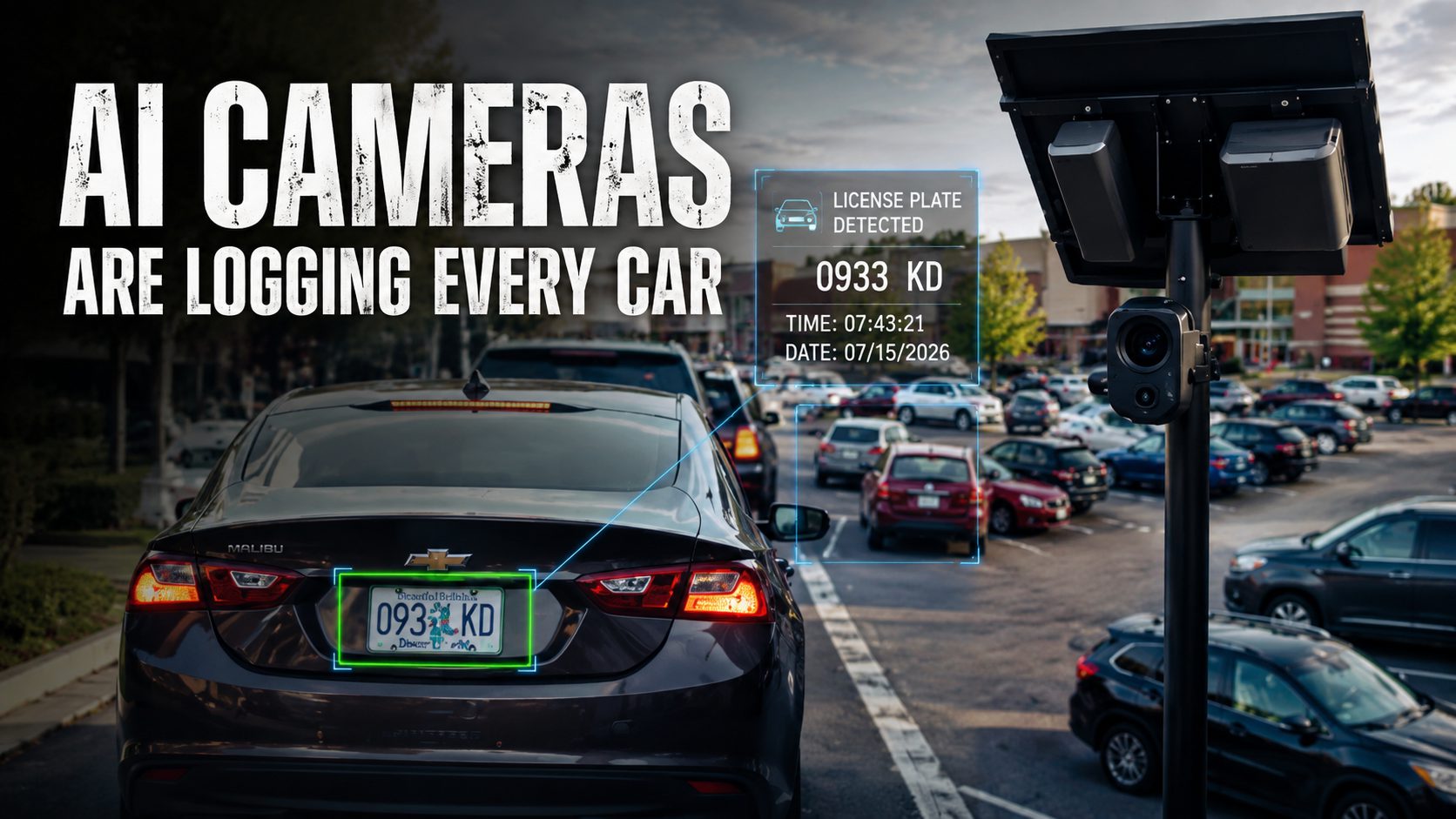
A month of driving holds a surprisingly detailed portrait of a person’s life — clinic visits, school pickups, church services, political fundraisers. Flock Safety’s automatic license plate reader network photographs every vehicle at each pass, tagging make, model, color, and even bumper stickers, all timestamped and GPS-pinned. That data sits in a searchable cloud database. No warrant. No notification. No opt-out.
The network spans roughly 90,000 cameras across more than 5,000 U.S. cities, according to reporting by The Nation. The company insists it tracks vehicles, not people. According to the ACLU of Oregon, the distinction is meaningless: “The data captured by Flock’s cameras can reveal very private details about a person’s life, including what meetings a person attends, what doctors’ offices and religious institutions they visit, who a person associates with, and even where they sleep at night.”
The basics worth knowing:
- Default data retention: 30 days. Some agencies keep it 7–14 days; others stretch to 90.
- No warrant required for historical queries in most states.
- Any credentialed officer in a participating department can run a search.
- Over 7,000 agencies and organizations share access nationwide, according to the ACLU of Massachusetts.
- You cannot opt out if you drive on roads with Flock cameras.
The Gap Between What Police Say and What the Contracts Allow
Local departments promise tight controls, but Flock’s default agreements reportedly tell a different story.
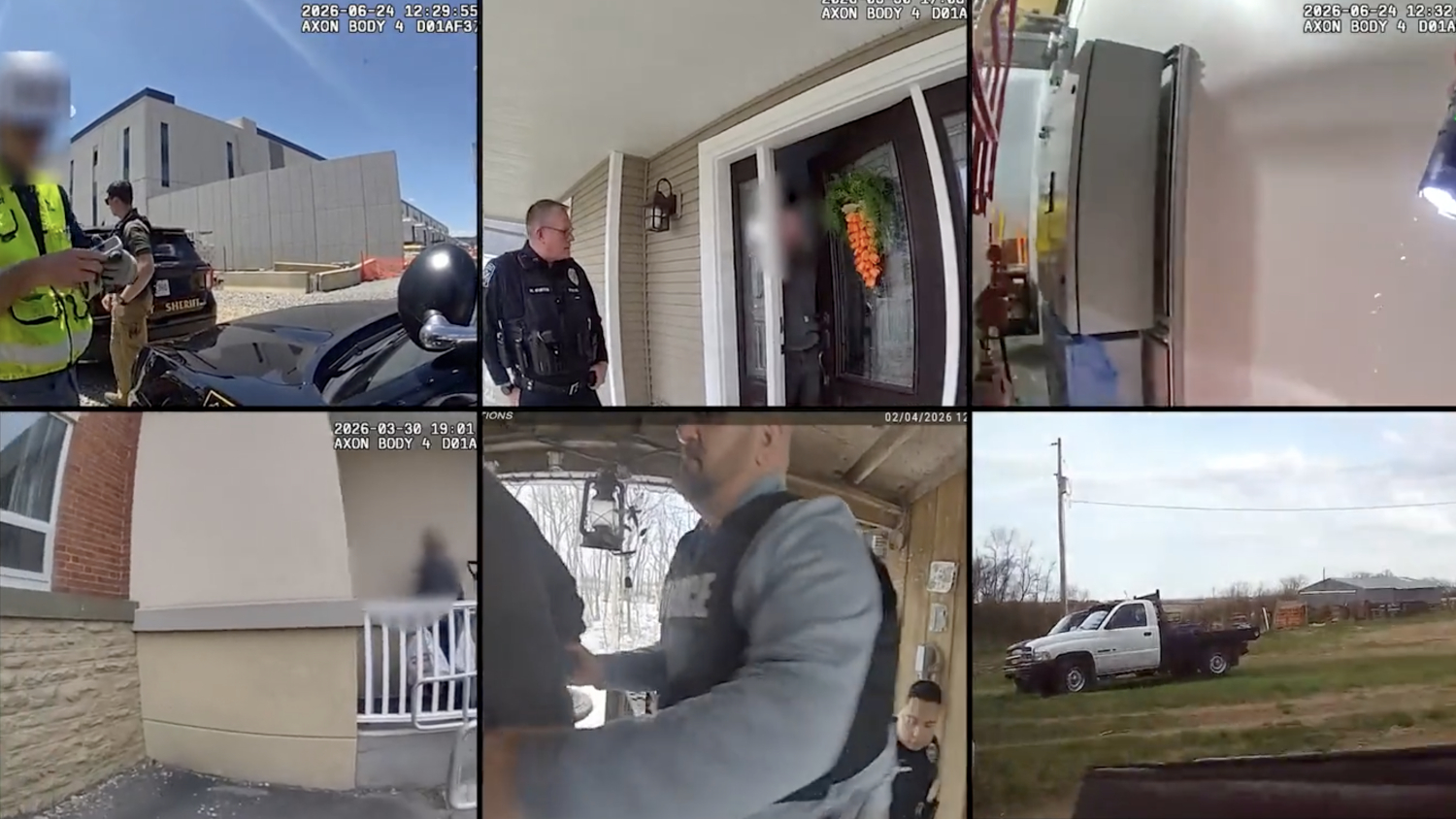
Some city FAQ pages read like terms-of-service comfort food: data stays local, retention is short, Flock never sells your information. The ACLU of Massachusetts found something less reassuring through open-records requests. Flock’s default contracts reportedly allow data sharing with federal and local agencies for “investigative purposes,” even when a local department tried to restrict access. According to The Nation, officers across thousands of departments can query the system “without a warrant, without telling anyone, for any reason an officer decides to type into a search box” — a pattern reminiscent of other cases of secretly tracking users with little recourse.
Washington State’s SB 6002 offers a glimpse of what meaningful pushback looks like. According to the Municipal Research and Services Center of Washington, the law mandates deletion after 21 days, bans cameras near places of worship and health-care facilities, requires two-year audit trails, and makes improperly obtained data inadmissible in court. It also imposes civil and criminal penalties for unauthorized access. Most states have nothing remotely comparable — which means the gap between reassuring city FAQs and actual contractual reach remains wide and largely unaddressed.
Where This Leaves You
The surveillance infrastructure already exists — the question is whether regulation catches up before the data becomes impossible to unwind.
No individual opt-out exists. The network is built, operational, and expanding. Think of it as the surveillance-industrial equivalent of a group chat you never agreed to join but can’t leave. The more pressing question is whether legislatures move before this data fuses with parking sensors, toll readers, and vehicle telematics into something that makes a 30-day driving history look modest by comparison. A few states are starting to act. Most are not. In the meantime, reviewing what home security systems experts recommend can offer useful perspective on how surveillance technology intersects with everyday privacy decisions.