A room full of neighbors showed up to a public meeting and stopped a 230,000-square-foot AI data center from replacing a hotel near LAX. That sentence sounds like a feel-good civics lesson, but it’s actually the sharpest signal yet about where AI infrastructure expansion hits a wall: the people who’d have to live next to it.
The Project Nobody Asked For
A developer wanted to swap a hotel for a five-story compute facility, and residents had questions — loud ones.
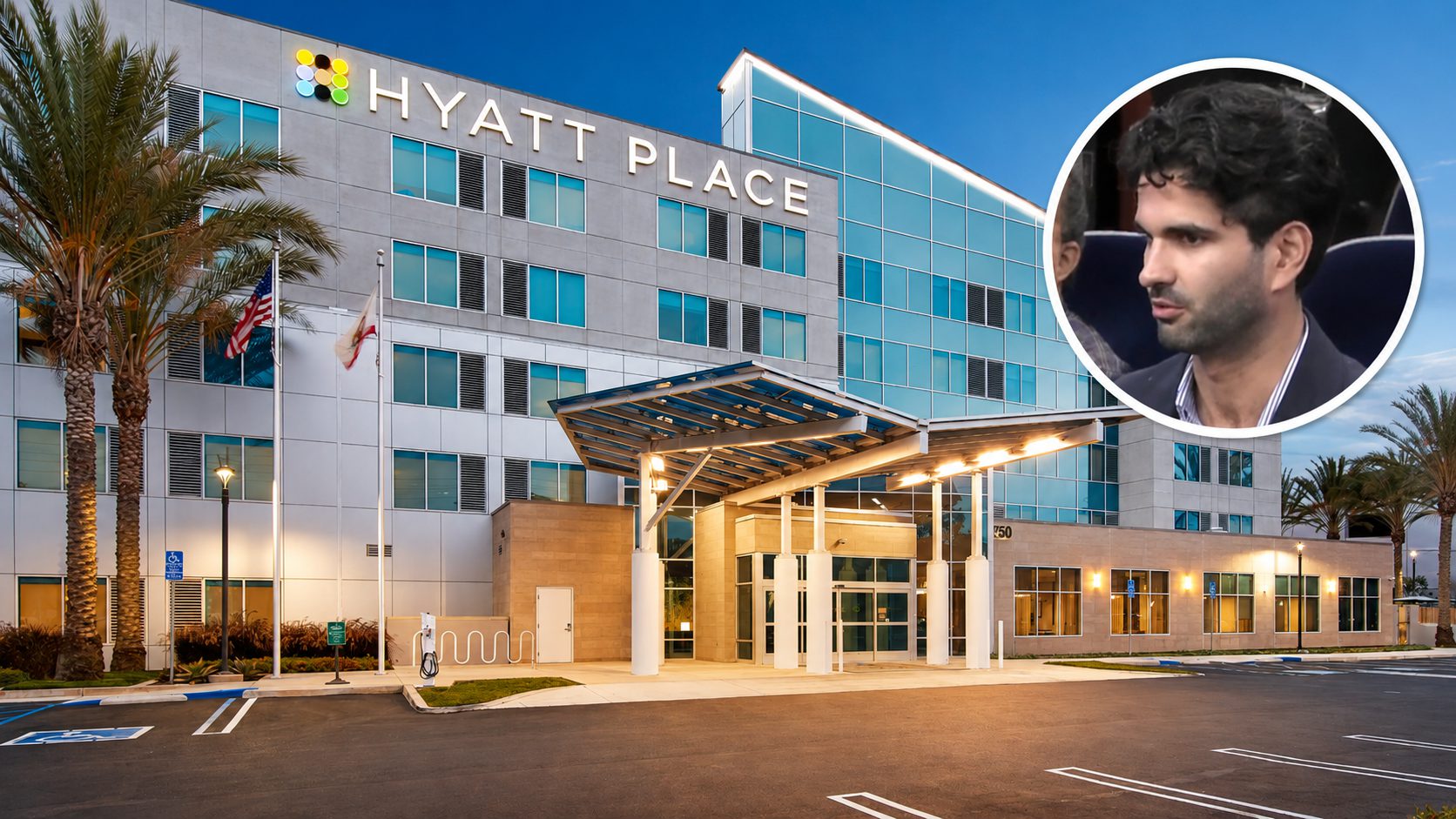
Where a Hyatt Place hotel currently sits at 750 N. Nash Street, a developer proposed building a five-story, 230,000-square-foot data center that would have gone before the El Segundo Planning Commission for approval. The contrast is almost comical — trading a place where business travelers sleep off jet lag for a building full of hardware generating heat like a small power plant. For nearby residents, the comedy ended fast.
Their objections during public comment hit the same notes now echoing across Southern California:
- Constant noise from industrial cooling systems
- Massive energy demand straining an already pressured grid
- Water consumption for cooling in a drought-prone region
- Broader environmental impacts on a dense area near LAX
- Scale completely out of character with the surrounding neighborhood
The developer withdrew the application after the public hearing rather than force a vote. According to Spectrum News1 SoCal, the project was pulled following hours of public comment at the community meeting.
One sentence tells you everything: the project died before it reached a ballot.
This wasn’t an isolated outcome. Reporting describes the withdrawal as part of a growing wave of pushback against data center proposals across Southern California, with multiple communities organizing against similar projects on environmental and quality-of-life grounds.
What This Tells You About Where AI Actually Lives
The cloud isn’t weightless — it needs land, water, and power, and someone’s neighborhood is always next door.
You hear “AI” and think software, algorithms, something floating in the ether like a Spotify playlist. But AI runs on physical infrastructure the size of a city block, consuming resources like a small town. It’s the fine-print problem made physical — a sleek digital promise with a very loud, very thirsty footprint hiding just behind the permit application.
Developers see underused hotel parcels as legitimate conversion opportunities. Residents see industrial cooling fans, around-the-clock noise, and water consumption subsidizing someone else’s compute capacity. Both perspectives carry real weight. Neither side is bluffing.
What happens next is predictable: longer approval timelines, stricter environmental reviews, and projects quietly redesigned or relocated to less organized zip codes. If you’re building the AI future, you now answer to your neighbors first. That’s not obstruction — that’s democracy with a utility bill attached.