So NASA’s administrator reportedly says life might exist “everywhere” — and suddenly everyone’s refreshing their news feed like it’s a Marvel drop. Before you spiral, here’s the part that matters: NASA’s own documents are significantly calmer than the headlines. The agency has a real, active UAP research program. It has published findings. What it has not done is confirm alien contact, announce a disclosure event, or verify that any captured imagery shows extraterrestrial craft. That gap between the buzz and the record is exactly where you need to pay attention.
Big Claims, Careful Language
Jared Isaacman reportedly referenced mysterious imagery, but the official record stops well short of alien confirmation.
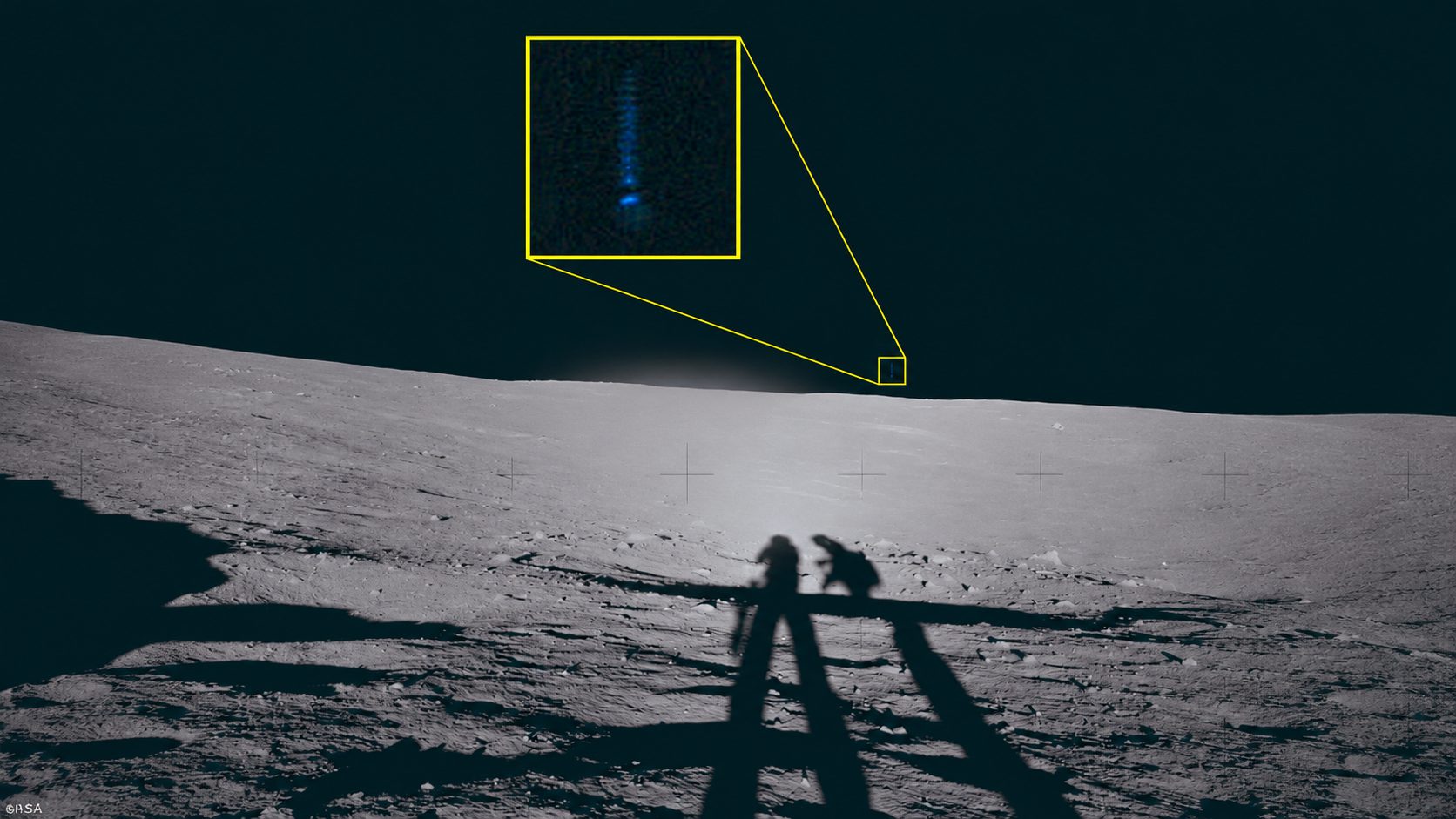
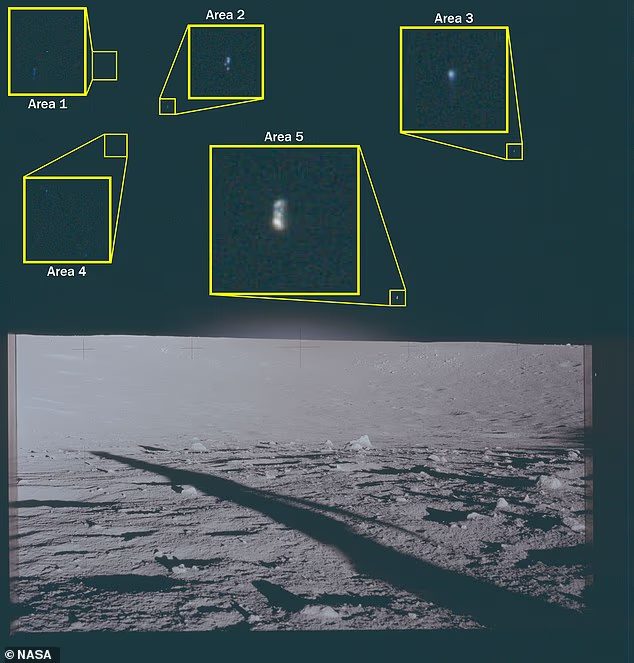
Multiple outlets report that NASA Administrator Jared Isaacman suggested there’s a “chance” life could exist “everywhere” and acknowledged the agency has captured imagery of objects it cannot identify. That sounds like the opening scene of a Christopher Nolan film. The reality is quieter.
NASA commissioned a UAP study team in 2022 — sixteen experts assembled specifically to examine unidentified anomalous phenomena. The final report dropped September 14, 2023. Its recommendations focused on improving data collection and scientific methodology, not announcing first contact. The report was explicit: extraterrestrial life must be the hypothesis of last resort, and the team found no evidence that reported UAP observations are extraterrestrial in origin.
The term UAP (unidentified anomalous phenomena) replaced “UFO” specifically to strip away the little-green-men baggage. A UAP is an observation that can’t yet be identified as aircraft or known natural phenomena. Could be alien. Could be a weather balloon catching light at a weird angle. The specific claim about captured imagery remains unverified by official NASA sources, so treat it accordingly — “reportedly” is doing real work here.
Here’s what the available record actually confirms:
- NASA’s UAP study team was commissioned in 2022; its final report published September 14, 2023
- The report recommended better future data collection, not alien verification
- UAP records tied to unresolved cases are being released in tranches — “unresolved” being the operative word
- NASA has made no definitive announcement of extraterrestrial life
The Distance Between “Unexplained” and “Alien”
Decades of X-Files conditioning have trained the public to hear “confirmed” when scientists are still saying “interesting.”
The gap between what UAP means on paper and what “UFO” triggers in your brain is enormous. One is a bureaucratic classification. The other carries fifty years of Roswell mythology, grainy footage, and Reddit rabbit holes that go deeper than anyone’s calendar allows.
Mars research does offer a genuinely significant data point worth watching. Curiosity has detected organic compounds on the Martian surface, and NASA’s administrator has suggested Mars samples could eventually provide strong evidence of microbial life — framed, importantly, as probability-based speculation rather than confirmed discovery. “Largest organic compounds detected” and “proof of life” are still separated by a canyon of peer review, sample analysis, and replication. NASA itself has been explicit on that distinction.
Isaacman’s comments read as the remarks of a scientifically curious administrator speaking in probabilities, not a formal disclosure event.
The next wave of UAP records or an eventual Mars sample return mission could rewrite everything. Until then, “unexplained” and “alien” remain very different words — no matter how badly the headline wants them to be synonyms.