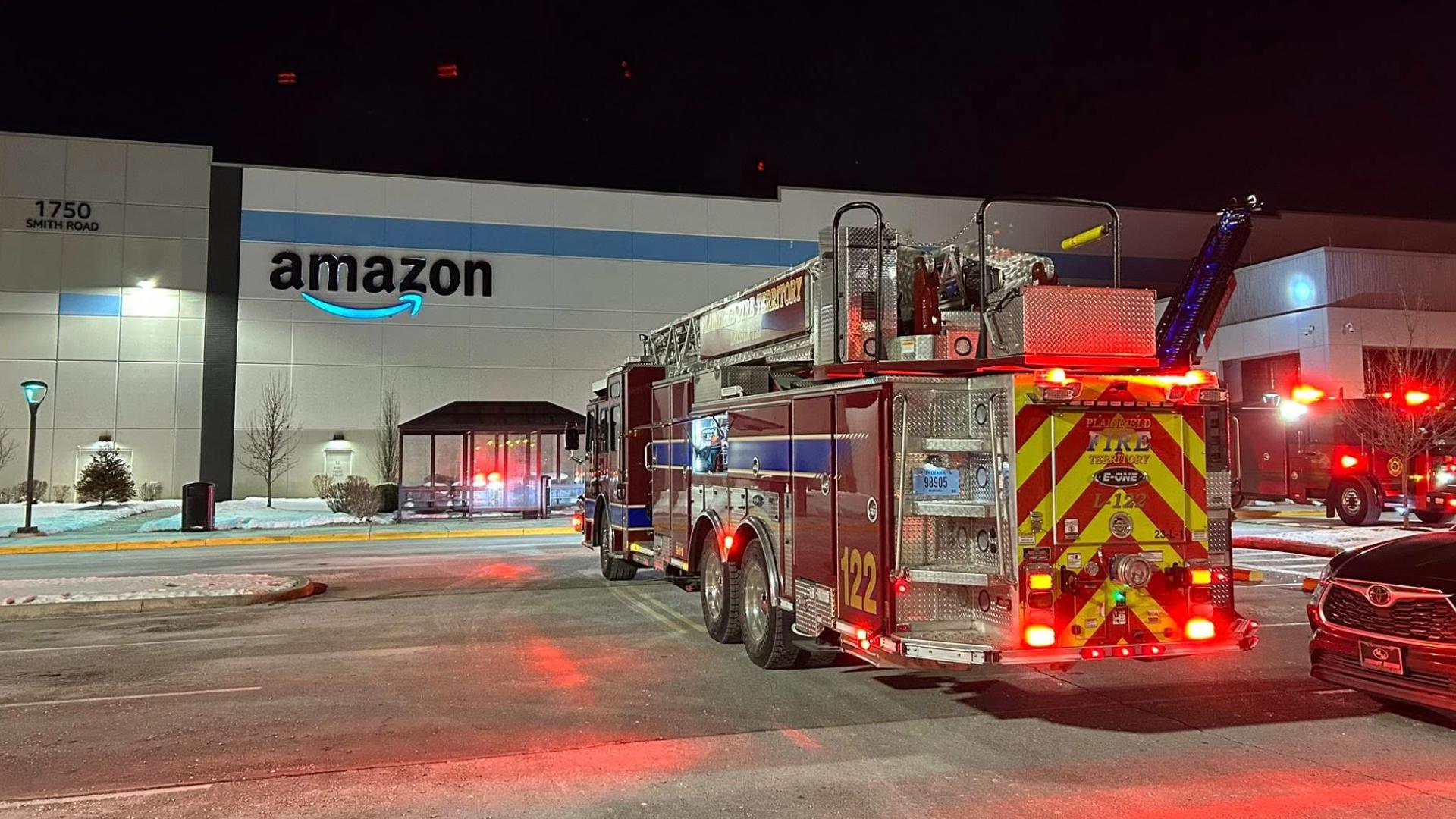
Firefighters in Jerome Township, Ohio roll up to an Amazon data center with lights flashing and full gear ready. Then they wait. Facility security can hold crews at the gate for up to an hour while Amazon grants authorization to enter, according to Daily Dispatch reporting. Whatever’s burning keeps burning. Two Amazon data centers under construction in this small township have generated 84 emergency calls since 2021 — roughly two per month, often requiring lights-and-sirens response, according to Data Center Dynamics. This isn’t a statistical blip. It’s the invoice for America’s AI boom, and small-town fire departments are picking up the tab.
When “Critical Infrastructure” Means Someone Else’s Problem
A single Amazon data center fire burned for 30 hours, caused $50 million in damage — and the company pays zero property taxes on the site.
In April 2025, a two-alarm fire at the Industrial Parkway Amazon site occupied firefighters for approximately 30 hours and caused an estimated $50 million in damage, according to Data Center Dynamics. That exceeds the duration of most industrial fires handled by rural crews across an entire year — and it was a single incident at one address.
Amazon reportedly secured 100% property tax abatements for ten years on each Jerome Township site, according to Daily Dispatch. The township still funds every emergency response. In nearby Hilliard, three data center campuses surround roughly 37,000 residents, and approximately $2 million in tax revenue has reportedly been diverted from emergency services since construction began around 2015. Jerome Township Fire Chief Douglas Stewart put it plainly: data center responses “That taxes our resources every time we go.”
Here’s what Ohio’s data center boom actually costs locally, by the numbers:
- 84 emergency calls to Jerome Township since 2021 — roughly two per month, often lights-and-sirens
- $50 million in damage and 30 hours of firefighter time in the April 2025 Amazon site fire alone
- ~$2 million in tax revenue reportedly diverted from emergency services in Hilliard since construction began around 2015
- 100% property tax abatement for ten years, per site, granted to Amazon in Jerome Township
- 10–35% electric supply price increases for many Ohio consumers in June 2025, partly driven by grid upgrades for data center demand
The Trade Secret That Could Get Someone Killed
Ohio law lets data center operators withhold power plant blueprints from the firefighters expected to protect them.
State laws fast-tracking private power projects have created a dangerous blind spot. The Norwich Township fire chief has raised alarms that companies classify on-site power plant designs as “trade secrets,” blocking first responders from accessing detailed facility plans, according to Fire Rescue 1. A single hyperscale facility can consume as much electricity as 100,000 homes. Dense electronics, massive battery banks, proprietary layouts — these rank among the most complex fires any crew can face. That complexity doesn’t clock out at 2 a.m.
US data centers consumed about 176 TWh of electricity in 2023 — roughly equal to Ohio’s entire annual usage — with that share projected to reach 9% of national consumption by 2030. Companies plan to invest up to $40 billion more in Ohio data centers by decade’s end, with AWS alone targeting approximately $7.8 billion in the state. Hilliard’s fire chief captured the tension directly: “We’re not a huge fan of the data centers, but Hilliard controls economic development, and data centers bring in business,” according to Daily Dispatch. Economic development officials argue these facilities diversify local tax bases and signal participation in the AI economy — but consumer advocates and fire chiefs counter that they deliver few permanent jobs while shifting safety burdens onto under-resourced local agencies.
Ohio’s utility commission has approved a Data Center Tariff requiring large facilities to paying too much for at least 85% of their contracted electricity capacity for up to 12 years. That’s a meaningful step on the power-cost side. The harder question remains unanswered: who funds the training, equipment, and staffing for the fire crews protecting the servers that run your internet?