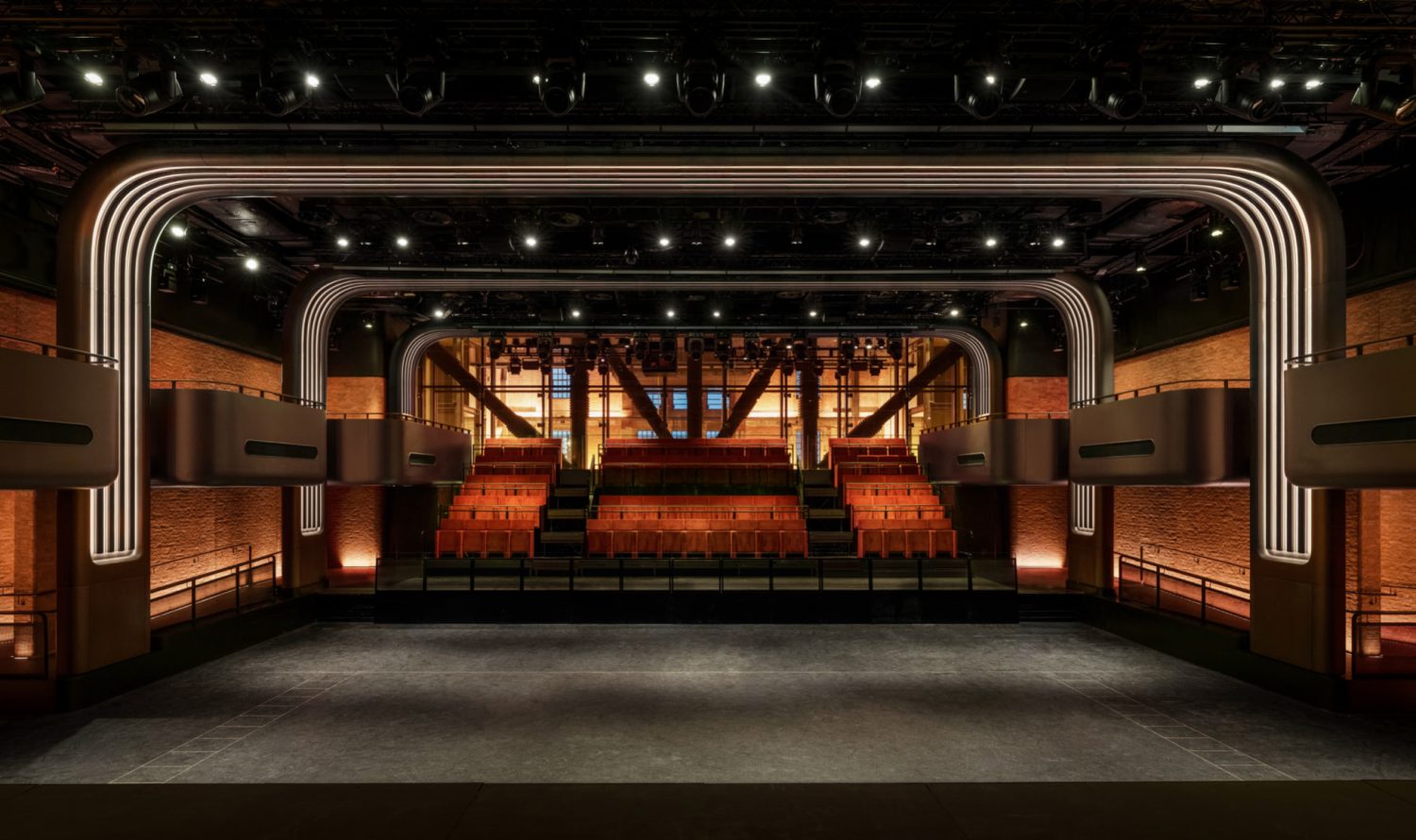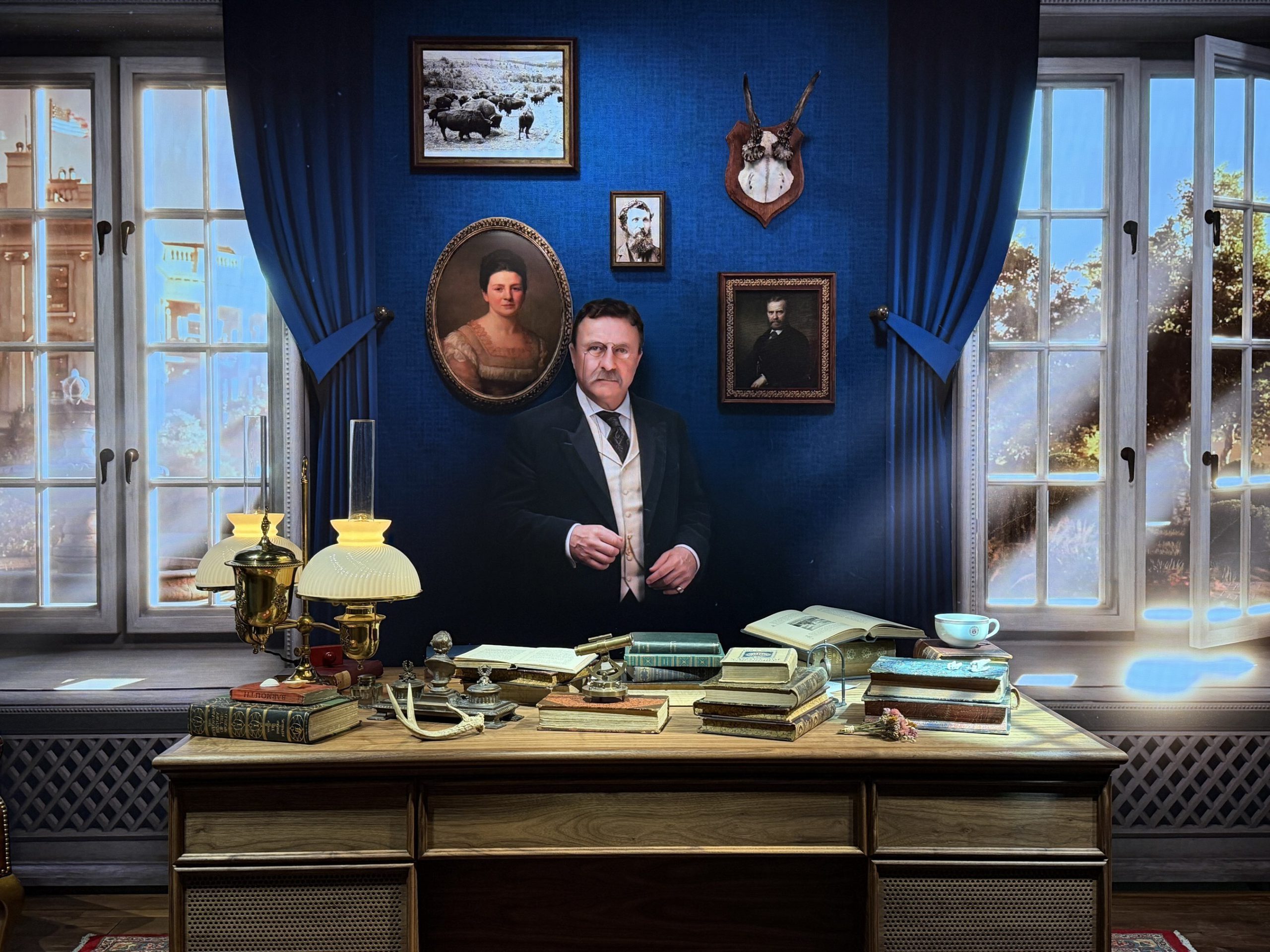
Horseback riders dressed as Rough Riders escorted a presidential motorcade through Medora, North Dakota. At the trail’s end, Donald Trump stepped into a replica of Theodore Roosevelt’s White House office and greeted a life-size hologram of the 26th president like a visiting head of state. The hologram greeted him back. This is what museums look like now — part archive, part Black Mirror episode — and the new Theodore Roosevelt Presidential Library, which opened to the public on July 4 as part of America250 celebrations, is betting its entire identity on the idea, according to USA Today.
How You Resurrect a President
The tech stack behind “Holo-Ted” turns hundreds of thousands of historical documents into a conversational partner.
The avatar runs on LemonSlice AI and Microsoft’s Azure Conversational AI platform, trained on hundreds of thousands of Roosevelt’s letters, speeches, and books, then rendered life-size via Proto hologram hardware. The system is voice-activated — Roosevelt calls on visitors for questions in real time — and answers draw from his actual writings rather than generic chatbot filler. The goal, as the project’s tech partners put it, was to “transform hundreds of thousands of historical documents into interactive experiences,” per Microsoft’s own reporting on the project.
Trump asked whether building the Panama Canal ranked among Roosevelt’s greatest achievements. The avatar acknowledged the canal, then pivoted to:
- trust-busting
- national parks
- food and drug safety
- the “square deal” for ordinary Americans
Roosevelt’s AI self, apparently, has more range than most stump speeches. The project’s broader stated aim: to “let Theodore Roosevelt speak again” in his own words, according to Yahoo Finance reporting.
When History Becomes a Stage Set
The technology is impressive — the political staging raises harder questions.
Trump has long cast himself as Roosevelt’s spiritual heir — big stick diplomacy, nationalism, canal rhetoric. Showing up to dedicate the library, receiving what amounted to an AI blessing from Teddy, then pivoting to warnings about China’s growing Panama Canal influence is staging so deliberate it plays like a Succession boardroom scene. Worth noting: the avatar can’t push back.
The AI Roosevelt greeted Trump with: “Do not lose courage, and remember that the nation comes first.”
The avatar, to its credit, didn’t endorse any particular canal policy.
Online reaction split cleanly. Tech enthusiasts praised the museum innovation; critics called it unsettling. The New Republic noted that some viewers briefly wondered if Trump was talking to a ghost before realizing it was an AI installation. That gap — between cool tech and creepy spectacle — is exactly where this story lives.
Museums now have the tools to let any historical figure “speak,” trained on real words but filtered through editorial choices made by institutions with their own priorities. The Roosevelt library chose a measured, historically grounded version of Teddy. The next institution might not be so careful.