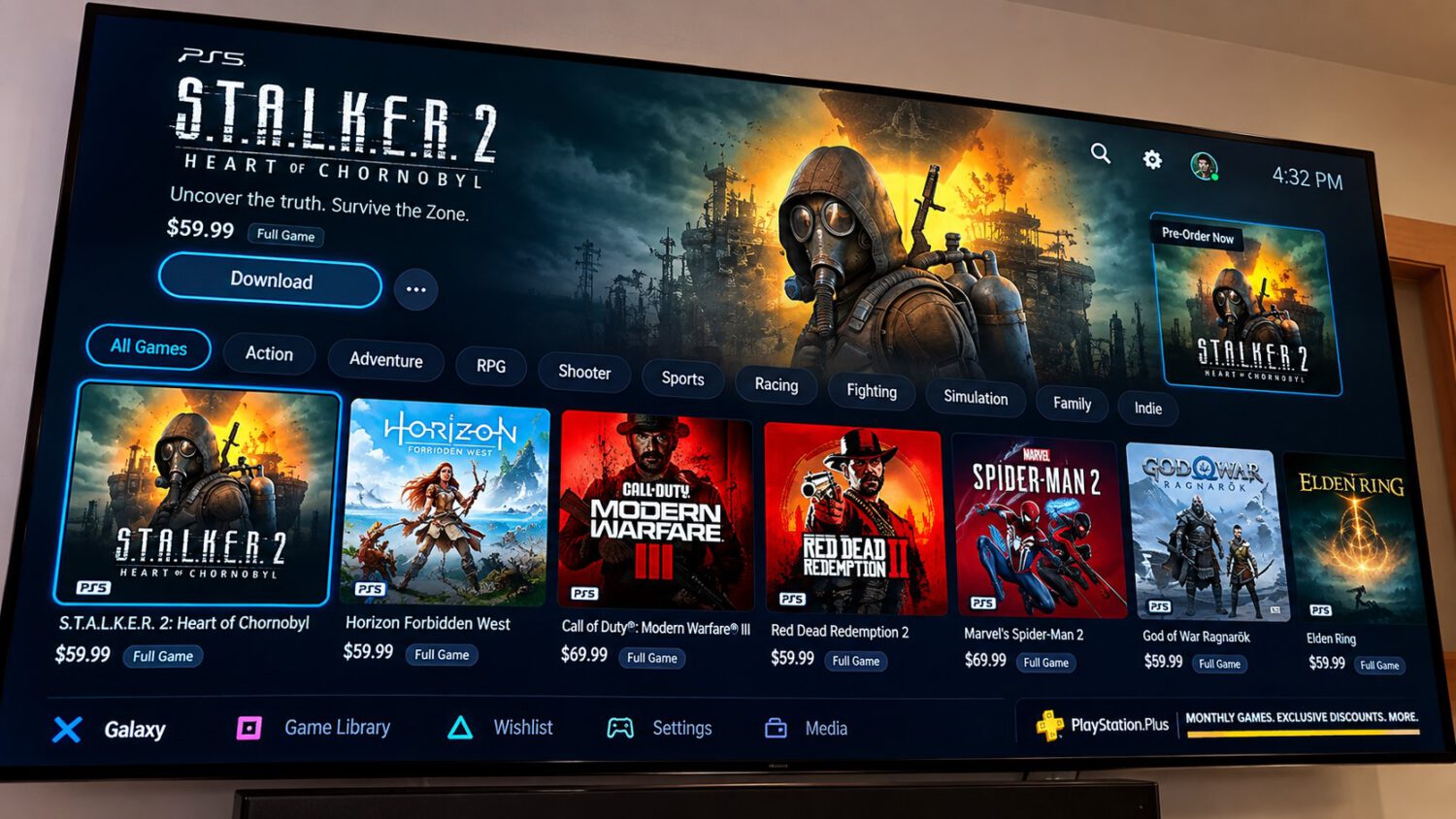
When the PS4 launched in 2013, only 13% of full game sales on Sony consoles were digital. By 2025, that number hit nearly 80%, according to Ampere Analysis. So when Sony Interactive Entertainment confirmed this week that physical disc production for new PlayStation titles ends in January 2028, it felt less like a bombshell and more like someone finally pulling the plug on a patient who stopped breathing years ago. For anyone who thought owning a disc meant owning a game, the fine print just got a lot harder to ignore.
The Math Behind the Eulogy
Sony frames the shift as following its own customers — but the consequences reach further than download speeds.
After January 2028, every new PlayStation game ships digitally. Sid Shuman, Sony’s Senior Director of Content Communications, called it a “natural direction,” noting that digital preference “significantly outpaces” physical discs. Since Sony manufactures all PlayStation discs, third-party publishers lose the option entirely — no workaround, no independent run. Retailers, meanwhile, pivot to selling codes, subscription cards, and accessories instead of boxed games.
The data tells the story plainly. Digital’s share of PlayStation full game sales climbed from roughly 13% at the PS4 launch in 2013 to approximately 80% by 2025, per Ampere Analysis. Existing disc-based games remain playable and supported after the cutoff, but no new discs will follow. Sony is also closing the PlayStation Store on PS3 and Vita in select countries, a move that amplifies preservation fears considerably — a live preview of what access looks like when a storefront goes dark.
“A watershed moment for the industry” — Piers Harding-Rolls, Ampere Analysis.
A Box With a Code Is Not a Game
GTA 6 ships without a disc, and the preservation crowd already sees the writing on the retail shelf.
The biggest console launch in years quietly proved the point before Sony even made its announcement. Rockstar’s GTA 6 ships its physical editions — standard and Ultimate — as code-in-a-box products. No disc inside. Some retailers reportedly refused to stock them. Take-Two CEO Strauss Zelnick insisted the game isn’t digital-only, saying “That’s not the plan.” For preservation advocates, though, a cardboard rectangle holding a download code is about as physical as a Spotify playlist.
- No disc to archive.
- No disc to resell.
- No disc that outlives the server.
The Does It Play? advocacy account accused Sony of “killing ownership” outright — not just collectibility, but legal preservation and discoverability across the entire medium. Those PS3 and Vita store closures happening simultaneously are not a coincidence; they’re a demonstration. When the storefront goes dark, licensed access goes with it. The January 2028 cutoff also fuels PS6 speculation, suggesting future hardware may arrive engineered entirely around a video games digital ecosystem from day one.
Your game library is quietly transforming from a bookshelf into something closer to a Netflix queue — content you access until someone decides otherwise. The real question was never whether discs were dying. It’s who controls what happens next, and whether the history of tech scandals offers any useful warnings about corporate control over access.