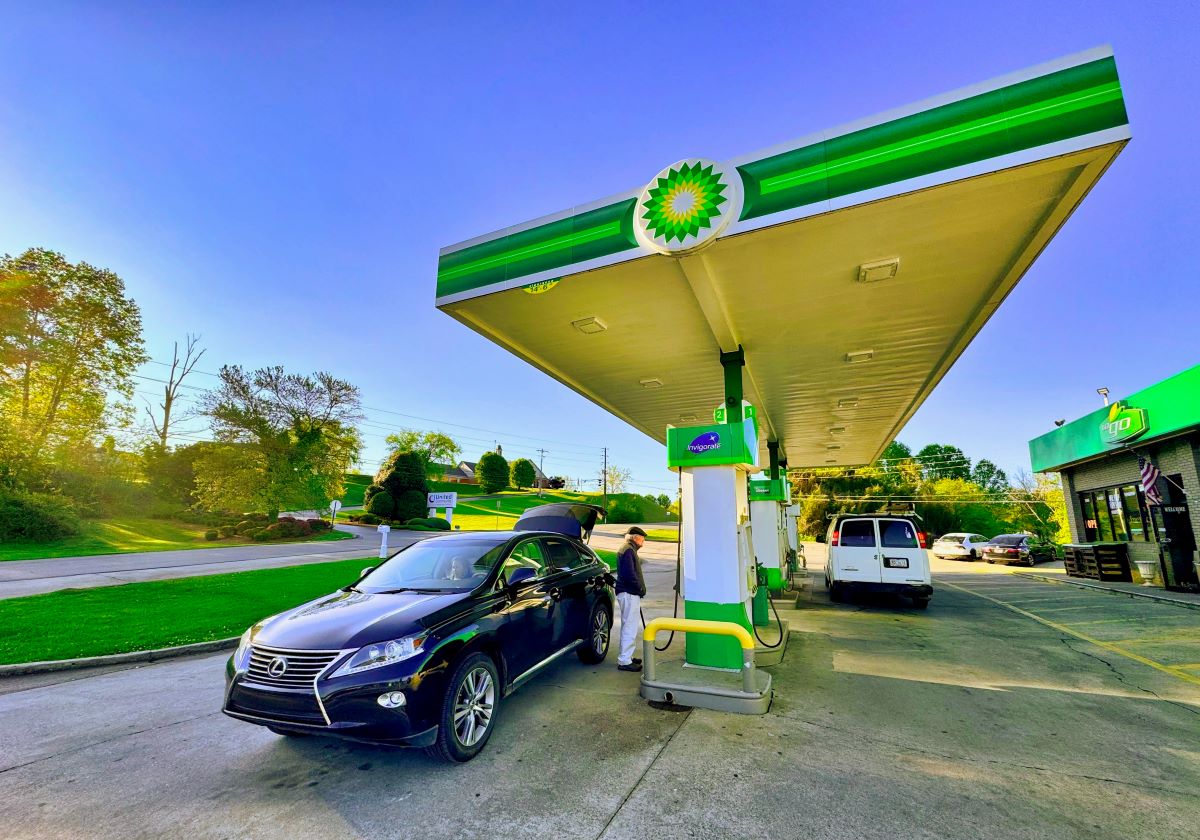
California drivers pulling up to the pump now have a new target for sticker shock: an algorithm. A Sacramento class-action lawsuit alleges that BP, 7-Eleven, Walmart, Albertsons, and other gas retailers used AI pricing software from a vendor called Kalibrate to coordinate artificially high fuel prices across the state. The timing is deliberate. California’s amended Cartwright Act took effect January 1, 2026, targeting exactly this kind of shared pricing tool — and plaintiffs filed with that weapon in hand.
The Algorithm at the Pump
Kalibrate markets AI-driven “optimal fuel prices” to competing gas stations — plaintiffs call that coordination, not optimization.
Traditional price-fixing required a back room and a handshake. The suit describes something closer to a group chat where every competitor sees the same AI-generated number. Kalibrate’s platform uses AI and analytics to recommend prices that “balance volume and margin,” according to the company’s own marketing materials. Whether the system ingested non-public competitor data — the legal tripwire that could determine the case’s outcome — remains unclear from available filings.
- Defendants include BP, 7-Eleven, Walmart, Albertsons, other retailers, and Kalibrate
- Filed as a proposed class action in Sacramento on behalf of California drivers
- California’s updated Cartwright Act now explicitly bans “common pricing algorithms” — any tool used by two or more firms that uses competitor data to influence prices
- The new law lowers the pleading standard below federal antitrust requirements, making it easier for plaintiffs to survive early dismissal
- Walmart stated it is “reviewing the complaint and will respond appropriately to the Court,” per reporting by David Dayen; other defendants have not offered substantive responses
California built the legal infrastructure for this fight. Plaintiffs don’t need to prove a smoke-filled-room agreement — just a plausible combination or conspiracy involving a shared algorithm. The state’s SB 295 legislative analysis puts it plainly: the bill “stops AI-driven collusion before it becomes the norm” by banning competitor-data pricing algorithms and empowering the Attorney General to enforce violations.
The RealPage Precedent — and Why Fuel Hits Harder
The DOJ already sued a rental-pricing AI for enabling landlords to align rents without meeting in person — gas stations touch an even bigger nerve.
Anyone who rented an apartment in the last five years may recognize this playbook. The DOJ sued RealPage, alleging its rental-pricing software let landlords align rents without ever sitting across a table. The agency’s position, as reported by Mintz, is unambiguous: price-fixing via algorithm is still price-fixing — even when firms occasionally deviate from the recommendations. Gas isn’t rent. Every California driver feels this fuel prices, every week, every fill-up.
Fuel is just the opening salvo. Insurance, travel, groceries, and housing all run on similar shared AI pricing logic. If this case survives a motion to dismiss under California’s new rules, every SaaS pricing vendor in America will need to audit what data their models train on — and fast. Consumers already concerned about paying too much across everyday expenses may find the reach of algorithmic pricing extends well beyond the gas pump.