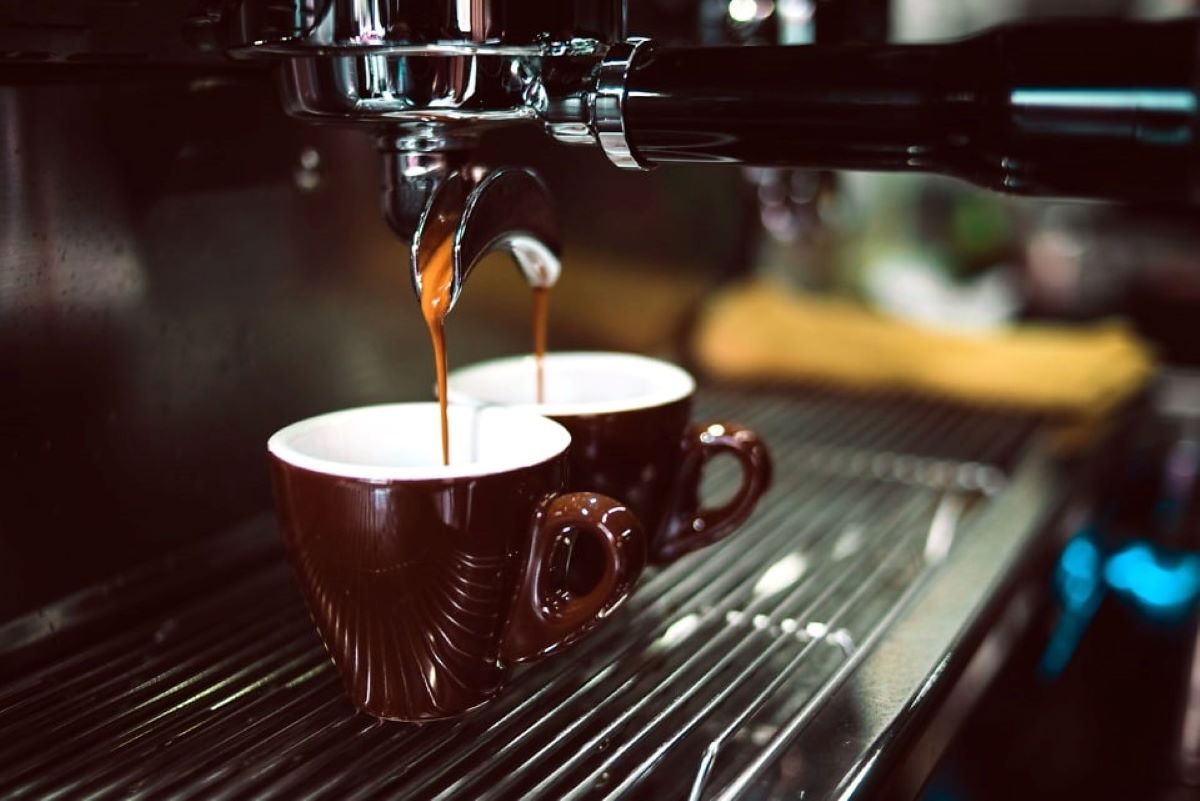
About a hundred regular coffee drinkers sat down for a blind tasting. Some got traditional espresso; others got shots brewed at room temperature using high-frequency sound waves. The result, published in the June 2026 Journal of Food Engineering: no significant difference in aroma, flavor, bitterness, or overall preference. The ultrasonic filter coffee was actually preferred by tasters. And the entire process used roughly 75% less energy than a conventional kitchen gadgets machine.
How Sound Replaces Heat
A metal transducer turns an ordinary espresso basket into a tiny, invisible demolition site.
Engineers at UNSW Sydney, led by Dr. Francisco Trujillo, press an ultrasonic transducer against a standard espresso filter basket filled with fine grounds and room-temperature water. The basket vibrates at ultrasonic frequency, sending sound waves through the slurry. Those waves trigger acoustic cavitation—microscopic bubbles forming and collapsing with enough localized force to fracture coffee particles. Think of it as a pressure washer operating at a scale you can’t see. The collapse jets rip oils, aromatics, and caffeine from the grounds without any heat. Brew time: roughly two and a half to three minutes.
“You get the same richness and concentration of a normal espresso in under three minutes,” Dr. Trujillo told UNSW Sydney, adding that energy savings reach approximately 75% versus conventional machines. Blind tasters found no reliable distinction between ultrasonic and traditional espresso, and ultrasonic filter coffee scored higher on balanced bitterness—findings the team validated with about 100 participants across both brew styles.
The Factory Floor Matters More Than Your Countertop
The near-term opportunity isn’t your kitchen—it’s industrial-scale ready-to-drink production.
If you’re picturing a sleek countertop gadget, pump the brakes. The researchers themselves note the biggest gains target industrial-scale and ready-to-drink coffee production. Room-temperature output feeds directly into bottling and canning lines—no cool-down step required. UNSW’s MARIA in Coffee platform holds the patents and is licensing the technology to beverage companies and equipment manufacturers, pursuing an IP-driven model rather than selling standalone hardware.
Not Quite Espresso—And That’s Fine
Without 9-bar pressure or crema, the “espresso” label invites fair scrutiny.
Specialty-coffee communities have already raised the obvious objection: no high-pressure extraction, no crema. Calling it espresso stretches the definition—the taxonomy fight will likely outlast the technology itself, much like every “is it really a burger?” debate the food world has staged since 2019. But for the canned cold brew you grabbed this morning, sensory results and carbon footprint matter more than Italian engineering mythology.
Consumer machines remain unsolved. The following are all open questions:
- Transducer durability
- Cost
- Pod compatibility
The proof of concept, though, is done—and the espresso boiler just got its first credible competition. It hums instead of hisses.