Mia Bashir knew about scams. She’d seen the stories, heard the warnings. None of that mattered when a caller posing as a Wake County deputy rattled off her full name, maiden name, and entire Social Security number — details almost certainly harvested from a data breach.
The voice said she’d missed jury duty. A warrant was out. Fake Department of Justice documents hit her phone mid-conversation, listing statutes she’d supposedly violated. The caller offered to “help” her post bond, according to ABC11 reporting, and never hung up — not once — while steering every move she made.
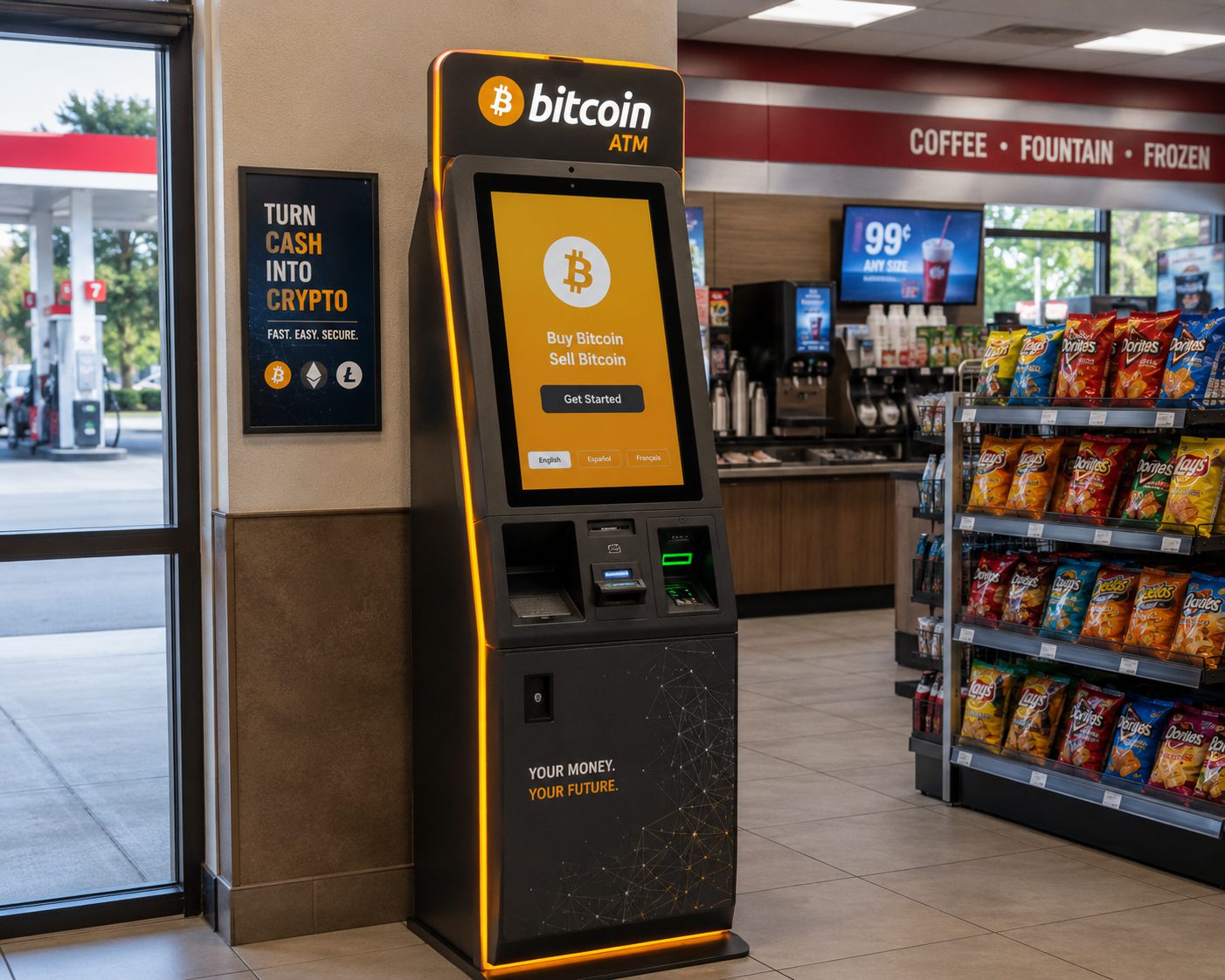
That constant connection is the trick. Like a grifter running a long con, the scammer’s job was to fill every second with urgency so Bashir never had a quiet moment to question what was happening. Under instruction, she withdrew thousands from her bank, drove to a gas station in Apex, and deposited the cash into what the caller described as a “federal machine.” It was a Bitcoin ATM. The money converted to crypto instantly and vanished into a scammer’s wallet.
Then came the second demand: the “federal portion” of the charges. She fed the machine again. The promised next-day court appearance — where she’d supposedly get everything back — never existed. Once crypto leaves a kiosk, recovery is nearly impossible. Bashir realized she’d been defrauded that same day and reported it to police.
A $389 Million Problem With No Easy Fix
FBI figures and a statewide North Carolina campaign reveal a crime wave far bigger than one Wake County phone call.
The FBI reports Americans lost nearly $389 million to crypto ATM scams in 2025, according to ABC11. FTC data shows those losses climbed nearly tenfold between 2020 and 2023, topping $65 million in just the first half of 2024. North Carolina Attorney General Jeff Jackson, who launched a statewide prevention campaign alongside Secretary of State Elaine Marshall, AARP, and United Way NC/211, put it plainly: “Scammers want you to panic and send money before you have time to think.” At least 30 states have passed crypto kiosk laws, and North Carolina legislators are weighing transaction limits and mandatory fraud warnings at kiosks.
Wake County Sheriff Willie Rowe confirmed that scammers use real deputies’ names and badge numbers paired with spoofed phone numbers. The red flags worth memorizing:
- Any caller demanding payment via crypto ATM, gift cards, or wire transfer is running a scam.
- Any caller insisting you stay on the phone while visiting your bank is reading from a script.
- No court or law enforcement agency in this country accepts Bitcoin as payment.
Bashir went public despite the embarrassment because silence protects the scammers, not the victims. If you get that call, hang up. Look up the court or sheriff’s number yourself — not a callback number the caller provides. The ten seconds it takes to verify could save you everything.