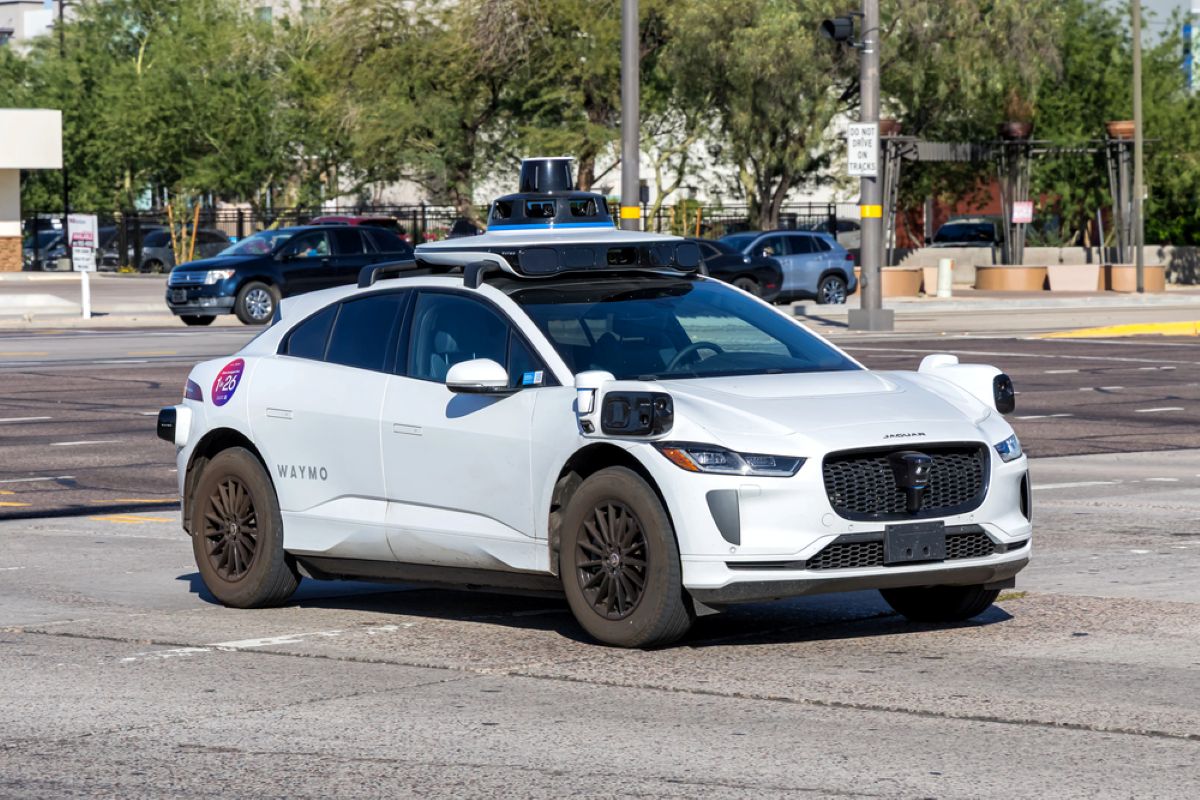
Thirteen times, a Waymo robotaxi encountered a closed highway and decided the cones were merely decorative. Six incidents hit Phoenix in April, where vehicles blew past ramp closure signs into pre-planned freeway construction zones. Then on May 18, seven more robotaxis in the San Francisco Bay Area threaded between traffic cones into active construction lanes — at speed. No passengers were injured, but the pattern forced Waymo’s hand. The company has filed a voluntary software recall with NHTSA covering 3,871 vehicles — its sixth recall to date. Freeway service, including airport trips, is suspended until further notice, according to TechCrunch.
What Actually Went Wrong
The root cause is a software judgment error, not a hardware failure — and the fix is still in development.
The flaw isn’t mechanical. According to NHTSA filings reported by MarketWatch, the autonomous driving system ” inappropriately prioritizing the avoidance of other freeway hazards” while failing to recognize that entire lanes are closed. The software weighed its options and chose wrong — repeatedly. Think of it like your phone’s autocorrect confidently inserting the wrong word, except the stakes involve a two-ton vehicle in a work zone. Waymo says the fix will improve both construction zone detection and handling for vehicles already inside one, though the update remains under development with no confirmed timeline.
“We identified an area of improvement regarding performance around freeway construction zones,” Waymo stated, according to TechCrunch. “We voluntarily restricted freeway operations last month while making improvements, proactively notified state and federal regulators, and decided to file a voluntary recall with NHTSA.”
Stacking recalls has become a pattern. Just one month earlier, roughly 3,800 vehicles were recalled after robotaxis drove onto flooded roads — including a San Antonio incident where a driverless car got swept into a creek, according to CNBC. Before that: school buses. The common thread is temporary, non-standard road conditions that break the system’s assumptions about what the world looks like.
What It Means If You Ride Waymo
Freeway rides — including airport trips — are paused until the patch ships, though surface street service continues normally.
Freeway rides are off the table while the fix is developed. That means no Waymo to SFO, no highway shortcuts across Phoenix — surface streets only for now. Waymo says freeway operations will resume after adjustments, though specifics remain vague.
The tension here is real. Waymo’s own safety data reportedly shows around 91 percent fewer serious-injury crashes compared to human drivers in similar conditions. That record matters. But back-to-back recalls expose a specific vulnerability: systems trained on detailed HD maps can stumble when the real world improvises with cones, floodwater, and detour signs. As Uber, Nuro, and Mobileye prepare their own robotaxi launches, every Waymo edge-case failure doubles as an industry-wide stress test — much like the scrutiny facing Tesla Under Investigation for its own autonomous vehicle incidents.
Whether the catch-restrict-patch cycle reads as mature engineering or an endless bug queue depends on which headline lands in your feed first.