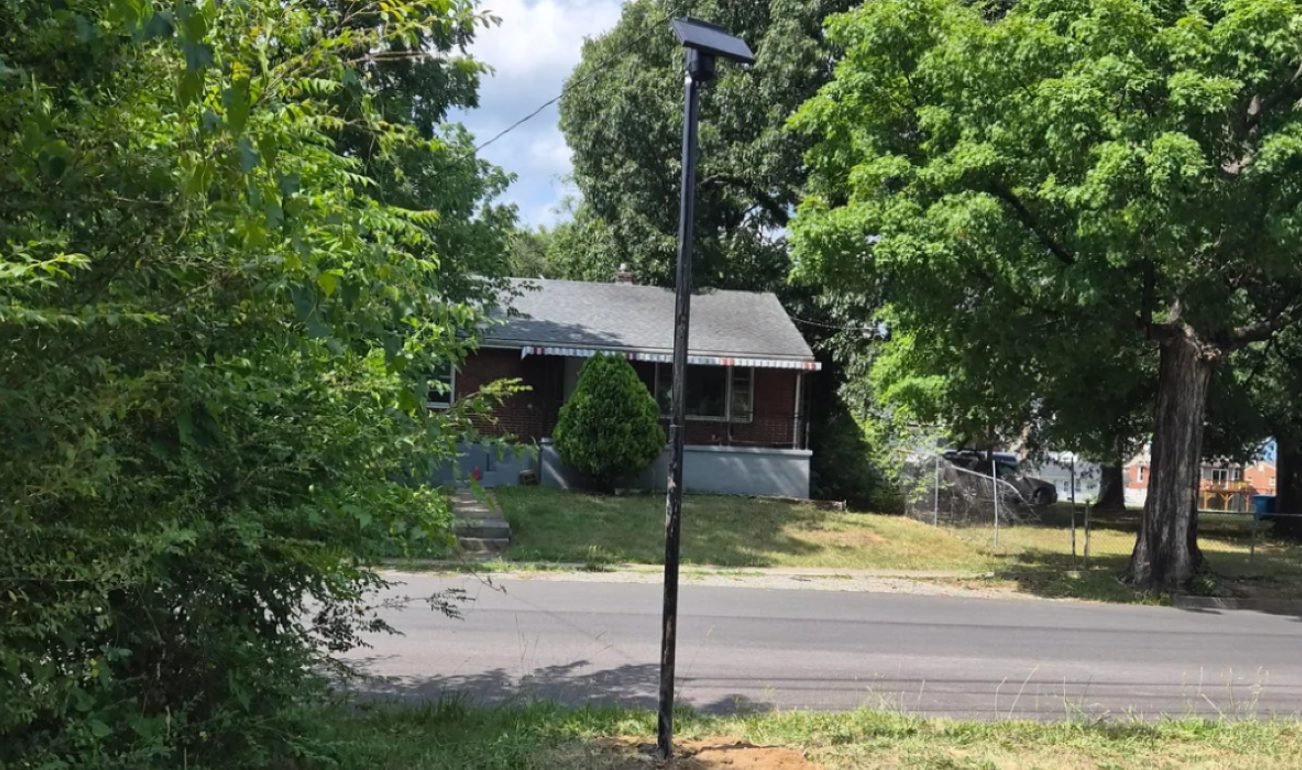
Someone planted a 12-foot surveillance pole in your neighborhood overnight. No notice, no permission, no explanation—just a concrete-anchored reminder that your city’s definition of “public safety” now includes continuous audio monitoring of residential streets. It was documented in this Reddit thread. Welcome to the age of Flock Safety’s Raven sensors, where gunshot detection meets neighborhood audio surveillance, and municipal convenience trumps resident consent.
The Microphones Are Always Listening
These aren’t the passive sensors your city probably described.
Flock’s Raven system uses what the Electronic Frontier Foundation calls “high powered microphones” parked above densely-populated city streets. These aren’t passive sensors waiting for loud bangs. They’re sophisticated audio analysis systems that continuously process ambient sound, using machine learning to identify specific events. Recent Flock marketing reveals the company’s expanding beyond gunshots to detect “human distress”—specifically screaming and other vocal sounds that might indicate trouble.
The hardware listening outside your home is capable of far more sophisticated audio surveillance than officials likely disclosed.
Right-of-Way Rules Trump Your Opinion
Legal reality is stark: public right-of-way means public decisions, not private consent.
Here’s the reality: if that pole sits in the public right-of-way—the strip between street and property line where sidewalks would go—your city can usually install it without asking. Most municipalities treat this area as public infrastructure space, even when homeowners maintain and landscape it.
The catch? Cities must still follow their own authorization processes. If your address wasn’t on the council-approved installation list, staff might be operating outside their mandate—giving you political leverage even without property rights.
Your Neighbors Think You Agreed to This
The optics problem is real. A surveillance pole in front of your home suggests complicity, regardless of legal technicalities. According to EFF analysis, enabling these microphones to listen for human voices “is likely to open up a whole new can of unforeseen legal, civil liberties, and even bodily safety consequences.” When Flock’s audio analysis expands further—and it will—residents face the social fallout of appearing to endorse neighborhood voice monitoring.
Fight Back With Public Records and Politics
Your property-line protest could force better notification standards citywide.
Challenge unauthorized installations through transparency demands:
- Request right-of-way maps showing exact boundaries
- Obtain all correspondence about site selection
- Demand explanations at city council meetings if your location wasn’t on approved permit lists
- Make the authorization gap a public accountability issue
- Consider alternative security systems for your own property
Cities deploying surveillance without proper community engagement face growing pushback. Sometimes the most effective resistance starts with one well-placed complaint about municipal overreach in residential spaces.