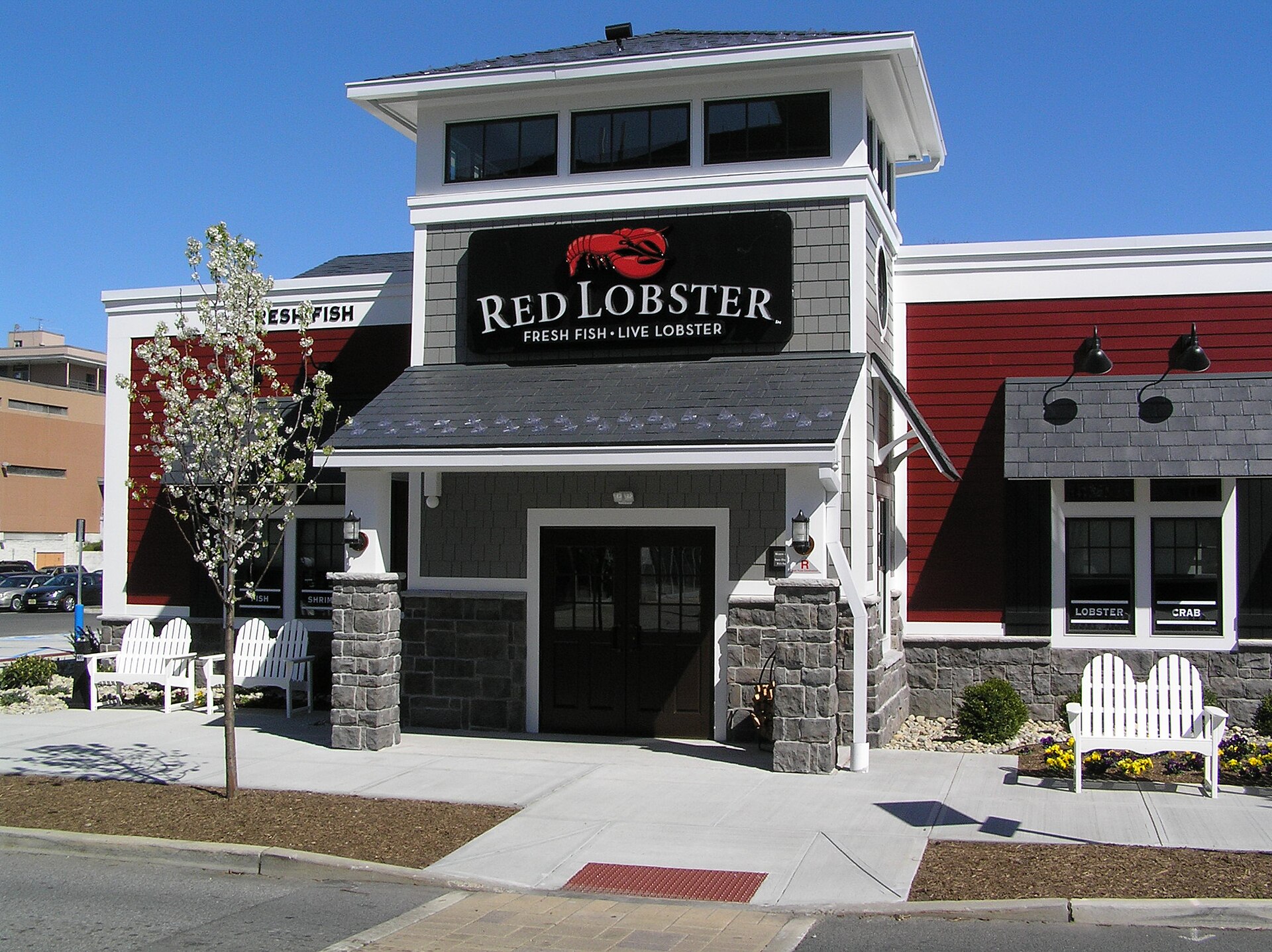
Bankruptcy couldn’t kill Red Lobster, but “Endless Shrimp” nearly did. Now the iconic seafood chain is betting its entire comeback on something even more unexpected: becoming “the most AI-forward restaurant company that exists.” It’s the kind of pivot that would make even Tesla jealous—a legacy brand attempting to out-tech the tech industry.
CEO Damola Adamolekun isn’t just talking about adding chatbots to the website. After emerging from Chapter 11 with roughly 544 locations and $60 million in fresh Fortress Investment Group funding, he’s positioning AI as the backbone of Red Lobster’s turnaround strategy. “AI is changing the game in a tremendous way,” Adamolekun declared during a fireside chat on The Black Money Tree Podcast. “You have to engage with it rather than ignore it.”
This isn’t corporate buzzword bingo. Adamolekun, who previously guided P.F. Chang’s to over $1 billion in annual revenue, is implementing AI across every department. The goal? Transform how Red Lobster forecasts sales, schedules employees, manages inventory, and generates executive reports.
Think about it this way: instead of manually compiling restaurant performance data, the COO arrives on-site with AI-generated decks that instantly highlight sales trends, labor efficiency, and potential problems. According to Adamolekun, when visiting a restaurant, leadership wants “AI pull[ing] all the relevant metrics of that restaurant, laid it out for me in a deck,” eliminating time-consuming manual reporting.
The applications get surprisingly specific:
- Sales forecasting algorithms learn from historical data to predict demand more accurately
- Employee scheduling systems optimize labor costs while maintaining service levels
- Corporate functions get the AI treatment—Adamolekun personally uses Claude AI for coding assistance and presentation creation, encouraging each department to develop their own use cases
Whether AI can solve Red Lobster’s deeper structural challenges—rising food costs, lease obligations, and shifting dining preferences—remains unclear. But Adamolekun’s aggressive tech adoption signals something larger: legacy restaurant brands refusing to surrender market share to digital-native competitors.
If a chain famous for cheese biscuits can become an AI showcase, your neighborhood restaurant might be next. For an industry built on personal service and comfort food traditions, Red Lobster’s transformation represents either visionary leadership or expensive desperation. You’ll know which one worked when you see whether those AI-optimized forecasts actually keep the lobster tanks full.