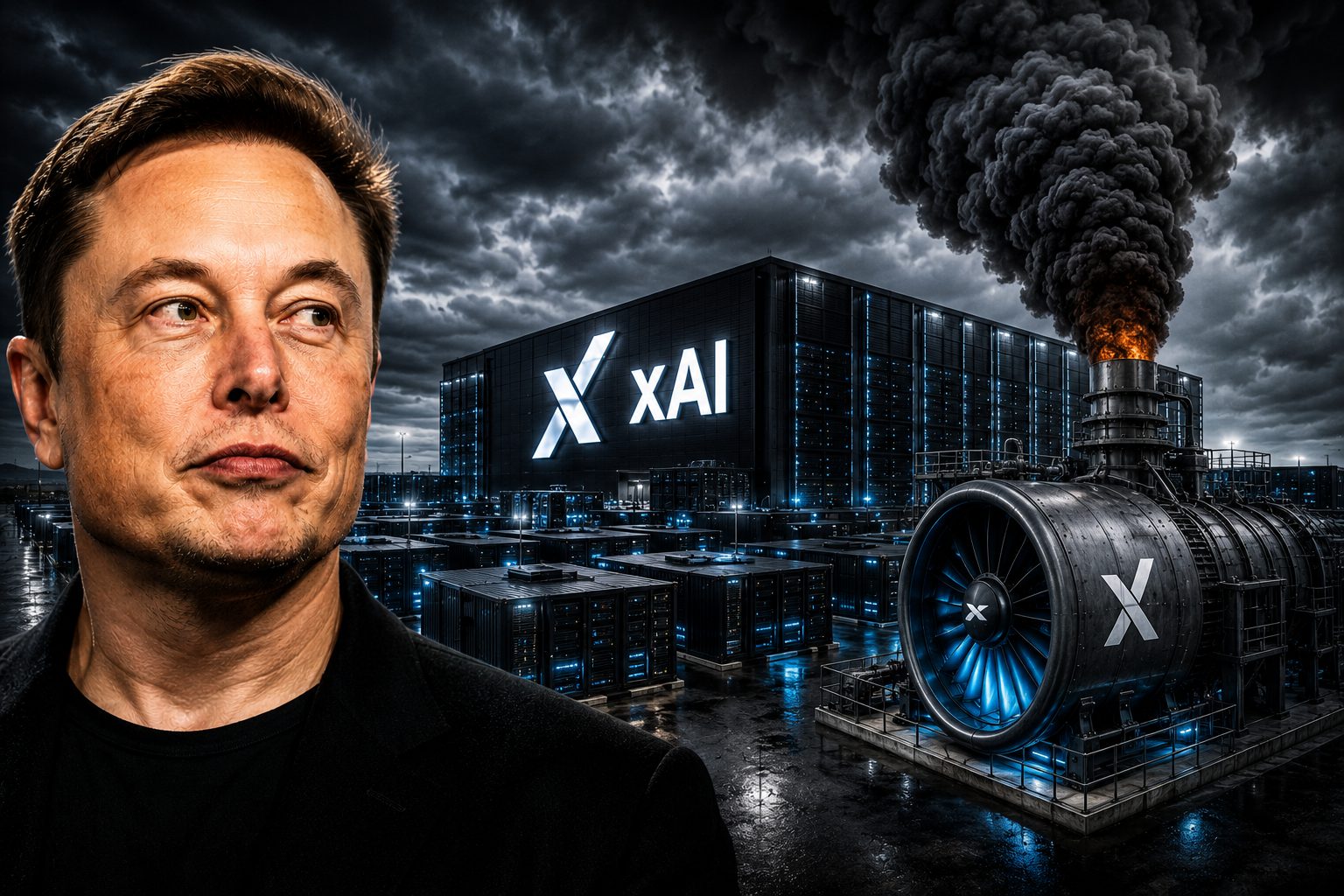
As SpaceX eyes a massive IPO, residents near xAI’s data centers face environmental concerns and broken promises about protection. The air quality concerns are mounting. Since xAI expanded its Memphis operations, residents in the historically Black Boxtown neighborhood have raised serious questions about environmental impacts alongside the company’s growing revenue. The timing feels especially pointed: as SpaceX prepares what could be a landmark IPO, the communities near Musk’s tech infrastructure are fighting for basic environmental protections.
The Environmental Concerns
Local groups and officials challenge xAI’s facility operations and permitting process.
Environmental advocacy groups aren’t holding back their criticism of xAI’s Memphis operations. Multiple organizations have raised concerns about the facility’s environmental impact on nearby communities. These aren’t abstract regulatory disputes—they represent real concerns about air quality and public health in areas that already face environmental challenges. State and local officials have voiced warnings about potential health impacts, while community organizers describe patterns of respiratory illness that they believe are connected to industrial operations in their neighborhoods.
The Money Machine Keeps Running
AI infrastructure generates massive revenue while communities question the environmental trade-offs.
The financial stakes are enormous. xAI’s Memphis facilities reportedly handle significant compute operations, serving major AI companies in a market worth billions annually. Meanwhile, SpaceX continues planning for what analysts describe as a potentially massive public offering—capital that could fuel even more infrastructure expansion. This represents a fundamental tension: enormous wealth creation in the tech sector while nearby communities shoulder environmental concerns without proportional benefits.
Broken Promises and Legal Challenges
Infrastructure commitments stall while residents pursue accountability through courts and public pressure.
Promised environmental mitigation measures have faced delays, leaving residents frustrated with what they see as corporate accountability gaps. Local officials and community members now pursue solutions through public hearings and legal channels, demanding the environmental oversight they believe should have preceded major industrial development. Each postponed environmental protection measure represents continued uncertainty for families who live in the shadow of expanding AI infrastructure.
You’re witnessing a pattern that could shape AI’s expansion: massive wealth concentration in tech companies while environmental concerns get shifted to local communities. As artificial intelligence demands ever more energy and infrastructure, the Memphis situation offers a preview of whether corporate growth or community welfare will take priority in future development decisions.