Here’s the thing about EV safety claims: the insurance data looks fantastic until you dig into what it’s actually measuring. Sure, Highway Loss Data Institute studies show EVs have roughly 40% lower injury claims than comparable gas cars. But that statistic carries more baggage than a Tesla on a road trip.
The Demographic Mirage
EV safety statistics may reflect safer drivers more than safer cars.
Those impressive safety numbers reflect more than just better engineering. EV buyers today skew higher income and more educated—the same demographic that typically drives newer cars, maintains them better, and takes fewer risks behind the wheel. Insurance companies try to correct for this by comparing EV models directly with their gas counterparts on the same platform. Even then, driver behavior still accounts for roughly 90% of all crashes, according to NHTSA data. You’re essentially comparing the safety records of two different populations, not just two different powertrains.
When Physics Gets Complicated
Heavy batteries create safety trade-offs that traditional crash tests don’t capture.
EVs deliver genuine crash advantages—that low center of gravity and reinforced battery enclosure protect occupants well. But those same heavy battery packs create a physics problem for everyone else on the road. In multi-vehicle crashes, mass wins. Always. Your heavier EV might keep you safer, but it’s potentially worse news for whoever’s in the lighter vehicle you just hit. We’re creating a vehicular arms race where everyone needs more mass to stay competitive, like nuclear deterrence, but with soccer moms.
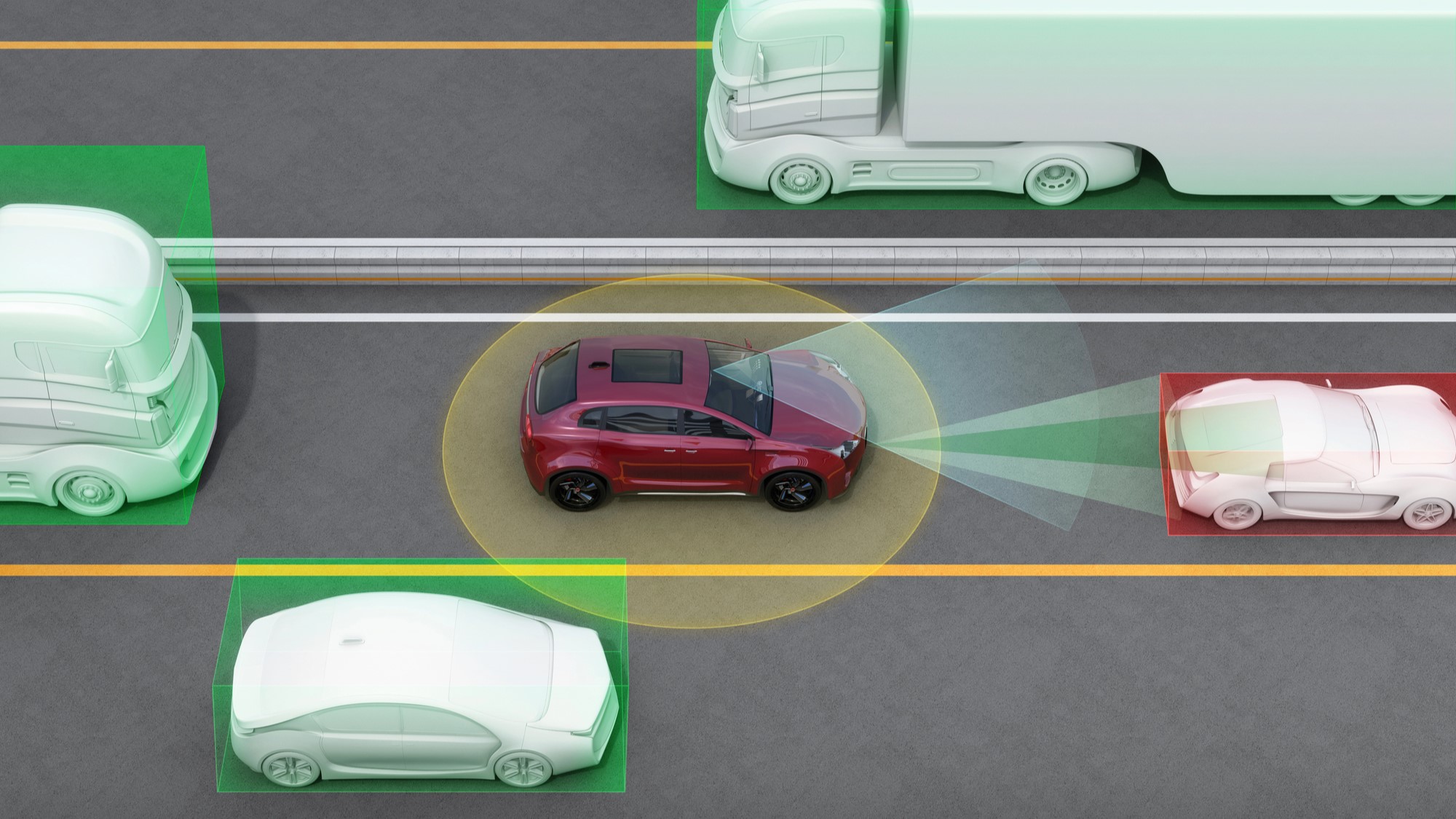
The automation factor compounds this. EVs typically ship with more driver assistance features, marketed as safety upgrades. Yet automation bias—our tendency to mentally check out when machines take over—has contributed to crashes where drivers over-relied on systems still requiring human attention. Tesla’s “Autopilot” branding doesn’t help; it’s like calling a dishwasher a “kitchen robot.”
Fire Math vs. Fire Reality
EVs burn less frequently but more catastrophically when they do ignite.
Yes, EVs catch fire about 60 times less frequently than gas cars—roughly 25 incidents per 100,000 EVs versus 1,530 per 100,000 gas vehicles. But when lithium batteries do ignite, thermal runaway makes them exponentially harder to extinguish. Fire departments report needing massive water volumes and extended suppression times, with batteries that can reignite days later.
Traditional safety ratings excel at measuring crashworthiness but struggle with these new risk categories: software vulnerabilities, automation-dependent human factors, and weight-driven externalities. Your EV might ace every crash test while introducing risks that don’t show up until years later.
The safest car remains the one with an alert, engaged driver—regardless of what’s under the hood.