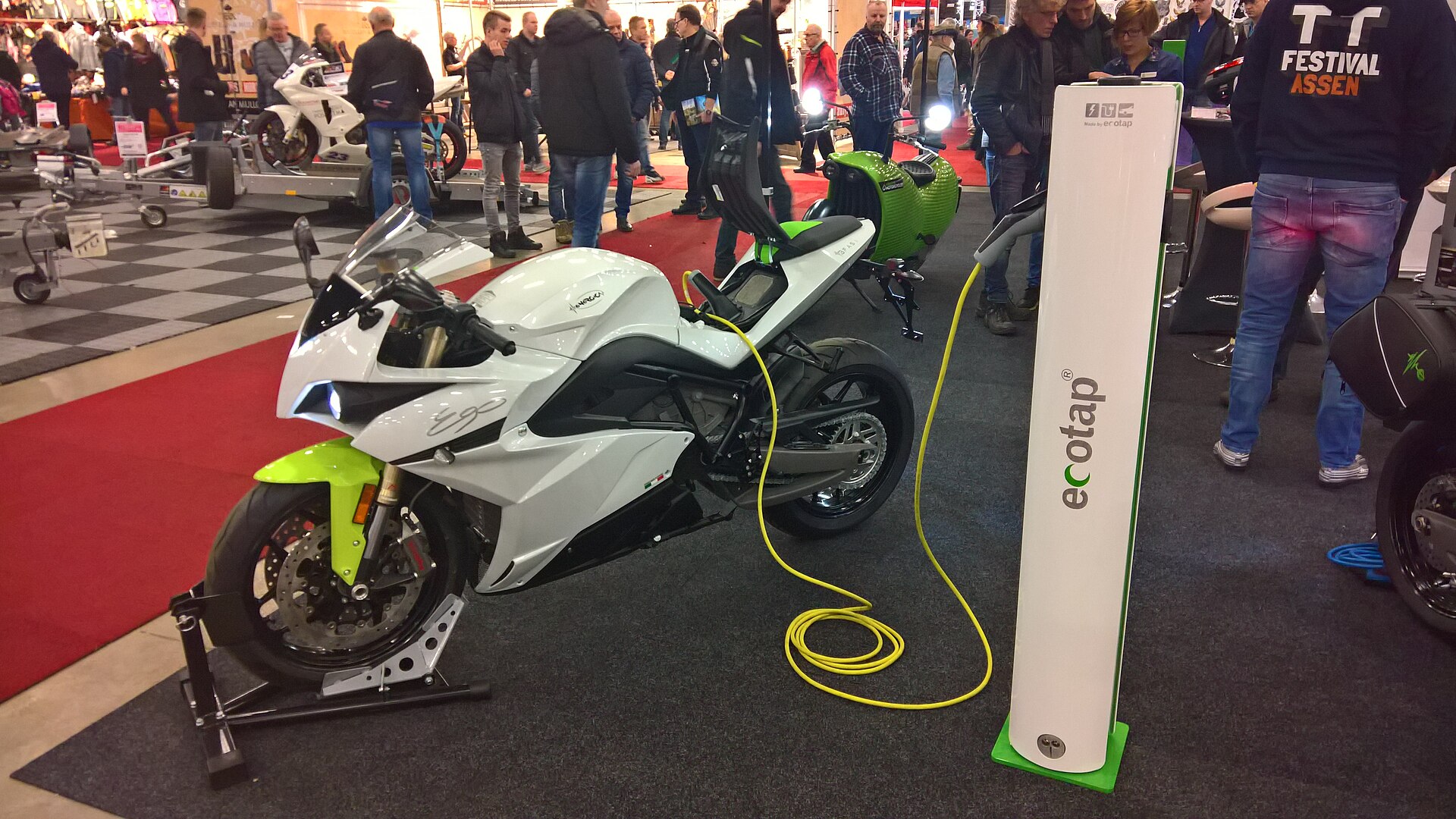
The world’s largest electrified vehicle category by unit volume isn’t cars—it’s two-wheelers you’ve probably never heard of. While Western media obsesses over LiveWire’s latest premium cruiser or Zero’s track-ready superbike, the real electric motorcycle revolution unfolds in China’s delivery lanes and India’s congested streets. This isn’t about weekend warriors dropping $20,000 on electric Harleys. It’s about millions of commuters choosing affordable electric scooters over gas alternatives every single day.
Where Real EV Two-Wheeler Demand Lives
China dominates global volumes while premium Western brands fight for scraps.
China remains the undisputed heavyweight, with India emerging as the major second center of electric two-wheeler adoption. Independent market coverage consistently shows that global demand concentrates in scooters, mopeds, and commuter bikes—not the premium motorcycles that dominate U.S. headlines. According to market researchers, sales “soar in low cost segments” while they “crater in the premium sector.”
That gap isn’t narrowing; it’s widening. Your average Beijing food delivery driver has been riding electric for years while American enthusiasts still debate whether Zero’s latest model justifies its Tesla-sized price tag.
The Premium Problem Western Brands Won’t Admit
High prices and range anxiety keep electric motorcycles in specialty territory.
The obstacles remain brutally simple:
- High prices
- Range sensitivity
- Limited model variety
- Product fit better suited for urban commuting than long-distance riding
Manufacturers have responded predictably—with discounting, older-model promotions, and pivots toward more affordable or off-road-oriented products. It’s like watching Netflix slowly admit that not everyone wants to pay premium prices for niche content. For U.S. riders, the near-term story stays locked in specialty adoption, not mass-market replacement of gasoline motorcycles.
What This Split Really Means
OEM strategy will follow the volume, not the headlines.
Smart manufacturers are reading the room. OEM strategy is already tilting toward lower-cost commuter products, urban mobility offerings, and region-specific models rather than broad-line premium street motorcycles. The next growth phase won’t come from another $25,000 electric touring bike—it’ll come from affordability, charging access, and designs that actually match how people use two-wheelers in their daily lives. The premium segment can boast impressive CAGR numbers from its tiny base, but real business gets built on real volume.