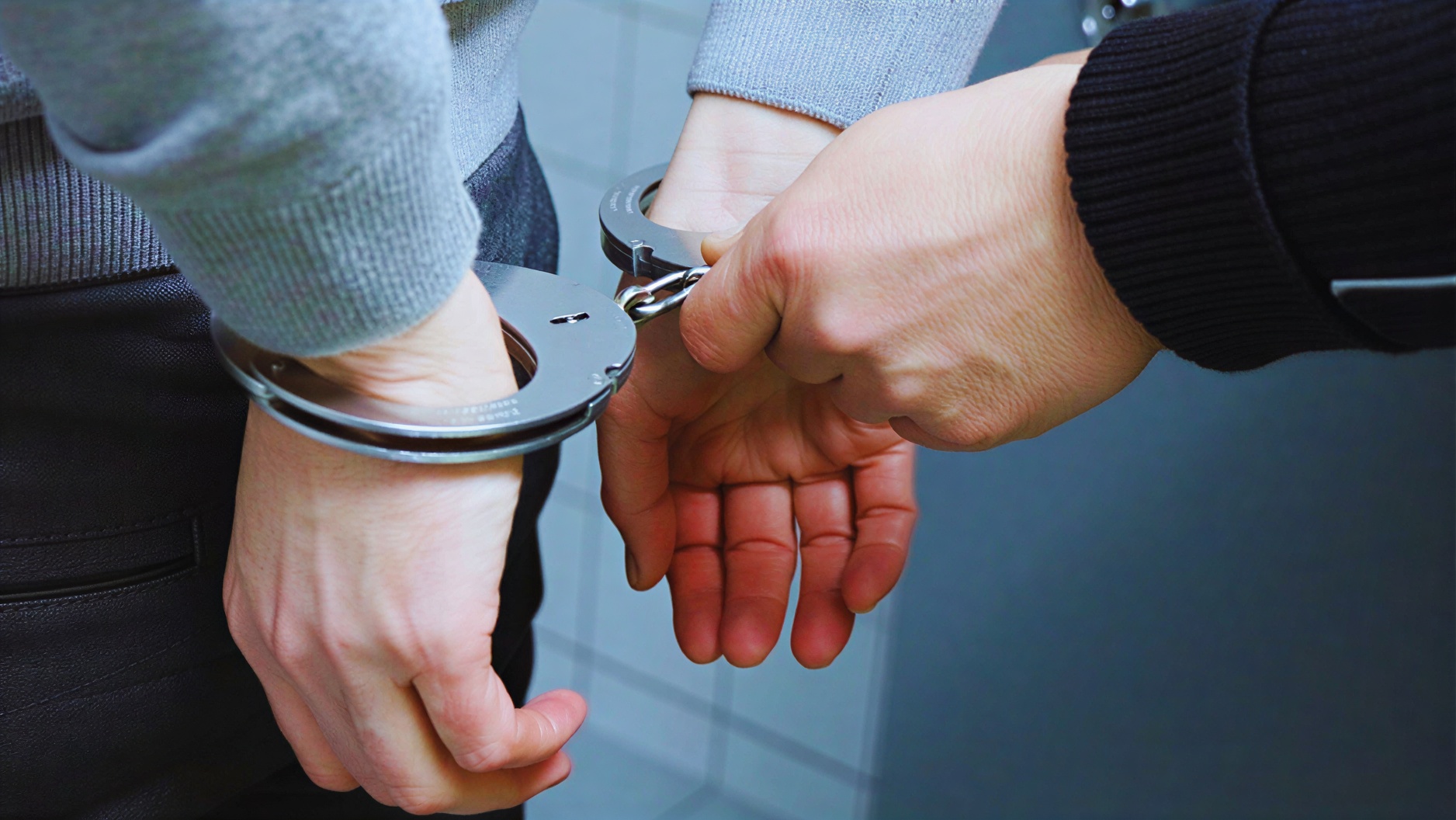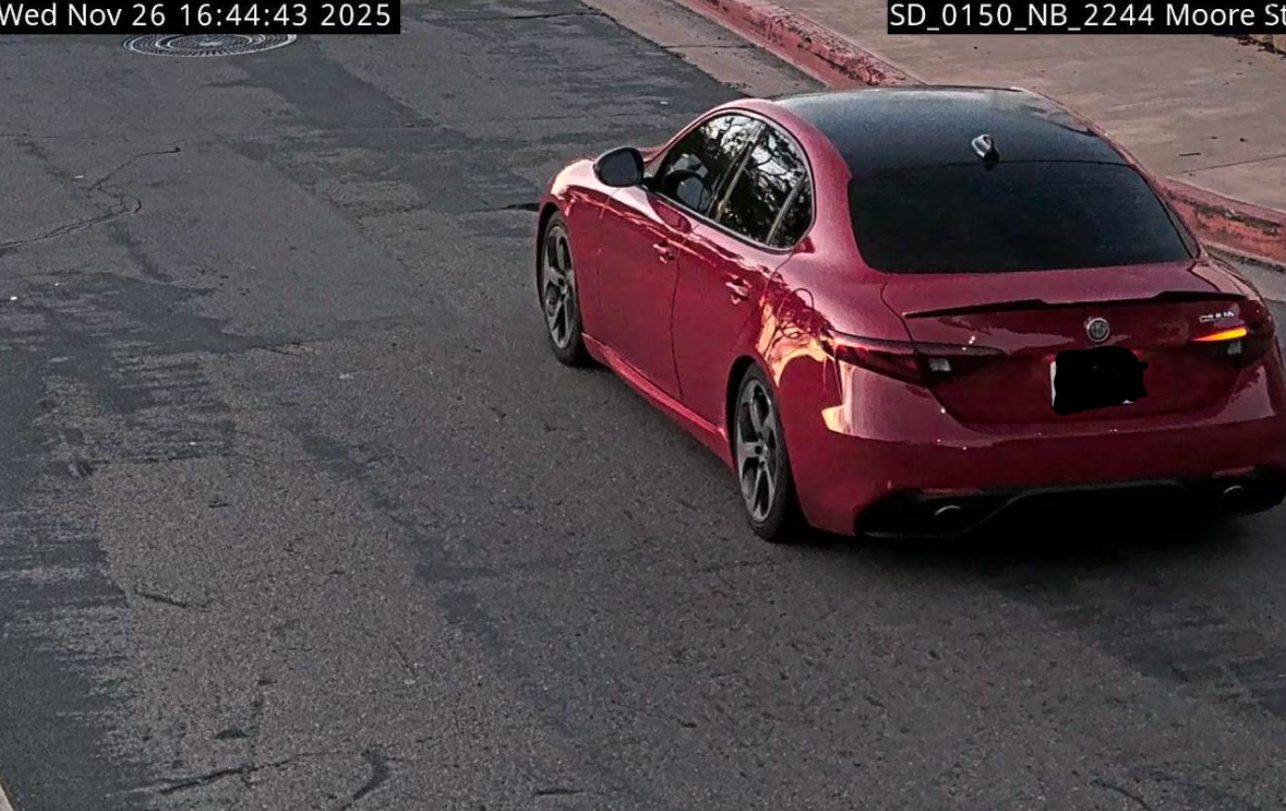
Hugo Parra spent nearly a month behind bars for an attempted carjacking he didn’t commit, jailed based on a Flock Safety camera alert that actually proved he was five miles away from the crime scene. San Diego police treated the automated license plate reader hit as confirmation rather than investigating what the timestamp really showed. Parra’s friend’s red Alfa Romeo was flagged 23 seconds after officers had already lost the real suspect vehicle. That timeline made it physically impossible for the same car to travel roughly five miles in under half a minute.
Yet Detective Gary Gonzales wrote that he “recognized the vehicle” based solely on matching red paint and tinted windows. The surveillance system that was supposed to catch criminals instead enabled confirmation bias on steroids. Flock’s “vehicle fingerprint” technology scans for make, model, and visual features beyond just license plates, casting a wide net that can snare innocent drivers in similar-looking cars.
When police brought in a witness for a lineup, that person identified Parra based on “the jacket and the beard” and “the skin color”—superficial markers that his legal team argues were tainted by the false assumption that Flock had already “found” the right suspect. Never mind that Parra was wearing a white hoodie while police had described a gray one, or that his cell phone location data corroborated his alibi.
Parra described his month in custody as “full of fear and adrenaline” while facing violent crime charges. He now feels “paranoid whenever a police officer or patrol vehicle comes into view”—a psychological toll that surveillance advocates rarely discuss when promoting these systems. He and car owner Ariel Beltran are seeking $1.5 million each in damages from San Diego, with attorney Alex Coolman warning that “mass surveillance without any sense of skepticism, or common sense, is a recipe for disaster.”
This isn’t an isolated glitch. A Redmond man was handcuffed in his own driveway after Flock wrongly linked his car to his son’s warrant, prompting the city council to temporarily shut down all cameras. In Colorado, flawed data entry—mixing up the letter “O” and number “0”—trapped another driver in a cycle of repeated false stops. These errors mirror the documented pattern of facial recognition mistakes that have led to at least a dozen wrongful arrests, disproportionately affecting people of color.
San Diego operates about 500 license plate cameras and accesses data from over 150 private systems at malls and businesses, creating a surveillance web that most drivers navigate unknowingly every day. You’re not just being watched—you’re being algorithmically judged, with your freedom potentially hanging on whether an overworked detective bothers to verify what the timestamp actually says.