Toyota owners, ever wonder if your reliable ride has secrets hiding under the hood? Beyond that legendary dependability, Toyotas pack clever functions that most drivers completely miss—shortcuts that save time, prevent fender-benders, and make you feel like you’ve cracked the automotive code. These aren’t flashy gimmicks; they’re practical features buried in owner’s manuals like treasure maps nobody reads. From power windows that remember their limits to mirrors that automatically help you park, your Toyota might be smarter than you think. Ready to unlock some hidden potential and stop leaving money on the table?
15. Auto-Tilting Side Mirrors in Reverse
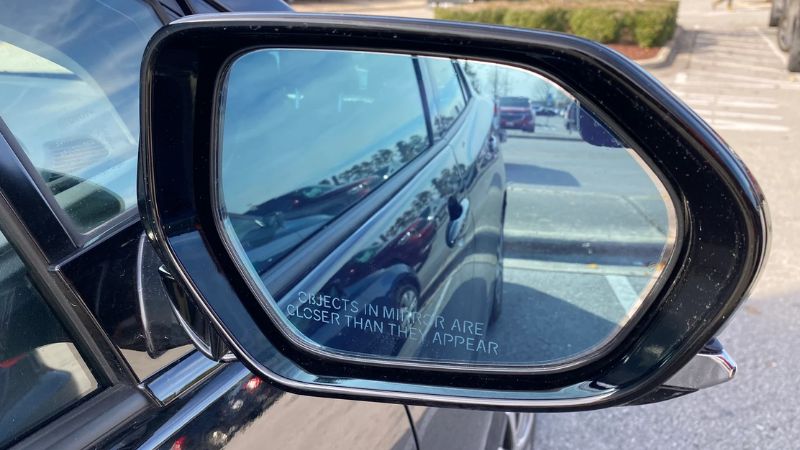
Many Toyota models automatically angle mirrors downward when backing up.
Many Toyota models, from the Camry to the RAV4, feature auto-tilt side mirrors that work like a built-in parking spotter. When you shift into reverse with the mirror selector set to L or R, that side mirror automatically angles down to show curbs and parking lines. Some models even let you teach the mirror your preferred angle by adjusting it once and storing the position.
This subtle feature prevents those cringe-worthy scrapes that can cost $150 or more in curb rash repairs. It’s particularly clutch in tight city garages or when parallel parking on busy streets, offering crystal-clear views of obstacles you’d otherwise miss.
14. Backup Camera Guidelines
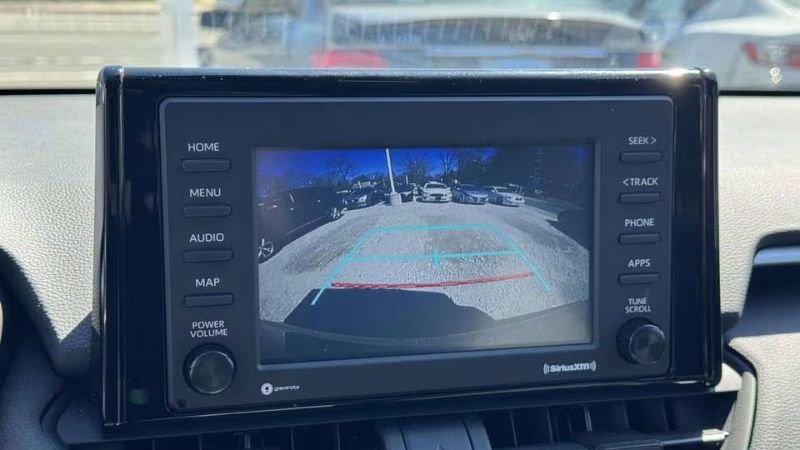
Toyota’s backup cameras offer both fixed and dynamic guidelines to prevent parking mishaps.
Toyota’s backup cameras do more than show what’s behind you. These systems use color-coded distance markers—red lines screaming “danger” at about 1.5 feet, with blue lines offering breathing room around 3 feet. Newer models ditch static lines for dynamic ones that move with your steering wheel, showing exactly where your bumper is headed.
Since backup cameras became mandatory in May 2018, every new Toyota includes this tech. But remember, these cameras have blind spots. Using them as your sole parking guide is risky; they’re co-pilots, not captains, for your parking mission.
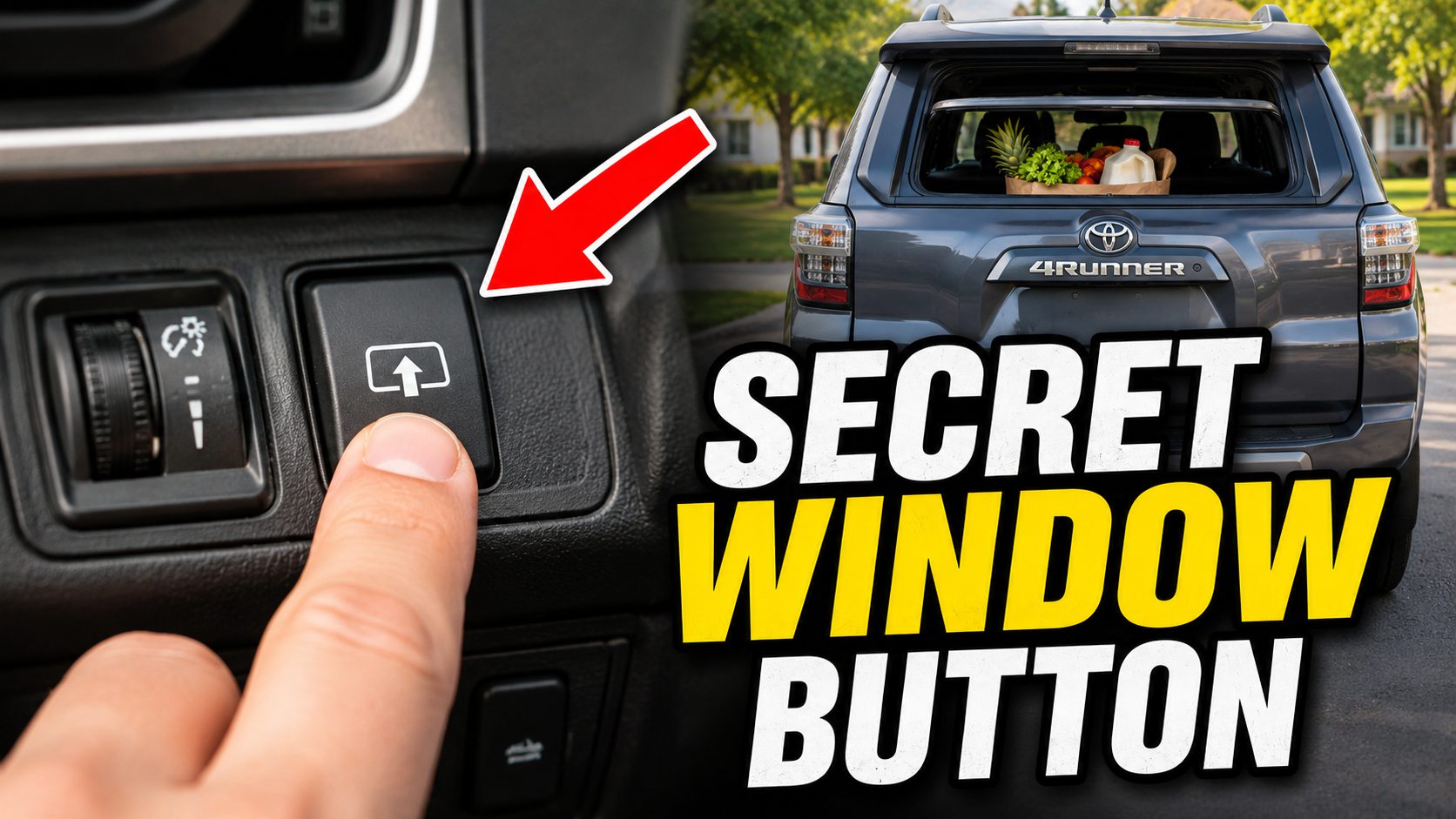
13. Toyota 4Runner Power Rear Window
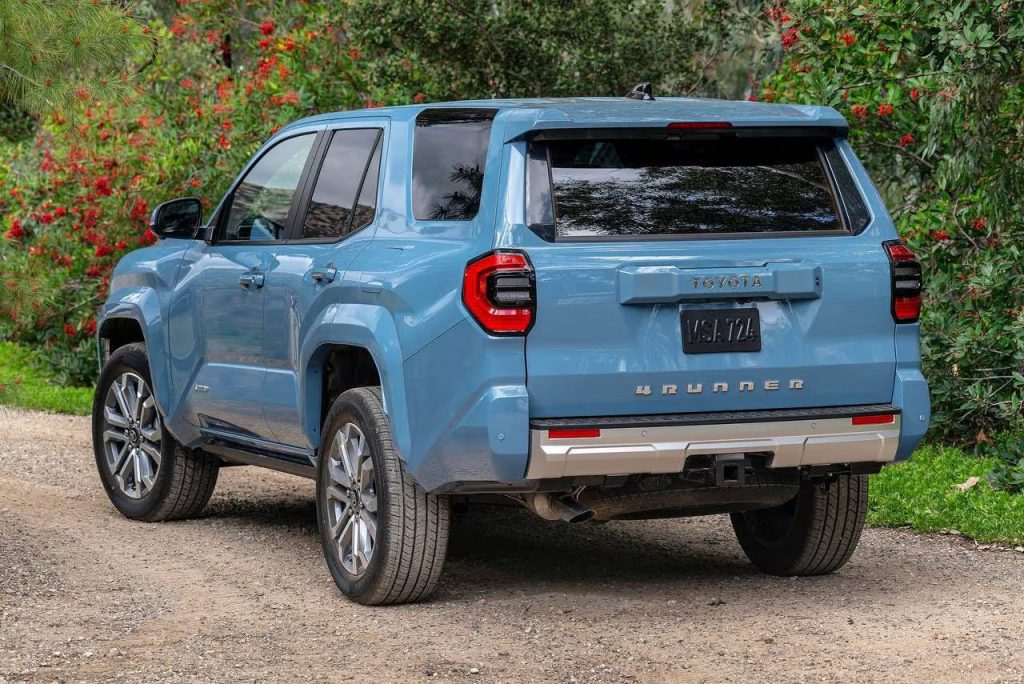
The 4Runner’s independent rear glass drops down without opening the entire hatch.
That pop-open rear window on the Toyota 4Runner isn’t just nostalgic design; it’s genuinely useful engineering that other SUVs have forgotten. This smart design, standard on all U.S. trims, means you can easily snag groceries or load a surfboard without needing a parking spot the size of Texas. A quick press of a button on the dash, tailgate, or key fob (depending on the year) lowers just the glass.
Anyone who’s wrestled with a full liftgate for one bag knows the relief this brings. Plus, crack it open while driving for instant ventilation without the buffeting of rolled-down windows. It’s proof that sometimes the simplest solutions work best.
12. Steering Wheel Voice Command Button
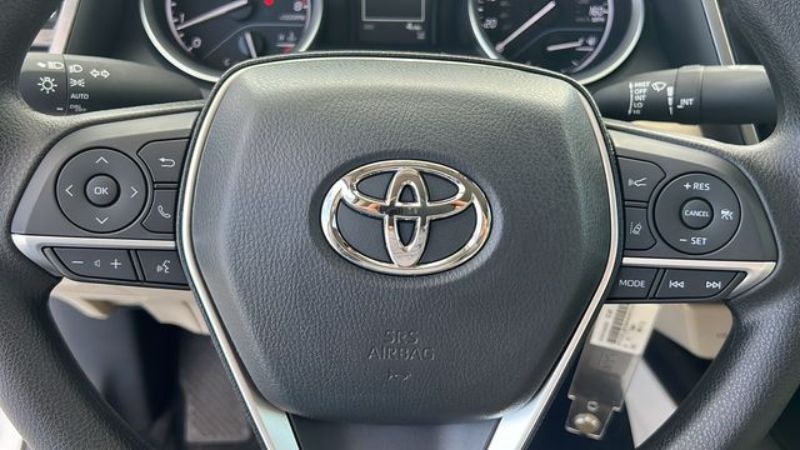
Long-pressing the talk button activates Siri or Google Assistant through CarPlay and Android Auto.
That talk button on your steering wheel does more than summon Toyota’s voice system. If your ride supports Apple CarPlay or Android Auto, press and hold it for about 2-3 seconds to wake up Siri or Google Assistant directly. This lets you manage calls, texts, navigation, and playlists without touching the screen.
Missing this shortcut means unnecessary distractions—like trying to text while juggling flaming torches. Keep your hands on the wheel and your eyes on the road with this simple trick.
11. Smart Key Battery Backup Start
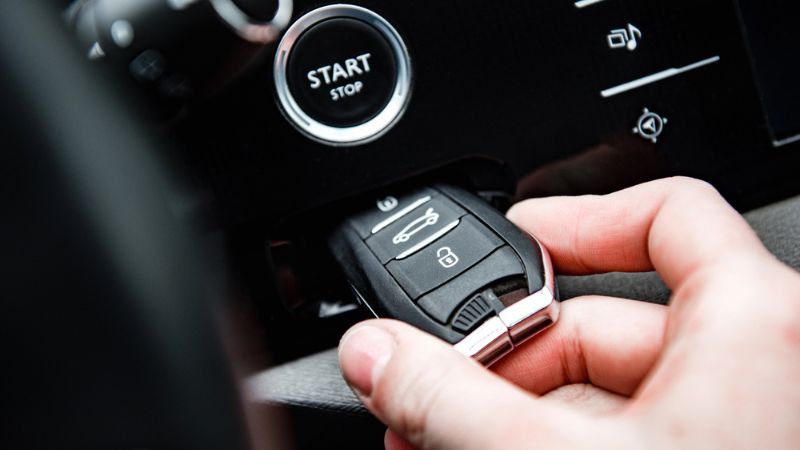
Dead key fob batteries don’t have to strand you thanks to proximity starting.
Key fob batteries typically last 1-2 years, but when they die, you’re not locked out. Hold the fob directly against the engine START/STOP button while pressing the brake pedal. The car reads the passive chip at close range, even with zero battery juice left.
This proximity magic saves you from calling roadside assistance for a battery that costs under $10 to replace. It’s like having a secret handshake with your car when technology fails.
10. Auto Window One-Touch Function Reset
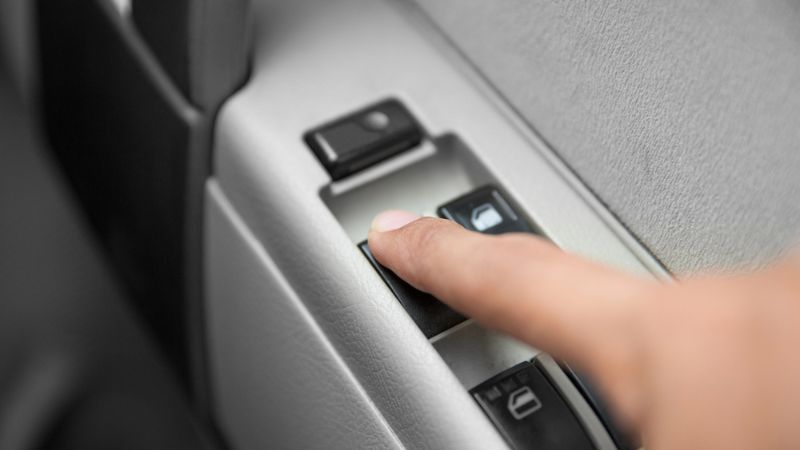
Window convenience features return with a simple relearning procedure after power loss.
After a battery disconnect, your power windows might forget how to auto up and down. The window module loses its memory of upper and lower limits, like a goldfish with amnesia. The fix requires no tools—just patience.
Manually lower the window all the way, then hold the switch for one extra second after it stops. Do the reverse: raise it fully and hold for another second. This teaches the system its limits, restoring one-touch convenience and anti-pinch safety features.
9. Wiper Service Position
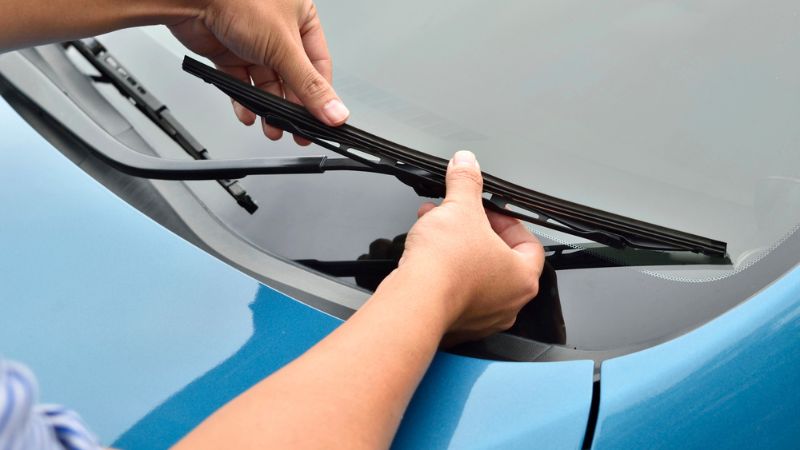
Hidden wiper maintenance mode prevents hood scratches during blade changes.
Many newer Toyotas hide their wipers beneath the hood line, making blade changes risky for your paint. There’s a clever workaround: with ignition off, move the wiper stalk to MIST and hold for about 2 seconds within 45 seconds of shutting down. The wipers sweep up and halt in a service position.
This prevents the metal frames from striking the hood edge and allows safe blade replacement. It’s automotive engineering that actually makes maintenance easier instead of harder.
8. Rear Seat Belt Reminder System
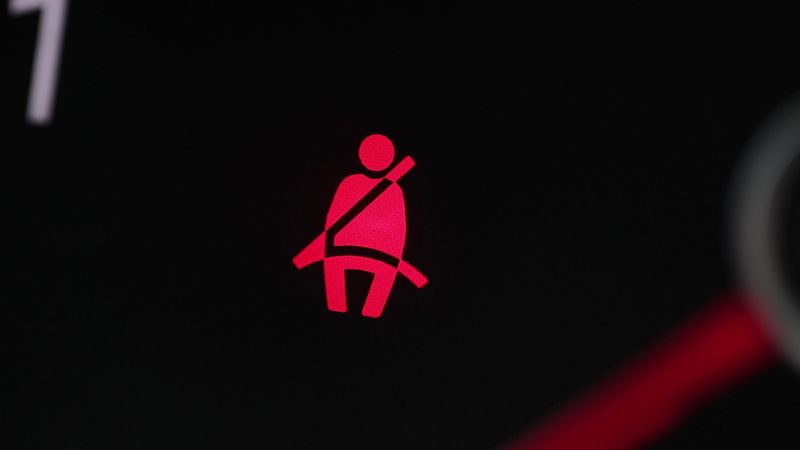
Dashboard displays show which rear passengers are buckled and issue speed-triggered warnings.
Newer Toyota clusters visually display which rear seats have belts fastened, like a digital safety supervisor. Once you hit about 12 mph with a rear belt unbuckled, a buzzer kicks in to remind forgetful passengers.
Rear seat occupants are significantly safer when buckled—IIHS research proves it. This system ensures everyone, especially kids who think seatbelts are optional accessories, stays properly secured.
7. Push-to-Open Fuel Filler Door
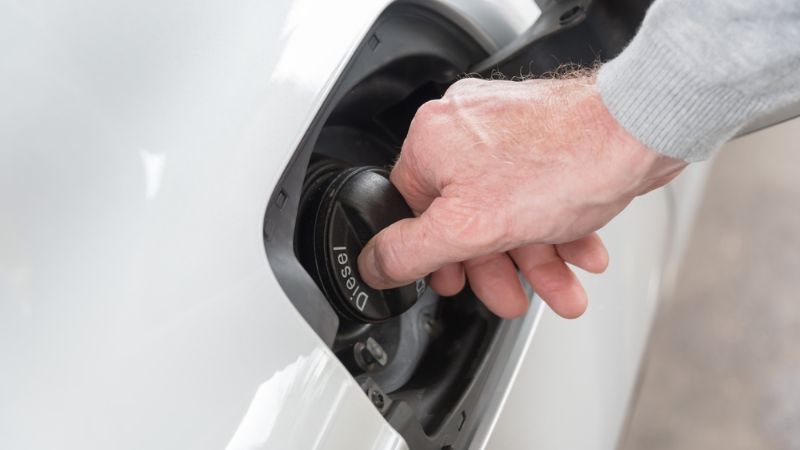
Many newer models eliminate interior release levers in favor of simple push-open doors.
Forget fumbling for hidden levers like you’re cracking a safe. Many newer Toyotas use push-to-open fuel doors—just press the rear edge of the flap when doors are unlocked. This spring-loaded design ditches the old cable system, making fill-ups smoother.
The mechanism ties into central locking, preventing unauthorized access when the vehicle is locked. It’s proof that sometimes eliminating parts makes things work better.
6. Power Liftgate Height Memory
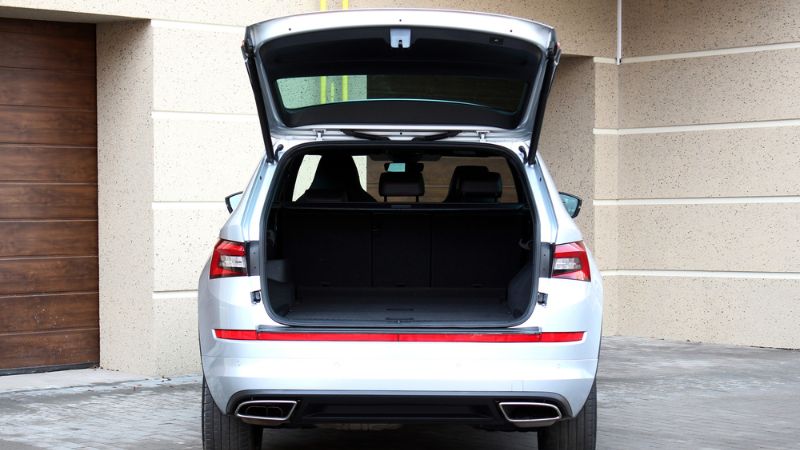
Programmable height settings prevent garage ceiling collisions and strut damage.
Toyota SUVs like the RAV4 and Highlander offer programmable liftgate height to prevent those soul-crushing ceiling impacts. Open the liftgate to your preferred height, then press and hold the close button until a buzzer sounds—that height is now stored.
Some systems store up to five different heights through vehicle menus. This digital bouncer for your liftgate saves paint, struts, and sanity from low-hanging obstacles.
5. Slide-Out Sun Visor Extension

Hidden extensions eliminate the gap between visors and B-pillars during side sun protection.
Many Toyota models include slide-out sun visor extensions that most drivers never discover. When the main visor is positioned for side windows, the extension pulls out to block that annoying gap near the B-pillar where low-angle sunlight sneaks through.
This simple solution prevents squinting matches with the setting sun and reduces dangerous glare that turns driving into a guessing game.
4. Traction Control Override
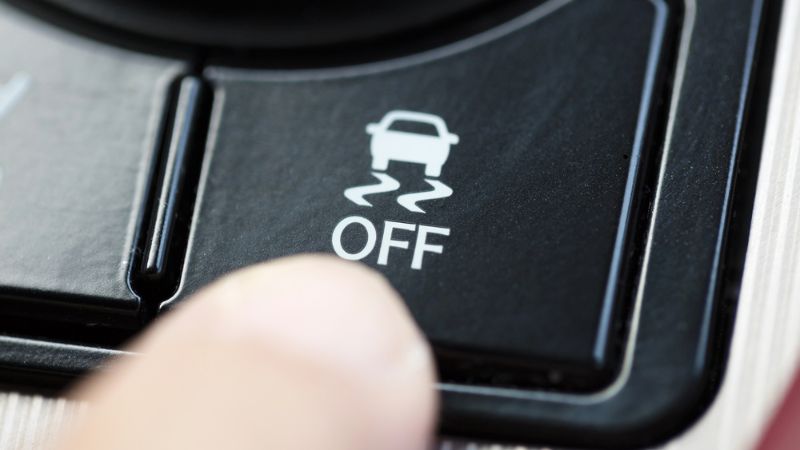
Holding the VSC OFF button disables both traction control and stability systems for low-traction escapes.
Toyota’s TRAC and VSC systems excel on pavement but can trap you in snow or sand. A quick press of the VSC OFF button disables traction control, but holding it for about 3 seconds while stopped turns off both systems on many models.
This override lets wheels spin freely when you need controlled wheelspin to escape sticky situations. Just remember to re-engage these safety systems once you hit solid ground.
3. Remote Start Climate Memory
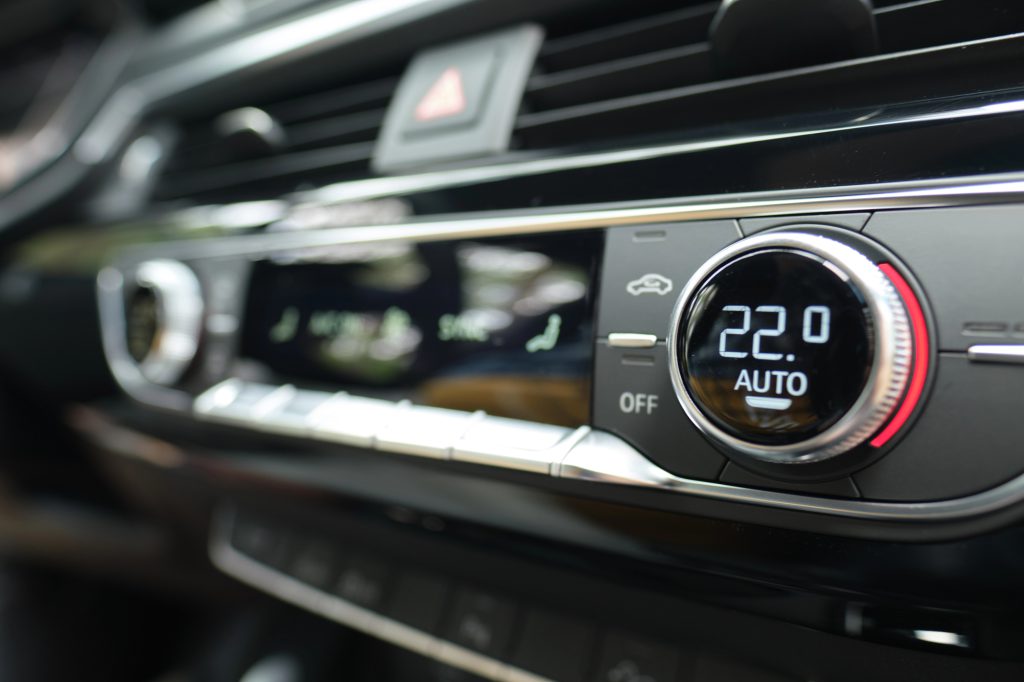
Remote starting recalls your last climate settings for automatic cabin preconditioning.
Toyota’s remote start systems remember your climate preferences, automatically resuming your last temperature, fan speed, and mode settings. Set it to AUTO with your preferred temperature, and stepping into your remotely started car feels like entering a perfectly conditioned room instead of a sauna or icebox.
This feature transforms remote start from engine warm-up into genuine comfort preparation, making those extreme weather days more bearable.
2. Parking Sensor Toggle
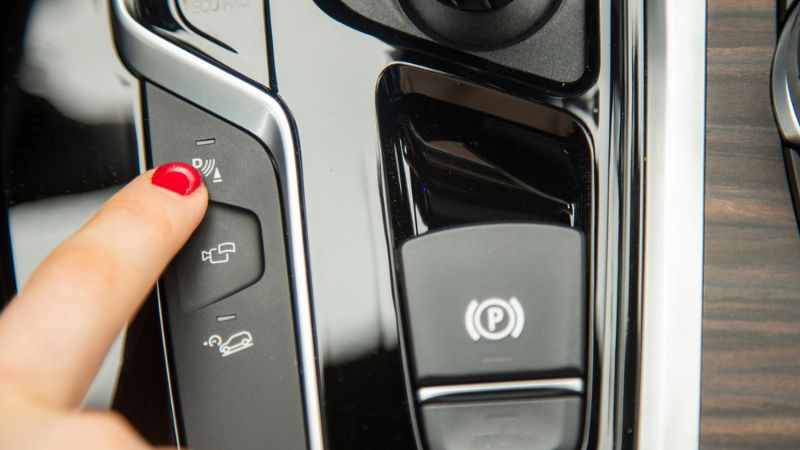
Dedicated switches silence ultrasonic sensors when bike racks or tight garages trigger false alarms.
Those parking assist beeps can drive you nuts in tight garages or with bike racks confusing the sensors. Most Toyotas include a dedicated parking assist switch or menu setting to silence the system. Once switched off, it typically stays off until manually re-enabled.
This prevents the incessant chirping when sensors detect harmless obstacles, letting you park in peace without losing the feature entirely.
1. Push-Button Start Power Modes
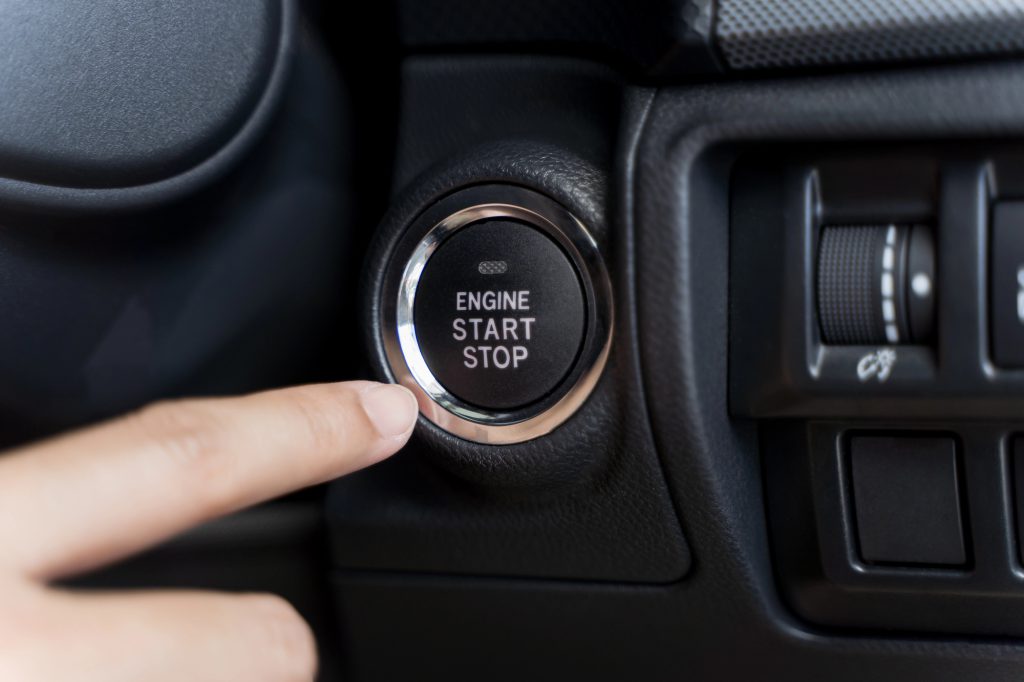
Pressing start without the brake cycles through ACC and ON modes for engine-off electrical access.
Toyota’s push-button start cycles through useful power modes when you don’t press the brake. First press activates ACC mode, powering radio and accessories. Second press enables ON mode, lighting up the dash and most electrical systems without starting the engine.
These modes let you use infotainment, charge devices, or adjust settings while parked without burning fuel. Just avoid extended use in ON mode to prevent battery drain—it’s your car’s efficient low-power mode.