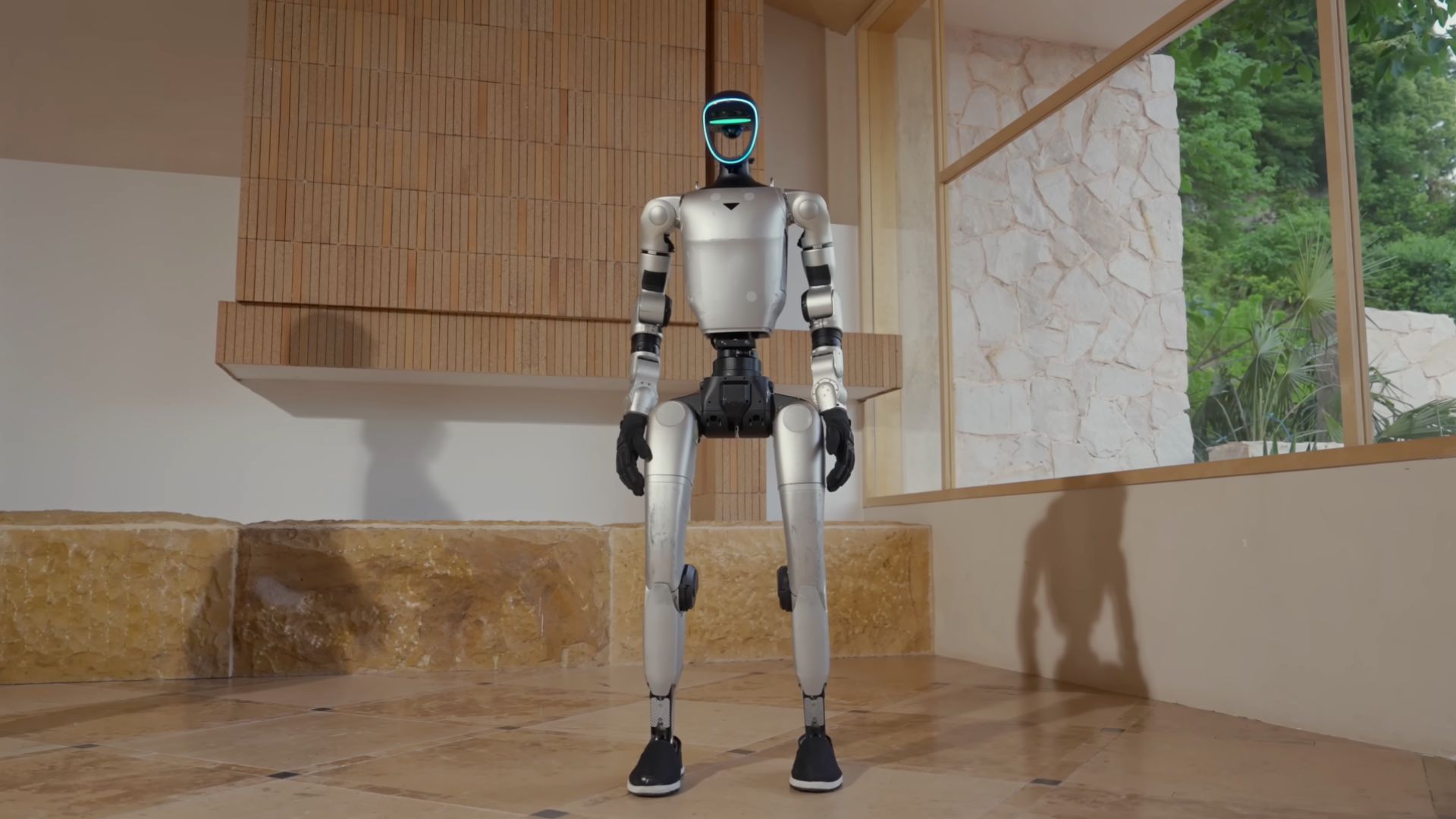
Honda’s latest robotic hands can manipulate thread with surgical precision, screwing tiny bolts and performing tasks that would make a watchmaker proud. This demonstration anchored the Humanoids Summit Tokyo 2026, where Japan showcased its engineering excellence while quietly acknowledging an uncomfortable truth: Chinese companies have emerged as major players in the humanoid robotics market.
You’re witnessing a technological shift that feels like watching Nokia executives admire the first iPhone. Japan pioneered humanoid robotics with ASIMO back in 2000, building cultural comfort with robot helpers that most societies still lack. But companies like Unitree, Booster Robotics, and LimX Dynamics have taken those foundational Japanese and American breakthroughs, optimized them for mass production, and emerged as the summit’s biggest draws.
Real-World Robots, Real-World Problems
Airport trials reveal why precision engineering meets demographic crisis.
Japan’s demographic reality makes these demonstrations more than tech theater. With 28.7% of the population over 65 and strict immigration policies limiting foreign workers, robots aren’t luxury items—they’re workforce multipliers. Japan Airlines launches its humanoid trials at domestic airports this May, using GMO AI & Robotics platforms that rely on Chinese Unitree technology for core systems.
The irony cuts deep. Japan’s cultural acceptance of robots should provide competitive advantage, yet the actual hardware increasingly comes from China. While Honda’s engineers perfect needle-threading precision, Chinese firms focus on what customers actually need: reliable robots at prices that make business sense. It’s the classic innovator’s dilemma playing out with mechanical hands instead of smartphones.
Summit organizers describe humanoids as “AI in physical form” destined to become “woven into the fabric of humanity.” That future reflects a global marketplace where innovation and commercialization follow different paths, even when deployed in Japan’s robot-friendly society.