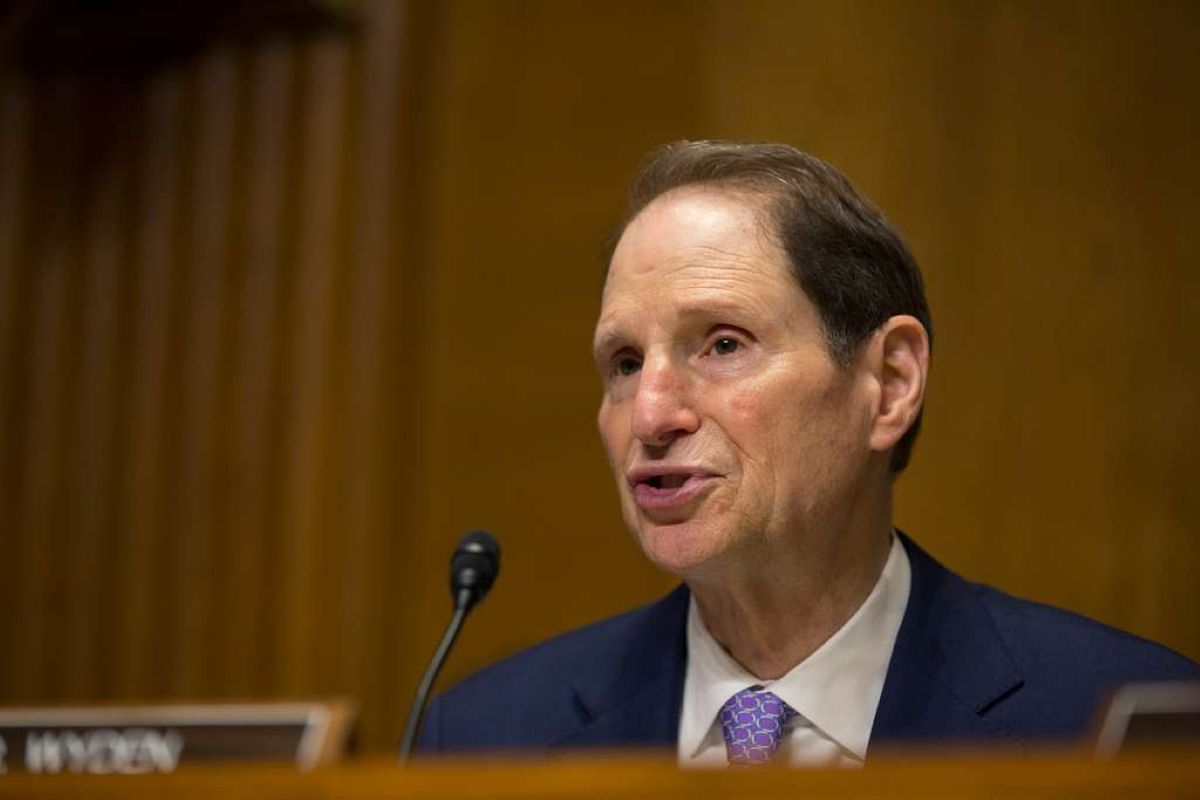
Your government recommends using VPNs for cybersecurity while potentially treating VPN users as foreigners who lack Fourth Amendment protections. This isn’t some dystopian fiction—it’s the legal reality Senator Ron Wyden outlined in a March 26, 2026 letter to Intelligence Director Tulsi Gabbard, demanding she warn Americans about this surveillance app trap.
The Legal Loophole That Turns Privacy Tools Into Surveillance Triggers
Here’s the mechanism that should terrify you: under FISA Section 702 and Executive Order 12333, when intelligence agencies can’t determine your location, they’re legally permitted to “assume that the person is a foreigner,” according to Wyden’s letter. VPNs, by design, route your traffic through servers worldwide and mask your IP address—the very feature you pay for becomes the trigger that potentially strips away your constitutional protections.
Your Netflix geolocation workaround could land you in the NSA’s foreign intelligence database. Because VPNs obscure location by routing traffic through foreign servers, VPN traffic can appear to originate abroad or from an unknown origin, potentially causing it to fall under “foreign” traffic categories that intelligence agencies can collect in bulk.
When Privacy Tools Become Surveillance Magnets
Privacy expert Naomi Brockwell cuts through the marketing hype: “A VPN just shifts which third party holds your traffic, it doesn’t change the underlying legal theory that says the government can help itself to it without a warrant.” Under the third-party doctrine, any data you hand to a service provider—whether your ISP or VPN company—can be accessed without traditional warrant protections.
It’s like switching from one Ring doorbell to another; you’re still being watched, just by a different company that can be compelled to share. All your routed traffic goes through the VPN provider, which becomes a critical third party holding detailed logs or metadata, depending on their practices.
The Surveillance Paradox Nobody Talks About
The contradiction is stark: federal agencies including the FBI actively recommend VPN use for protection against criminals and foreign adversaries, yet Wyden’s concerns suggest these same tools might increase your exposure to domestic surveillance programs. As Techdirt notes, VPNs “can still offer considerable security benefits,” but users need to understand that “domestic surveillance is one of the possible side effects” under current legal interpretations.
The agencies pushing privacy tools may simultaneously be exploiting them. Lawmakers are asking whether intelligence agencies treat VPN traffic as ‘foreign’ by default—a classification that could strip users of constitutional protections and place them inside the Section 702 surveillance pipeline, according to Proton’s analysis.
Wyden isn’t asking Americans to abandon VPNs—he’s demanding transparency about the legal risks. The real fix requires structural reform: updating surveillance laws for the internet age and reconsidering the third-party doctrine that treats digital relationships like handing letters to the mailman. Until then, you’re navigating a system where privacy tools offer protection from some threats while potentially exposing you to others, much like dealing with other frustrating computer problems.