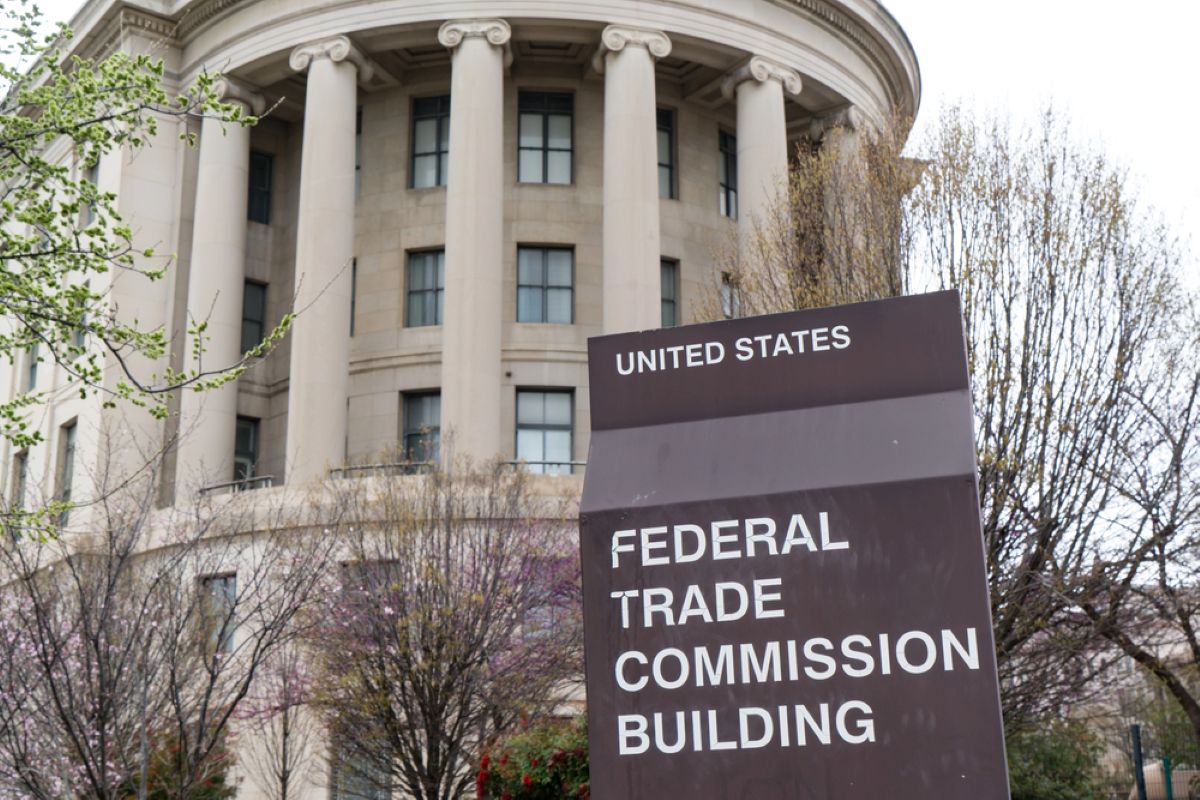
Racing through your privacy settings after another eerily targeted ad? The FTC just proved your paranoia was profitable – but not in the way you think. Three companies agreed to pay $930,000 combined to settle allegations they falsely marketed an AI service that supposedly detected conversations from smart devices to target ads. The twist? The service never listened to anything.
The Million-Dollar Marketing Deception
Three companies turned conspiracy theories into deceptive advertising, exploiting widespread privacy fears for profit.
- Cox Media Group will pay $880,000
- MindSift LLC will pay $25,000
- 1010 Digital Works will pay $25,000
According to the FTC, the companies claimed their “Active Listening” service could capture relevant conversations from smart devices in real time and use that audio for hyperlocal ad targeting.
The reality was far more mundane: they purchased standard email lists from third-party data brokers and resold them as cutting-edge AI surveillance app tech. The FTC also rejected their consent claims, stating that clicking through app terms of service doesn’t constitute valid permission to collect voice data from inside people’s homes.
When Fear Becomes a Feature
Cox Media Group deliberately amplified privacy anxieties in marketing materials, turning consumer paranoia into a selling point.
Cox had previously leaned into the creepiness factor in their marketing language, suggesting devices were actively listening and that voice data could reach exact audiences. This messaging helped fuel the persistent “phones are listening” narrative that dominates privacy discussions.
A Cox spokesperson told Wired that their local marketing team relied on third-party vendor materials and quickly withdrew them once questioned. But the FTC’s action suggests the damage was done – both to customers who paid for fake capabilities and to public trust in privacy-related marketing claims.
The Real Story Behind Targeted Ads
While companies sold fake surveillance, actual ad targeting relies on far more sophisticated – and legal – data collection methods.
The case illuminates how “eerily relevant ads” actually work through tracking pixels, behavioral profiling, and data brokerage rather than live microphone surveillance. The settlement bars the companies from misrepresenting their marketing services, voice data collection, consumer consent, and geographic targeting capabilities – essentially forcing them to stick to reality rather than privacy theater.
This enforcement signals tougher scrutiny ahead for AI marketing claims, especially those invoking voice data or hyperlocal targeting. Your phone might not be listening to your conversations, but companies betting on your fear that it does just learned an expensive lesson.