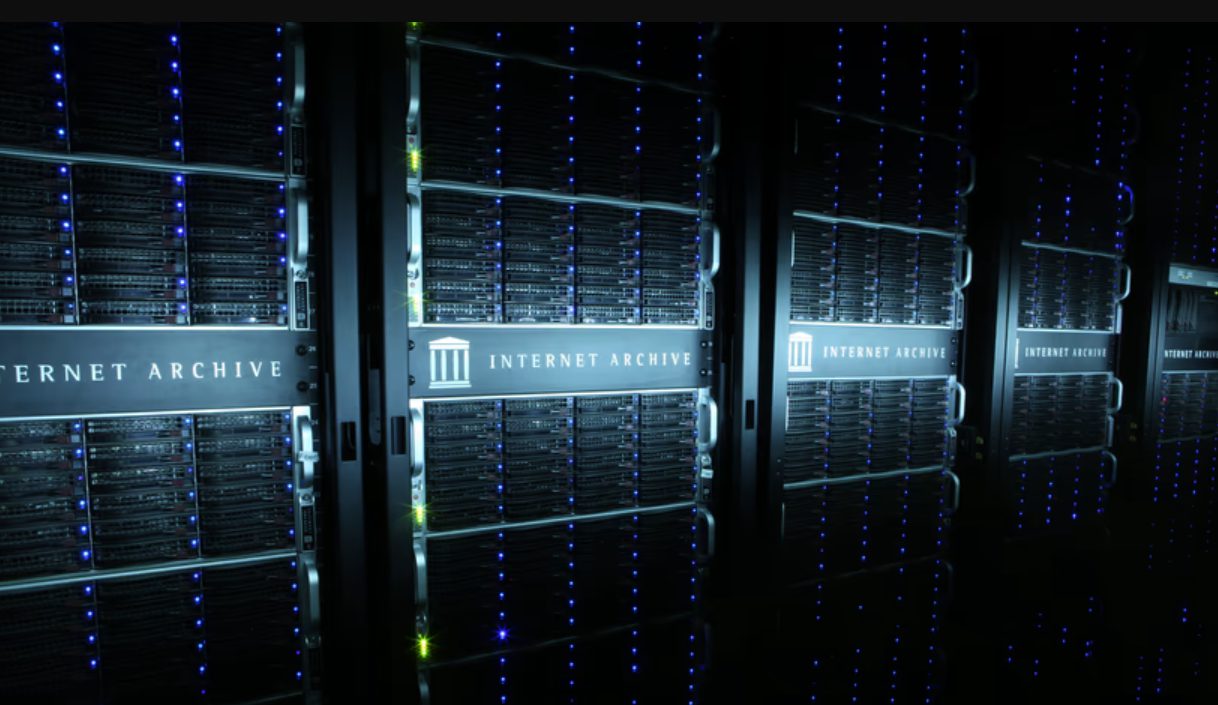
Ever tried tracking down that crucial local story from a few years back, only to hit a dead link? You’re about to see a lot more digital tumbleweeds. More than 342 local news outlets across America have quietly started blocking the Internet Archive’s Wayback Machine from preserving their journalism—a move that’s turning local history into a luxury good.
The Great Digital Blackout
Major newspaper chains are coordinating to shut out the web’s memory keeper.
The numbers tell a stark story. In January, 241 news websites were blocking Internet Archive crawlers. By May, that jumped to 382 sites—growth that would make a Silicon Valley startup jealous, except this expansion is about making content disappear.
USA Today Co., McClatchy, and hedge fund-owned chains like those under Alden Global Capital are leading the charge. The Baltimore Banner’s CTO captured the underlying anxiety perfectly: “If ChatGPT finds something in the Wayback Machine, we were not sure how well it would be attributed back to us.”
The AI Panic Driving the Shutdown
Publishers fear tech giants are using archived copies as free training data for AI models.
Here’s the kicker: no publisher has actually confirmed that AI companies scraped their content from the Internet Archive. This is a preemptive strike based on what might happen.
Publishers worry that even after blocking OpenAI’s crawlers directly, AI companies could still access their work through archived copies. The Atlantic’s CEO put it bluntly—allowing unfettered archiving means “you lose bargaining power” in licensing negotiations.
What Journalists Are Losing
The tools reporters need to hold power accountable are vanishing.
More than 200 journalists signed a petition defending the Wayback Machine, and for good reason. B.J. Mendelson of The Monroe Gazette in New York covers news in a “larger news desert” where local outlets have died or become “zombie-fied.”
Without archived articles, his accountability reporting would be “incredibly difficult.” University of Missouri journalism librarian Edward McCain warns this “threatens one of the most effective ways that we capture and store news content for the long term.”
The irony? Wired magazine simultaneously blocks the Internet Archive while participating in the Archive’s digital preservation training program.
The Memory Wars
Who gets to control what we remember is becoming a high-stakes business decision.
When news outlets close—and they’re closing fast—their archives often vanish too. The Hook, a Charlottesville weekly, took 22,000 stories offline when it folded.
Meanwhile, publishers still license their content to expensive databases like ProQuest and LexisNexis, accessible mainly through universities and institutions. The message is clear: digital memory costs money, and free preservation is becoming a relic of the web’s more optimistic past.