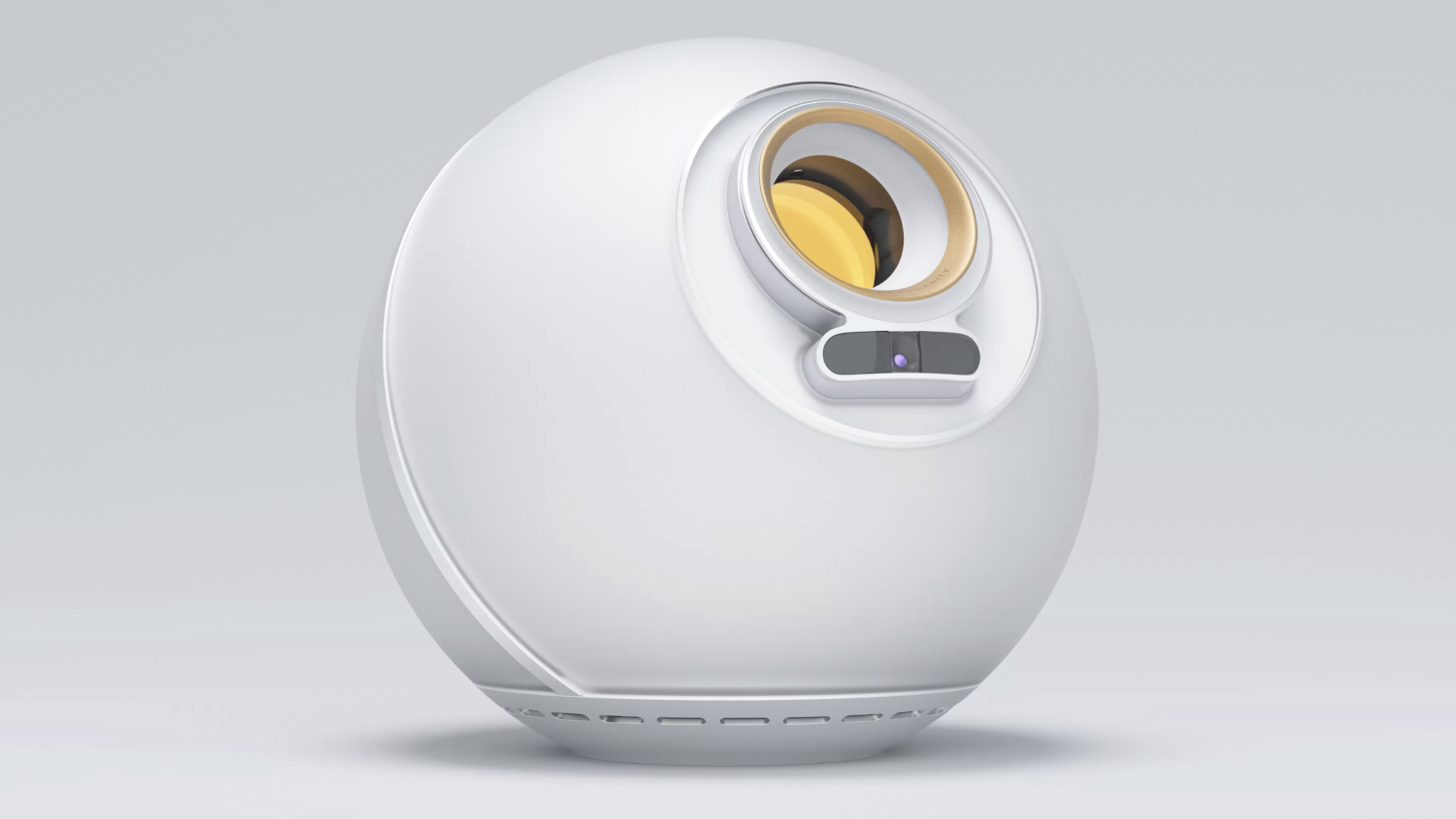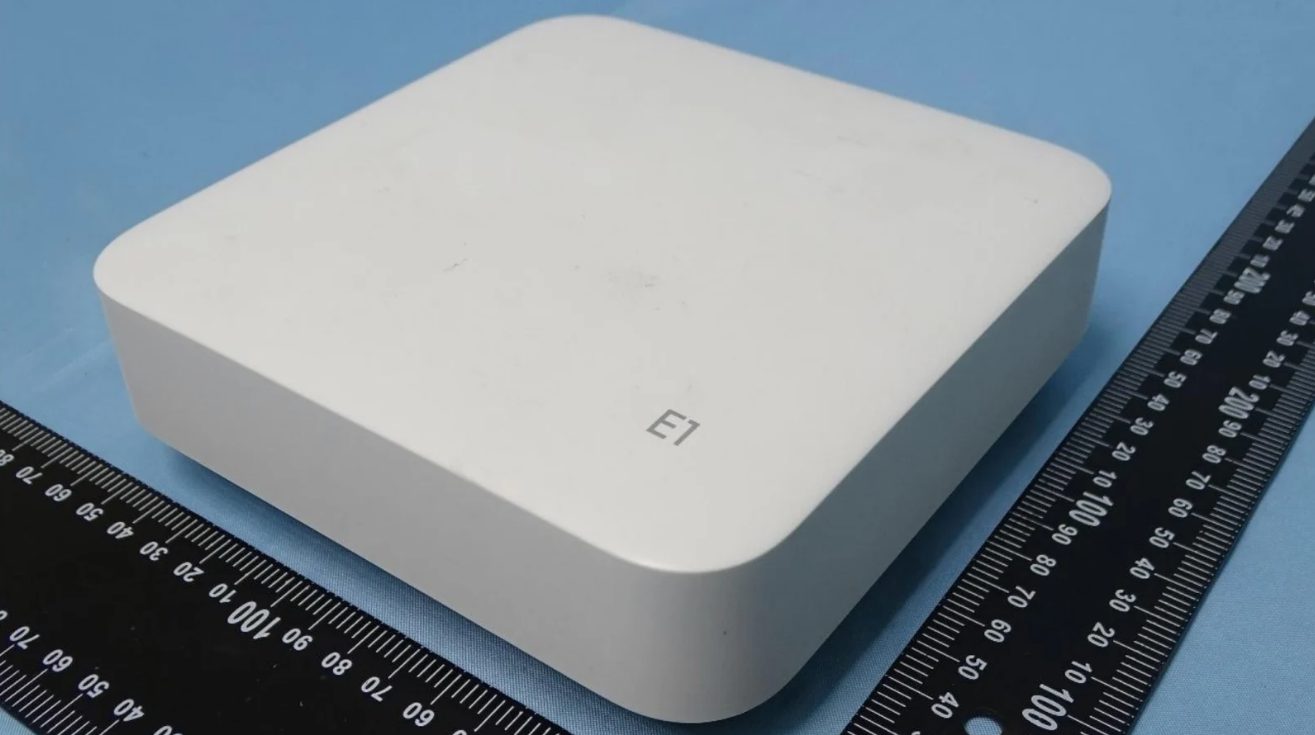
Amazon’s first Wi-Fi router for its Project Kuiper satellite service looks nothing like the networking powerhouse you’d expect from a Starlink rival. FCC filings that recently surfaced show a deliberately basic box—no flashy gaming aesthetics or mesh nodes that light up like a rave. Just a simple gateway labeled “E1” that gets the job done.
Hardware That Hides Its Smarts
The router sports exactly three rear connections: power and two Ethernet ports. One handles your satellite dish connection, the other manages wired devices or downstream switches. Everything else connects wirelessly. This stripped-down approach mirrors Amazon’s broader philosophy—complexity lives in the cloud, not your living room.
The integrated AC/DC power supply means no wall wart cluttering your setup, though the internal photos reveal a surprisingly chunky power section taking up serious real estate inside.
Wi-Fi 6 Meets Smart Home Ambitions
Beneath the boring exterior, Amazon packed Qualcomm’s QCN6112 and IPQ5018 processors alongside 4GB of flash storage. The router supports Wi-Fi 6 and mesh networking, so you can link multiple units for larger coverage areas.
More intriguingly, it includes Bluetooth Low Energy and Zigbee radios. That’s smart home hub territory—potentially turning every Project Kuiper installation into an Alexa command center once Amazon flips the software switches.
Mid-Tier Service Gets Matching Hardware
Amazon’s satellite service is expected to offer multiple tiers spanning portable dishes to enterprise arrays. This router’s modest power requirements and compact design suggest it targets mainstream residential deployments rather than the largest, power-hungry enterprise setups.
The E1 launches alongside Amazon’s satellite service rollout, though the company hasn’t disclosed pricing for hardware or subscriptions. After years of Starlink dominating satellite internet conversations, Amazon’s finally showing its hand. The router might look forgettable, but its mesh capabilities and smart home integration could make installations stickier than simple internet pipes. Sometimes the most boring box holds the biggest surprises.