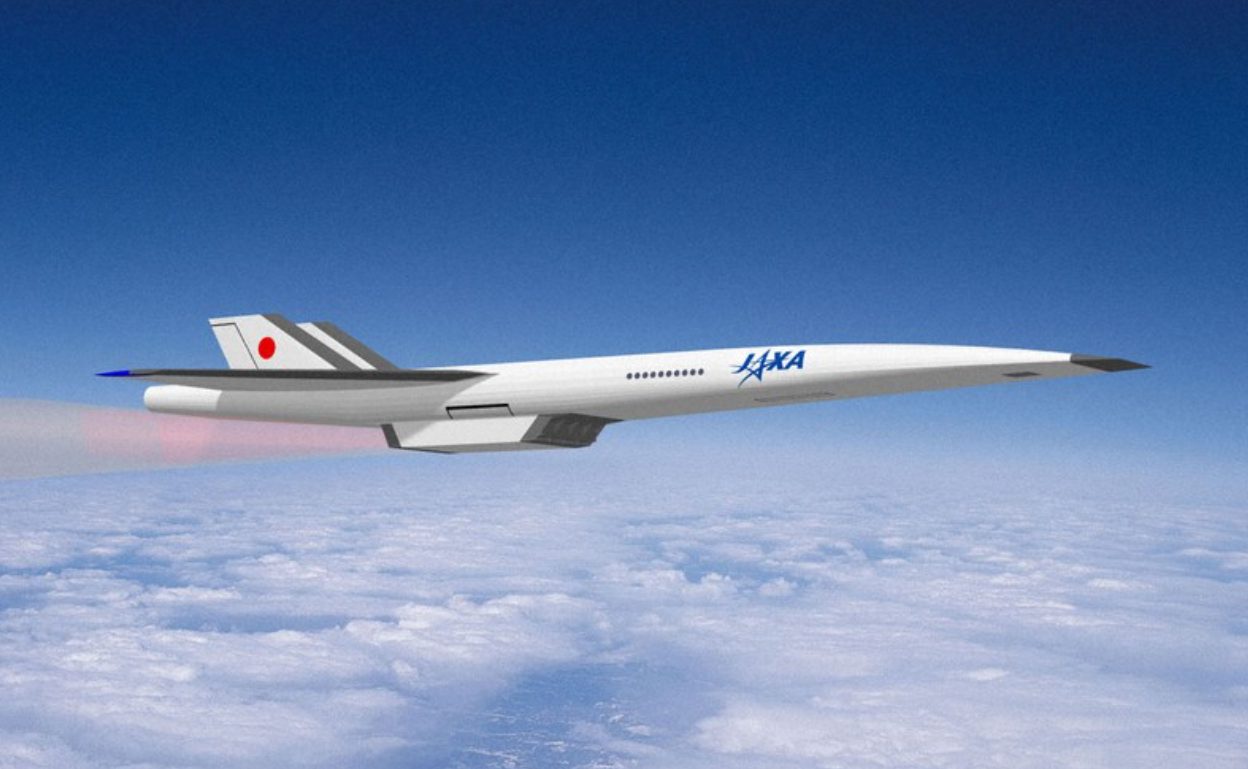
Twelve hours trapped in a metal tube crossing the Pacific feels like cruel punishment for wanting to travel. JAXA and Waseda University just cracked a key piece of the solution—Japan’s first successful Mach 5 ramjet test that could eventually shrink intercontinental flights to the time it takes to binge three episodes of your current Netflix obsession.
The Engine That Ate Physics
Ground test proves hypersonic combustion works, but full-scale passenger aircraft remains decades away.
The April test at JAXA’s Kakuda Space Center simulated flight conditions at 25 kilometers altitude—twice as high as regular airliners cruise. Their experimental 2-meter vehicle represents roughly one-fiftieth the size of a planned passenger aircraft, yet achieved stable ramjet combustion while surface temperatures hit 1,000°C from compressed air and friction.
Mach 5 translates to about 5,400 km/h, making this roughly six times faster than your typical Boeing and more than double Concorde’s cruising speed. Professor Tetsuya Sato called the result “only a first step,” but it validates both engine operation and thermal management under representative conditions.
Reality Check on Hypersonic Dreams
Concorde’s ghost haunts every supersonic revival, and hypersonic faces even steeper challenges.
Engineering a passenger aircraft that survives repeated thermal cycling between takeoff and hypersonic cruise resembles building a reusable spacecraft that uses airport runways. The Japanese team envisions adding rocket engines for suborbital hops to 100 kilometers altitude—blurring the line between aviation and space tourism like Virgin Galactic’s current offerings.
Professor Hideyuki Taguchi estimates 20 years from experimental aircraft to commercial service, placing realistic deployment in the 2040s. That timeline assumes sustained funding and technical progress—two variables that killed plenty of aerospace dreams before.
Racing SpaceX to Ultra-Fast Travel
Different approaches compete to shrink Earth while regulators scramble to write new rulebooks.
This air-breathing hypersonic approach competes directly with SpaceX’s proposed point-to-point Starship service and the emerging supersonic revival from companies like Boom. Each pathway faces distinct hurdles:
- Sonic booms
- Environmental impact at stratospheric altitudes
- Safety certification frameworks that don’t yet exist for hypersonic passenger operations
You’ll initially pay premium prices rivaling space tourism if this technology matures. The eventual aircraft might takeoff from conventional runways, but regulatory approval for overland hypersonic flight remains questionable given existing sonic boom restrictions that confined Concorde to oceanic routes.
The successful combustion test proves hypersonic passenger travel moved beyond science fiction. Whether it reaches your local airport depends on solving challenges that make building the iPhone look simple.