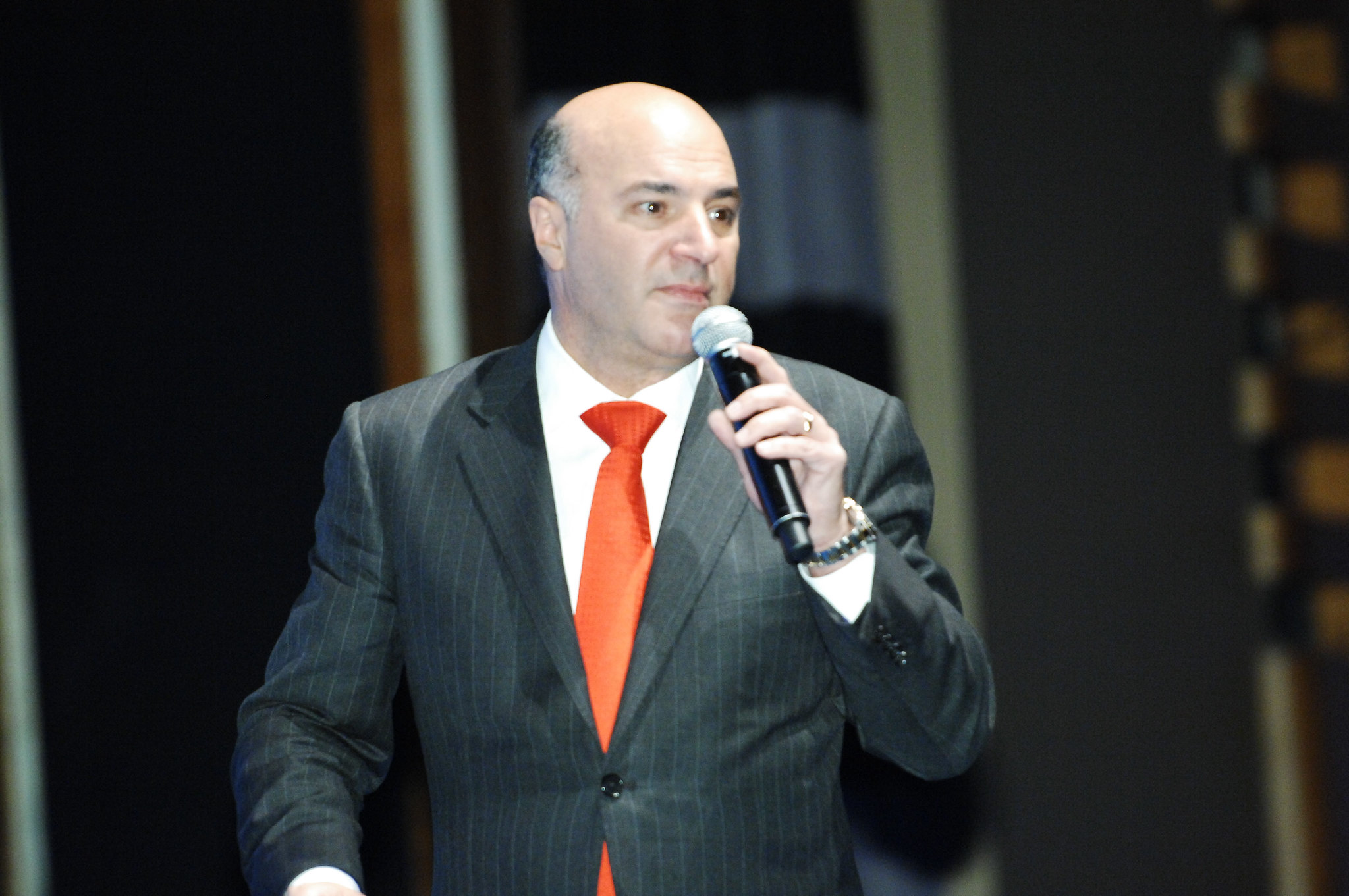
Kevin O’Leary isn’t backing down from his controversial Utah data center project. Following a raucous Box Elder County meeting where residents chanted “Shame! Shame! Shame!” at commissioners, the celebrity investor took to social media with a familiar playbook—question the opposition’s legitimacy.
“We think over 90% of the protesters are actually not people that live in Utah,” O’Leary claimed, suggesting demonstrators were “paid by somebody” and bussed in from outside the state. The dismissive response follows Box Elder County’s unanimous approval of his Stratos Project despite fierce community opposition at a heated public meeting.
The Numbers Behind the Outrage
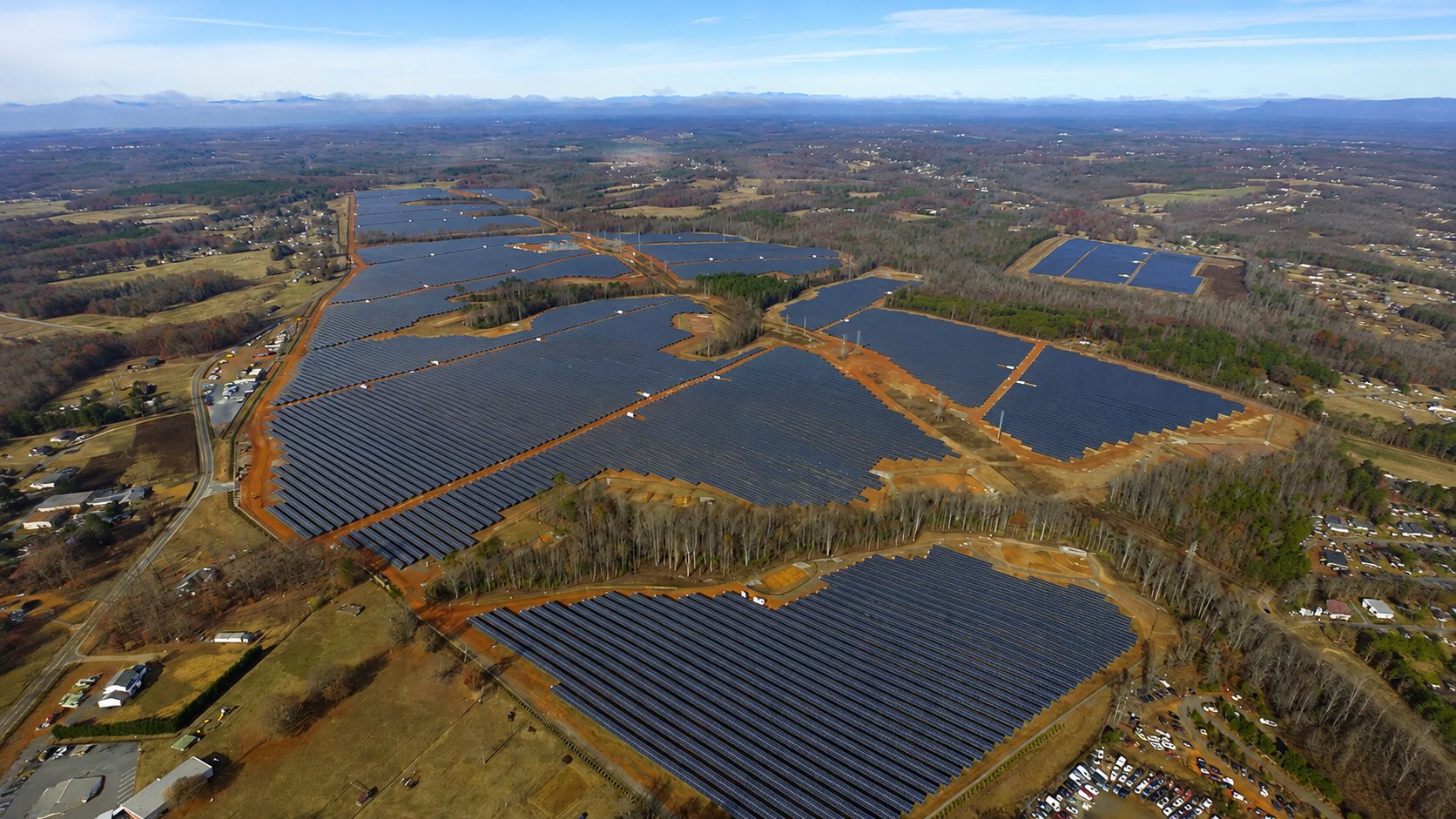
The Stratos Project spans 40,000 acres and would consume 9 gigawatts of power—more than twice Utah’s current electricity usage. That’s enough energy to power roughly 6.8 million homes, all concentrated in Box Elder County.
The facility would increase Utah’s carbon emissions by 50%, primarily powered by natural gas through the Ruby Pipeline. When your data center needs its own power plant, you’ve officially entered hyperscale territory.
Environmental Studies Graduate vs. Environmental Reality
O’Leary defended his environmental awareness, stating he’s “the only developer of data centers on Earth that graduated from Environmental Studies.” He positioned advanced cooling technology and improved battery efficiency as solutions to resource concerns.
Yet the project’s water demands in an already-stressed Great Salt Lake region remain largely unaddressed in his public statements. It’s like claiming expertise in nutrition while supersizing everything on the menu.
County Approval Doesn’t Equal Green Light
Box Elder County’s unanimous approval represents just the first hurdle. Formal protests have already been filed with state engineers, and environmental litigation looms. The project must navigate Utah’s environmental permitting process, where water rights and ecosystem impacts will face closer scrutiny than property rights arguments.
County Commission Chairman Tyler Vincent acknowledged this reality: “This is not the end of the process. It’s the beginning.”
The clash between national security imperatives and environmental stewardship will ultimately play out in state regulatory offices—where O’Leary’s celebrity status carries less weight than water allocation data.