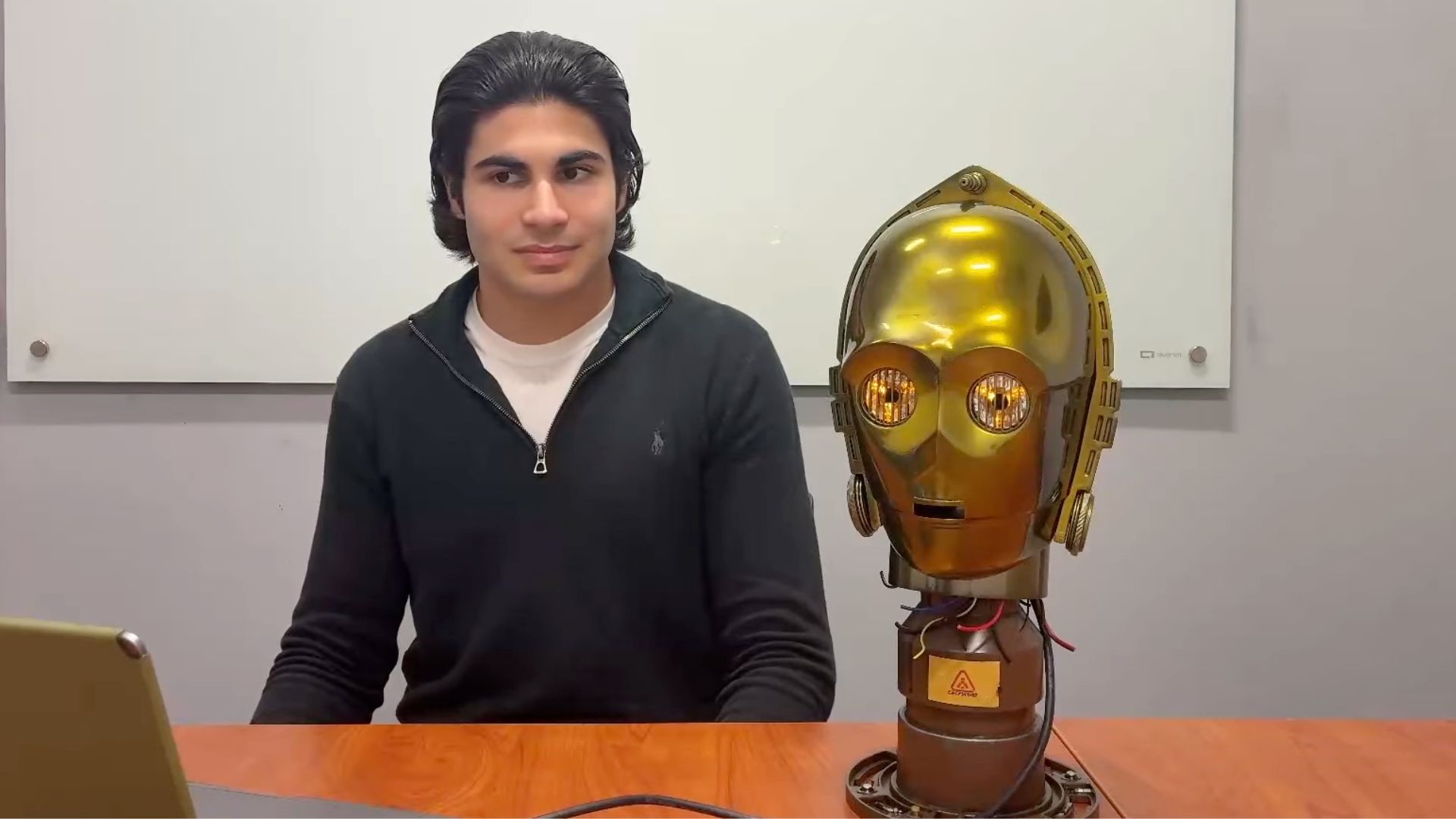
Building a talking droid in your garage just became reality. A researcher at Chapman University transformed desktop 3D printing and a Raspberry Pi into a life-size C-3PO head that responds with the protocol droid’s signature anxious formality. This isn’t elaborate cosplay—it’s proof that advanced robotics have escaped university labs and landed squarely in maker workshops.
The Hardware Sweet Spot
The build starts with standard PLA filament run through most consumer 3D printers. The printed pieces get hand-sanded smooth, primed, then layered with chrome-like base coats and yellow-orange highlights to nail that golden finish. A protective clear coat seals everything—crucial protection for workspace durability. The complete head sits on a custom stand built from readily available materials.
Raspberry Pi Meets Protocol Droid
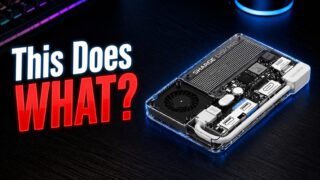
A Raspberry Pi 5 serves as the brain, running the entire AI stack locally. Speech input flows through an integrated microphone while an “exciter” vibrates the entire head shell for immersive audio output—no traditional speakers required. The software pipeline converts speech to text, processes it through a language model, applies C-3PO’s personality filter for formal responses, then generates mechanical-sounding speech effects. Everything runs offline, eliminating privacy concerns and internet dependency.
Open Source Droid Revolution
The project joins a growing movement of accessible AI companions, from ESP32 desk robots with facial expressions to other Raspberry Pi-based assistants. Unlike commercial smart speakers that phone home constantly, these DIY droids keep conversations private while delivering personalized interactions.
Your workshop could host the next protocol droid. The democratization of AI robotics means that what once required research budgets now fits on a maker’s bench—assuming you’re ready for some quality time with sandpaper and patience.