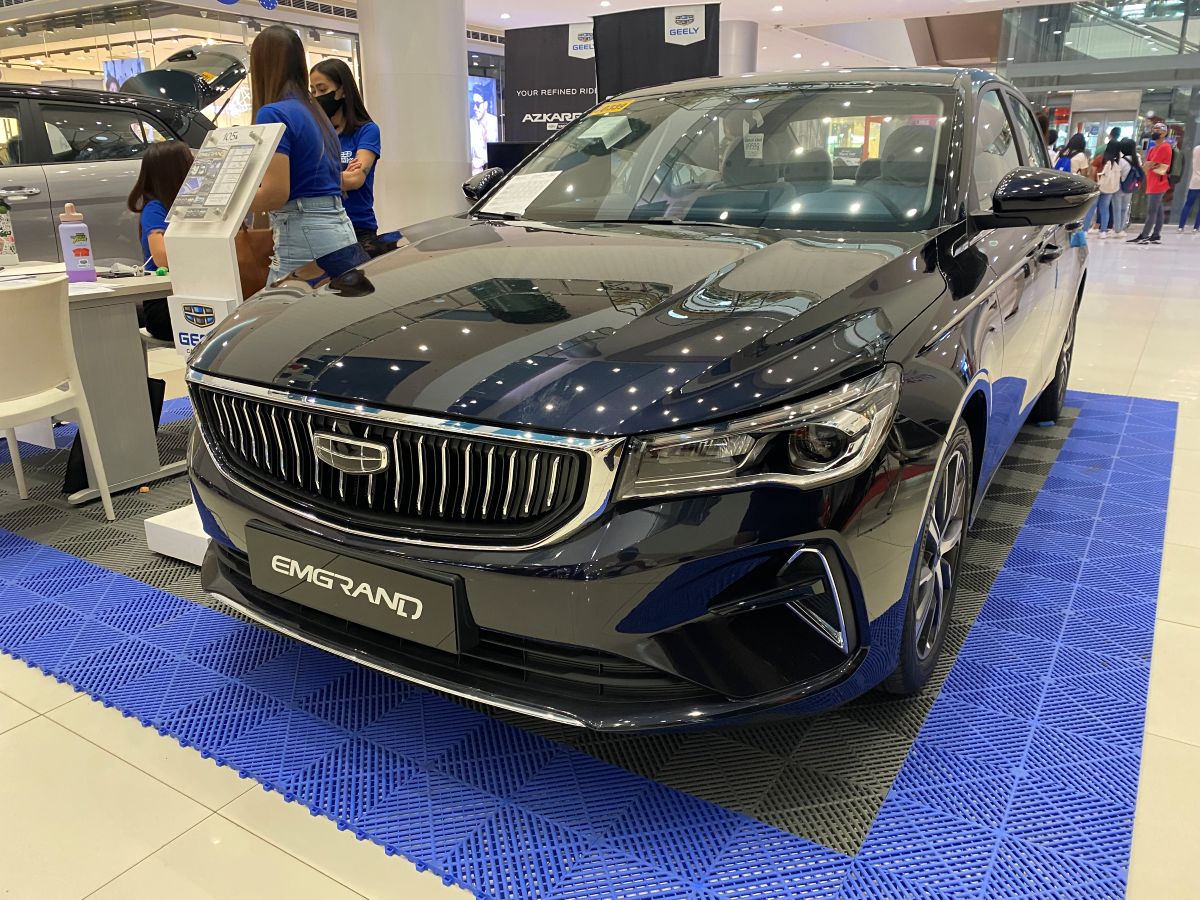
Walk into a Geely dealership in Ciudad Juárez and you’ll find something missing from U.S. lots: new cars under $20,000. The EX2 electric crossover costs roughly twenty grand. The Emgrand sedan? Seventeen thousand. Both pack 360-degree cameras, advanced infotainment, and build quality that would make Detroit nervous.
Luis Hernandez, a Geely salesman, confirms what El Paso dealers already know: Mexican citizens and dual nationals regularly drive these vehicles across the border. Legal? Absolutely. Available for purchase by U.S. residents? Absolutely not.
This creates the automotive equivalent of Netflix’s geo-blocking problem—except the content on the other side actually costs less and works better.
The Great Wall of Tariffs
U.S. lawmakers push for total Chinese automotive isolation.
America’s response involves building higher walls. Senator Bernie Moreno’s proposed legislation would “hermetically seal” the U.S. market—blocking vehicles from Mexico and Canada if they contain Chinese components, banning joint ventures, and forcing Geely to divest Volvo and Polestar by 2030.
Congressional letters urge the Trump administration to expand restrictions. The panic feels justified when you consider Hyundai CEO José Muñoz’s stark assessment: it’s “impossible to compete” with Chinese cars.
Chinese brands now capture 25% of Mexico’s market. BYD sold 60,000 vehicles there in 2025. GAC will open Mexico’s first Chinese-owned plant by mid-2026, producing locally to dodge Mexico’s 50% import tariffs.
Innovation Meets Protectionism
American consumers increasingly want what they can’t have.
The forbidden fruit grows more tempting. Thirty percent of Americans now express openness to Chinese cars—up fifteen points in a decade. They’re responding to genuine innovation: BYD’s Song Pro hybrid delivers serious range, while Great Wall Motors builds SUVs that dwarf anything Detroit offers at comparable pricing.
Nissan Americas chairman Christian Meunier captures the inevitability: “They’re going to find a way.”
That way increasingly runs through Mexico, where manufacturing costs stay low and USMCA benefits remain intact. Chinese automakers learned from early failures—remember when Geely’s 2006 sub-$10,000 sedan looked hopelessly outdated? Today’s offerings rival premium European features.
The collision between consumer desire and political protection creates an unsustainable tension. Your car-buying options remain artificially limited while superior alternatives idle just across an increasingly meaningless border.