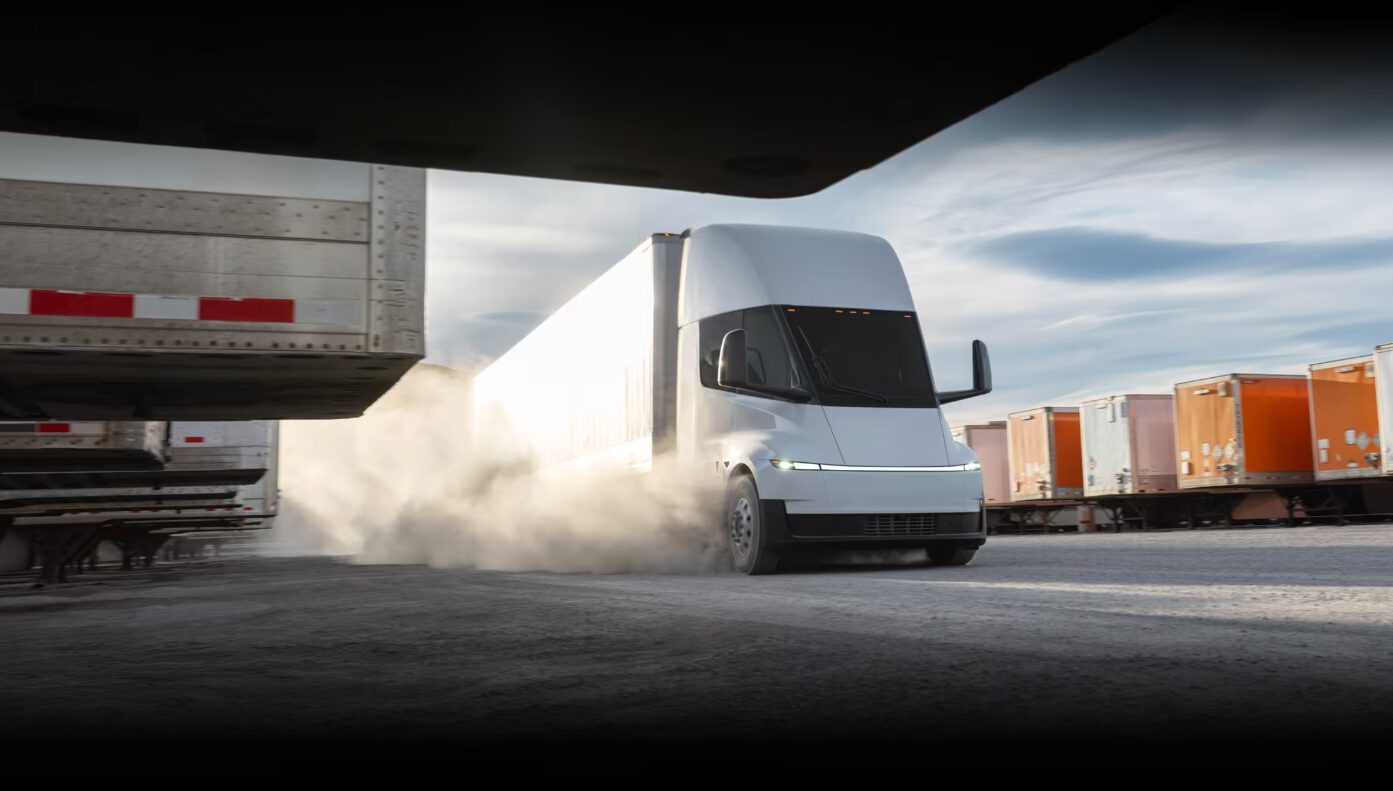
Diesel trucking’s century-long monopoly just hit its Blockbuster moment. Tesla’s Semi delivers up to 500-mile range with around 400 miles in real-world testing while competitors struggle with shorter distances. The efficiency gap stings worse: Tesla achieves 1.7 kWh per mile versus Freightliner’s 2.1 and Volvo’s 2.3. When your truck burns through 35% less energy than rivals, operating costs of 23 cents per mile suddenly make diesel’s economics look prehistoric.
Drivers Actually Want These Electric Rigs
Pilot programs reveal unexpected enthusiasm among professional truckers.
Fleet pilots spanning 13.5 million miles tell the real story. Drivers praise the centered seating position for superior visibility and the instant torque that eliminates gear-shifting fatigue. “Feels quieter, quicker, and far less physically demanding,” according to pilot feedback from companies like PepsiCo and ArcBest. The regenerative braking recovers 70-80% of energy on downhill grades—turning physics into profit. Even Jay Leno marveled at the turning radius and power delivery under heavy loads.
Legacy Giants Scramble for Relevance
Freightliner and Volvo’s electric efforts highlight how far behind they’ve fallen.
Freightliner’s eCascadia has accumulated 700,000 test miles, but those numbers expose the performance gap. Their 536 horsepower feels anemic against Tesla’s 1,000 hp, while their 90-minute charging time makes Tesla’s 30-minute Megacharger sessions look like Formula 1 pit stops. Volvo secured orders for 126 electric trucks, yet their VNR delivers just 455 horsepower. These aren’t competitive responses—they’re participation trophies.
The Diesel Death Spiral Accelerates
EPA mandates and Tesla’s success create a perfect storm for traditional trucking.
EPA regulations demanding 40% fuel economy improvements by 2027 already pressured diesel manufacturers. Tesla’s proven efficiency gains make those targets look conservative. With Tesla planning 50,000-unit annual production and roughly 1,000 orders secured, the electric transition shifts from possibility to inevitability. Fleet operators will see logistics costs drop, emissions will plummet, and the rumble of diesel engines becomes as nostalgic as vinyl records—charming, but ultimately obsolete in an industry that finally discovered the future runs on electrons, not exhaust.