Automotive overengineering strikes when brilliant minds decide “good enough” isn’t good enough—then triple down on complexity. These vehicles showcase what happens when engineers get carte blanche and decide to reinvent the wheel, literally and figuratively. From military-grade SUVs tackling grocery runs to luxury sedans requiring PhD-level maintenance, this collection celebrates automotive ambition at its most gloriously excessive. Sometimes genius, sometimes madness, always memorable.
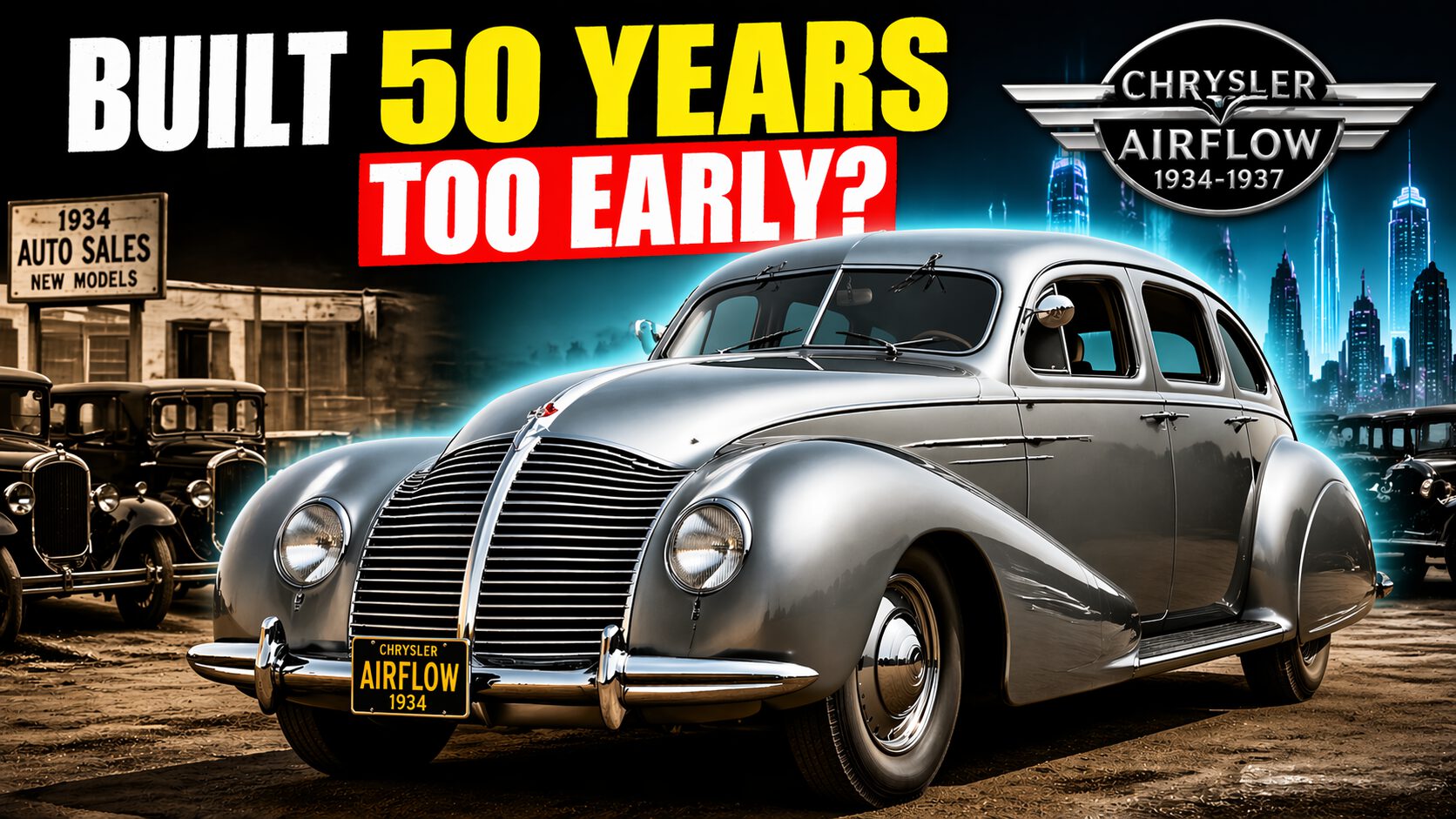
24. Chrysler Airflow (1934-1937) (Exterior)
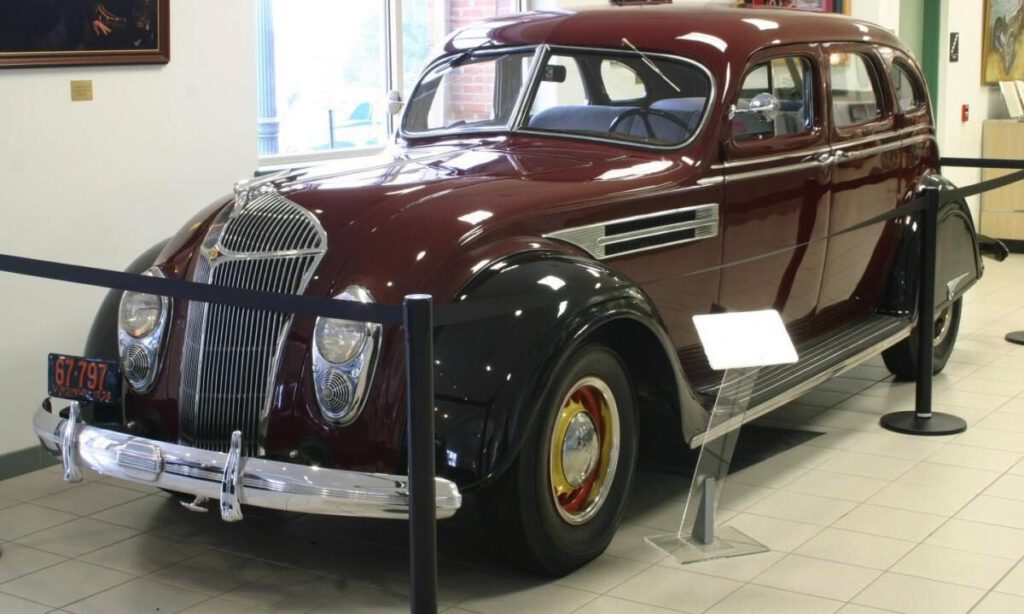
Pioneering aerodynamics and unibody construction decades before the world was ready.
This streamlined spaceship landed in 1934 showrooms like a time traveler showing up to a horse-and-buggy convention. The Airflow pioneered aerodynamic design and unibody construction—engineering solutions for problems consumers hadn’t realized existed. Imagine parking this futuristic marvel next to boxy Fords; neighbors probably thought Buck Rogers had moved in.
Chrysler Airflow (1934-1937) (Interior)
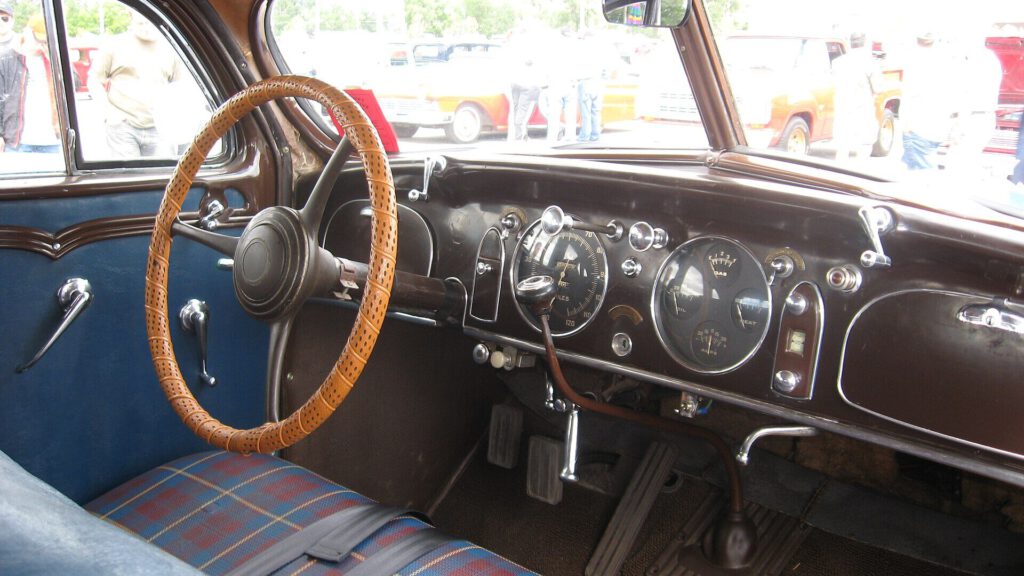
The failure wasn’t engineering inadequacy but timing catastrophe. Streamlined bodywork and advanced weight distribution predicted future automotive developments by decades. Consumer rejection demonstrated that engineering innovation requires market readiness—like explaining streaming to someone still winding VHS tapes.
23. Tucker 48 (1948) (Exterior)
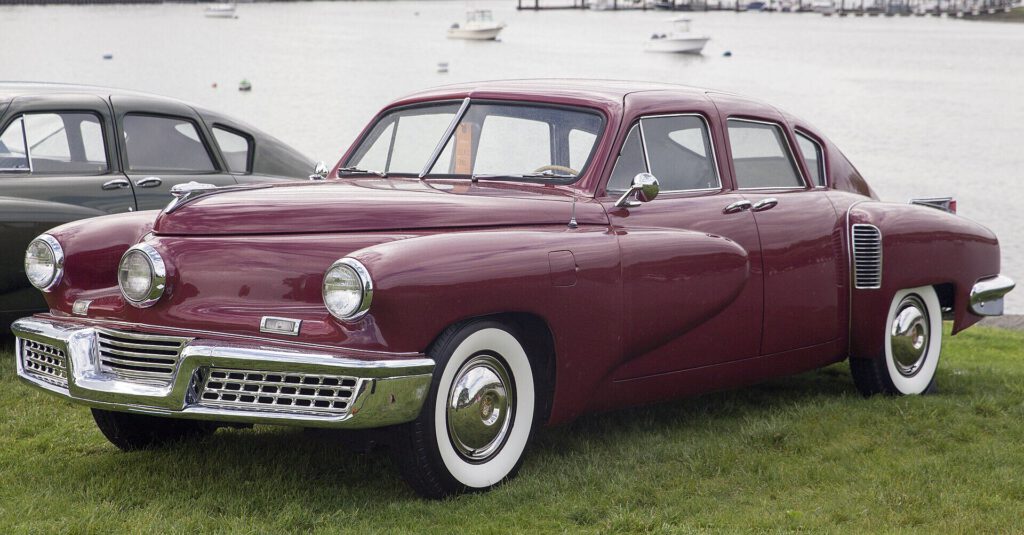
Safety features and rear-engine design that anticipated modern automotive standards.
Preston Tucker’s 1948 vision packed rear-mounted engines, disc brakes, and safety features decades ahead of contemporary standards. Padded dashboards and safety glass seemed straight from science fiction compared to industry norms. Tucker essentially invented tomorrow’s car in yesterday’s market.
Tucker 48 (1948) (Interior)
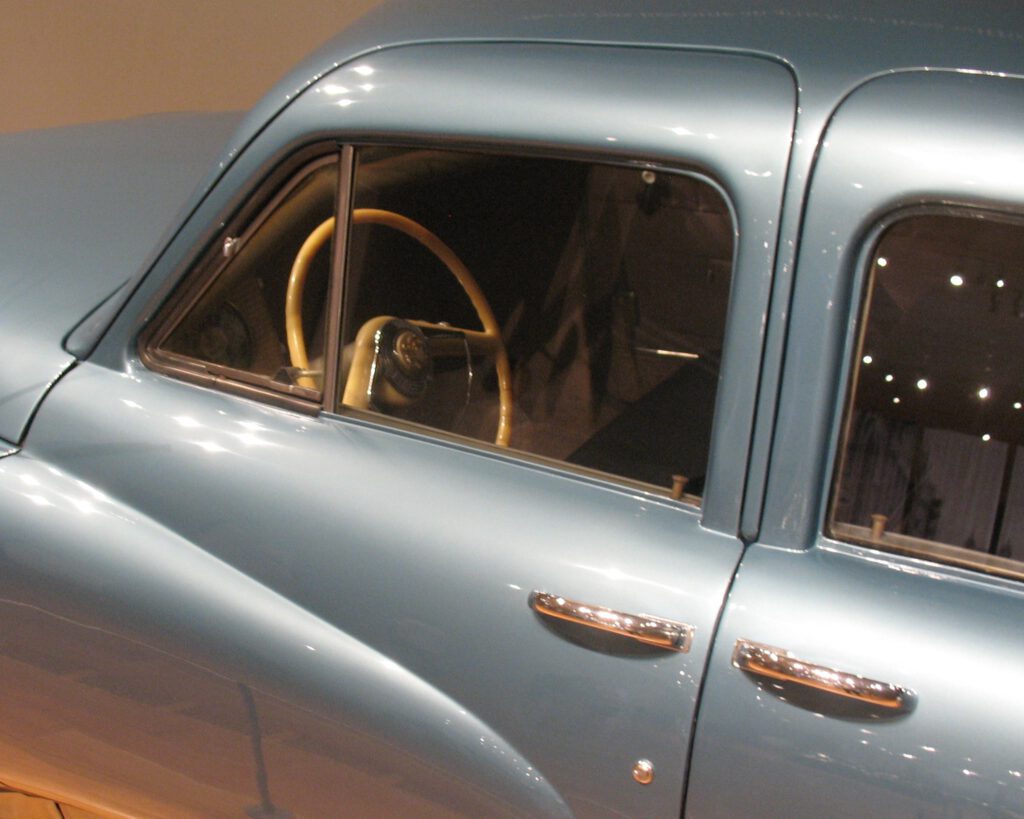
Limited to 51 units, reliability data remains scarce, but innovation was undeniable. Tucker’s challenge wasn’t overengineering—it was premature engineering. Had resources matched ambition, we might have enjoyed safer vehicles decades earlier. Sometimes being right too early feels like being wrong.
22. NSU Ro80 (1967-1977) (Exterior)
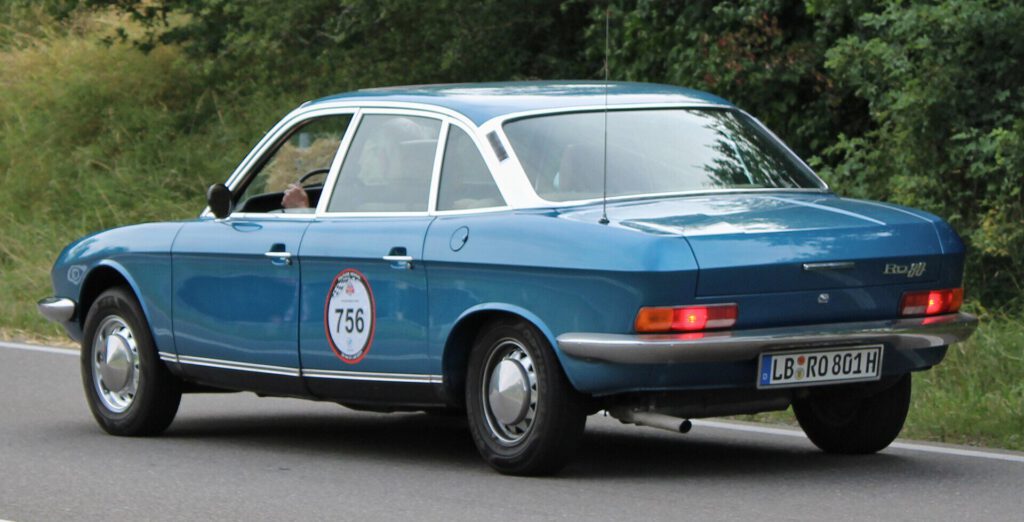
Wankel rotary engine technology that promised smooth operation but delivered maintenance nightmares.
The 1967 Ro80 gambled everything on Wankel rotary engine technology, promising smooth operation and compact packaging. This engineering leap felt like discovering fire—until reliability issues turned ownership into expensive lessons in automotive humility. The rotary design suffered seal failures requiring frequent rebuilds.
NSU Ro80 (196-1977) (Interior)
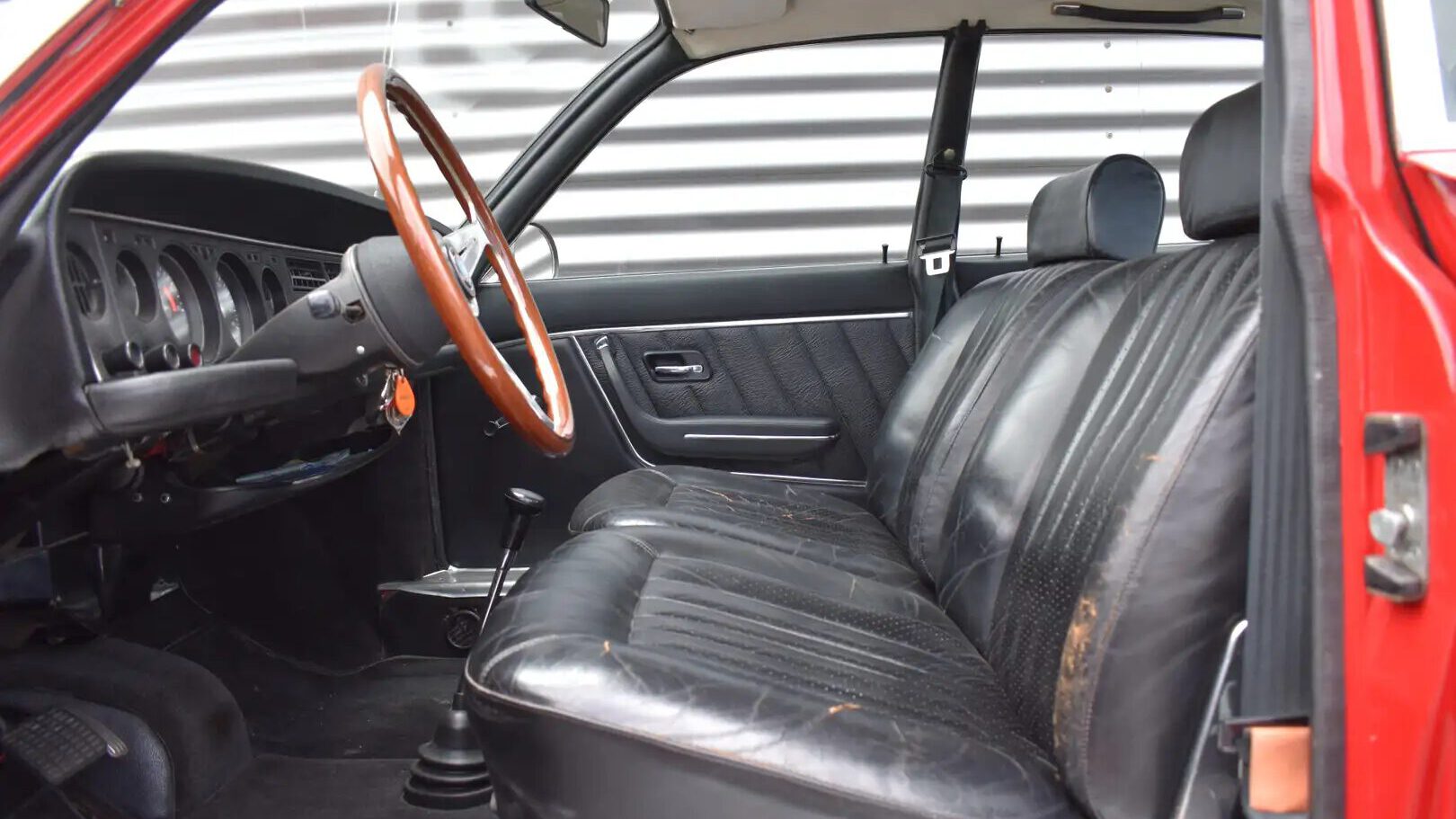
Technological ambition exceeded manufacturing capabilities, creating vehicles that impressed engineers while frustrating owners. Balancing innovation with dependability remains every automaker’s tightrope walk. The Ro80 proved that revolutionary technology needs evolutionary refinement.
21. Citroen SM (1970-1975) (Exterior)
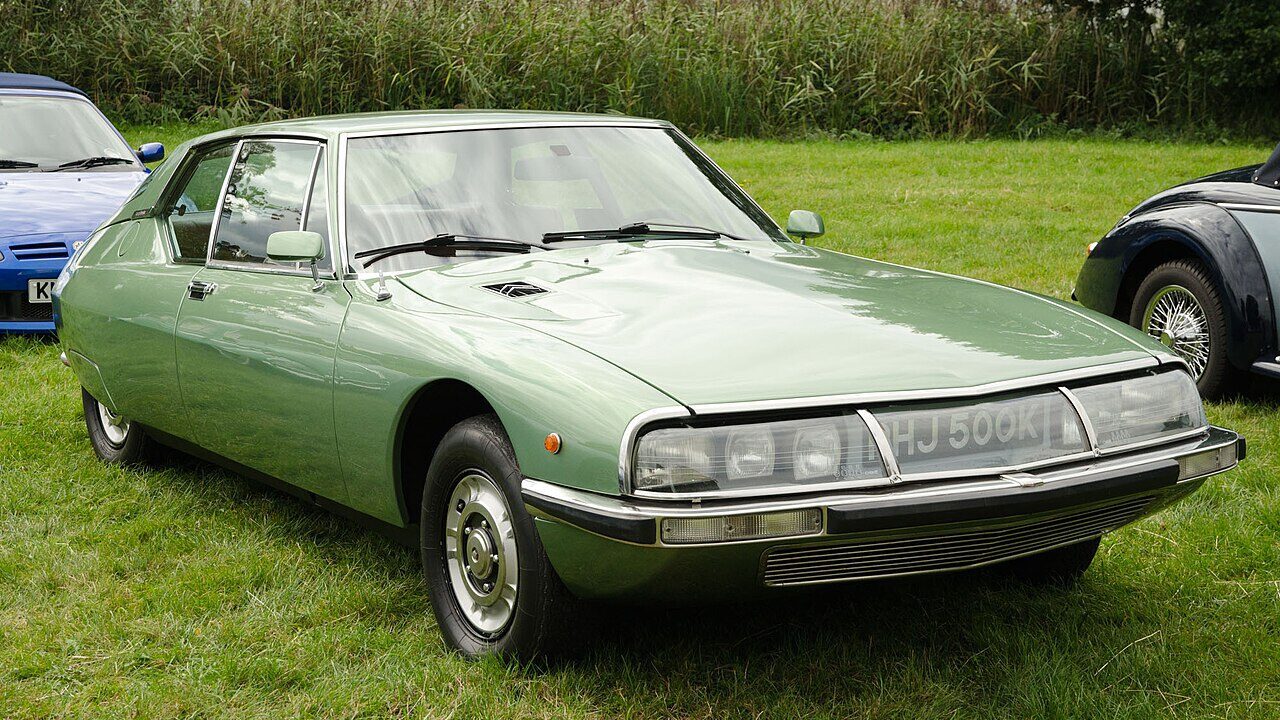
Maserati V6 power combined with revolutionary hydropneumatic suspension systems.
The SM married Maserati V6 engineering with hydropneumatic suspension, creating automotive foreplay that made mechanics sweat. This Italian-French collaboration delivered self-centering steering and advanced aerodynamics wrapped in complex engineering that challenged conventional repair wisdom.
Citroen SM (1970-1975) (Interior)
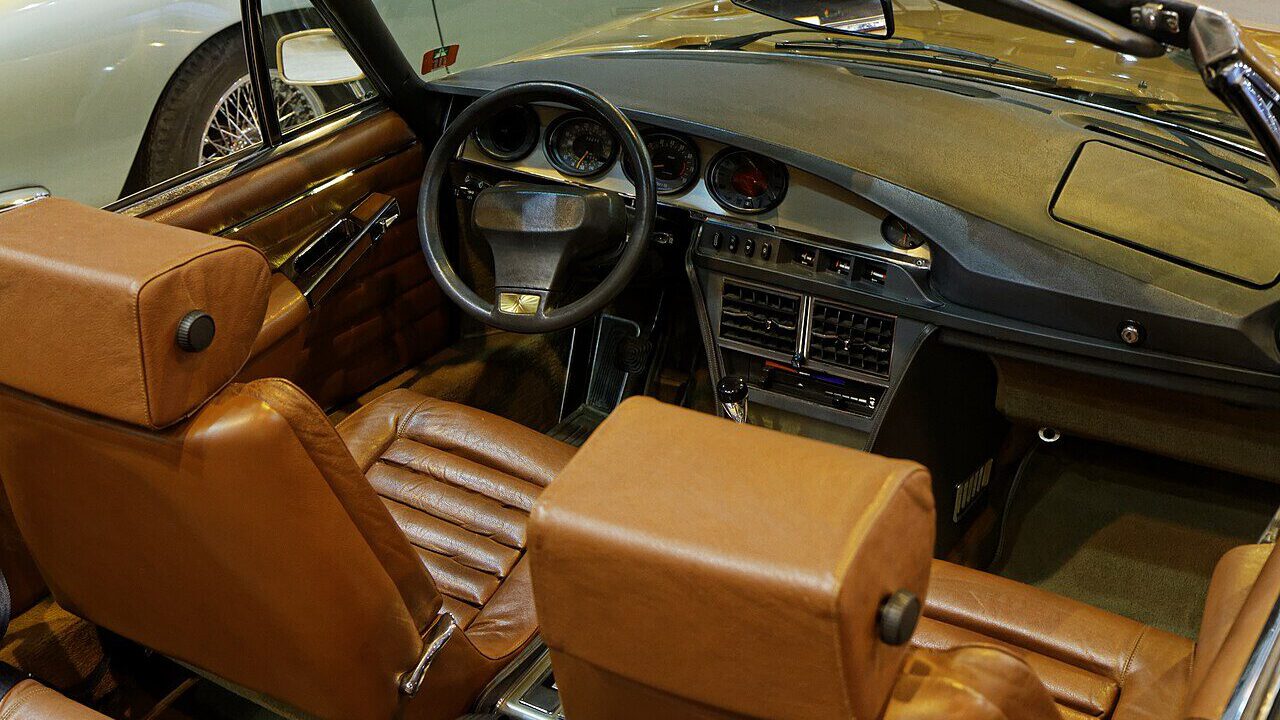
Complex suspension promised cloud-like rides, though achieving that smoothness required specialized knowledge and expensive maintenance. The SM represented ambitious experimentation where engineering excellence created devoted followers despite practical complications. Sometimes the journey matters more than the destination.
20. Volvo 240 (1974-1993) (Exterior)
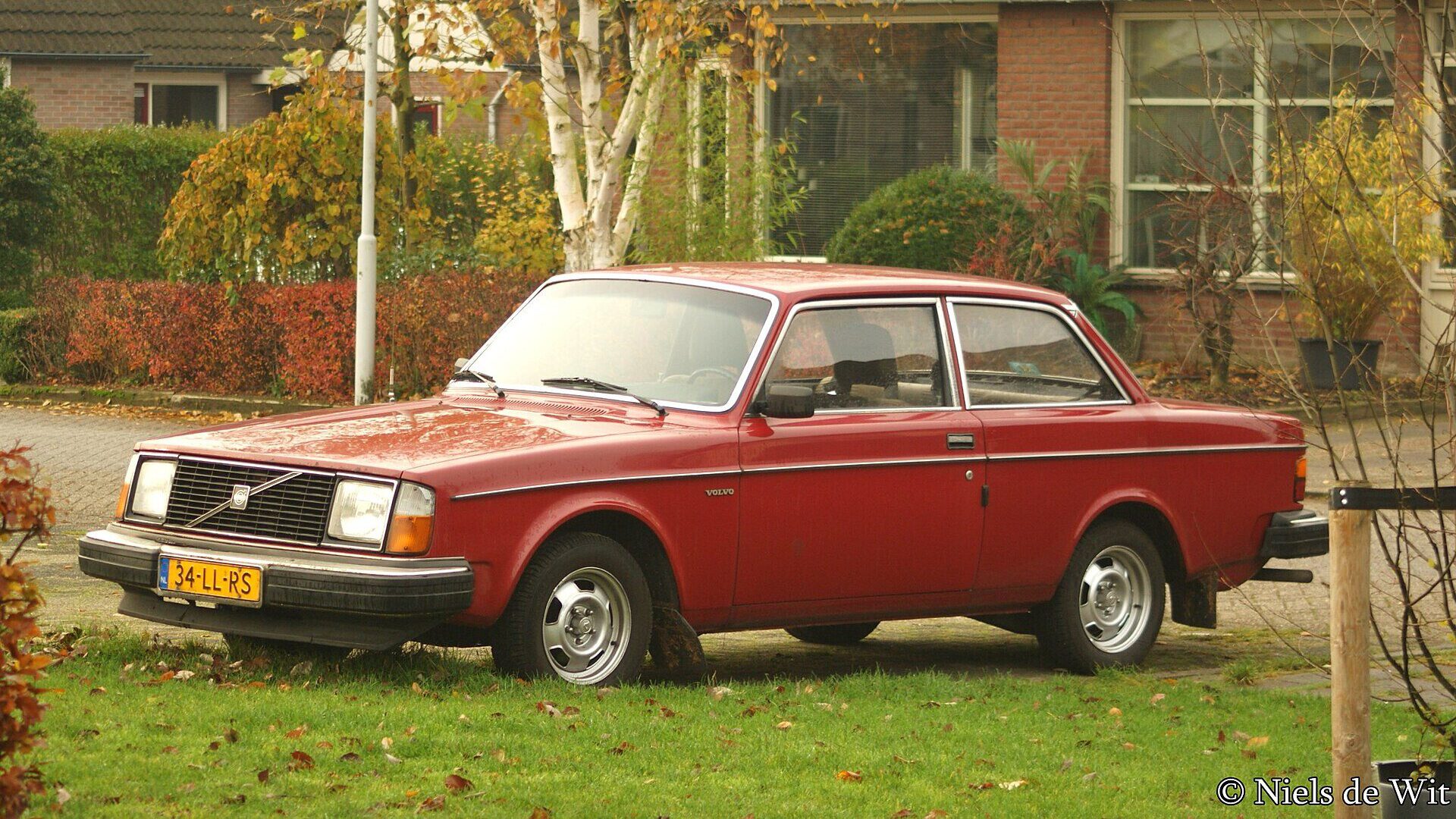
Safety and durability engineering that exceeded government requirements by substantial margins.
Before mandatory seatbelt laws, Volvo prioritized safety over style with the brick-shaped 240. Robust chassis construction and reinforced passenger compartments surpassed government requirements substantially. While competitors rusted into automotive graveyards, the 240 aimed for immortality.
Volvo 240 (1974-1993) (Interior)
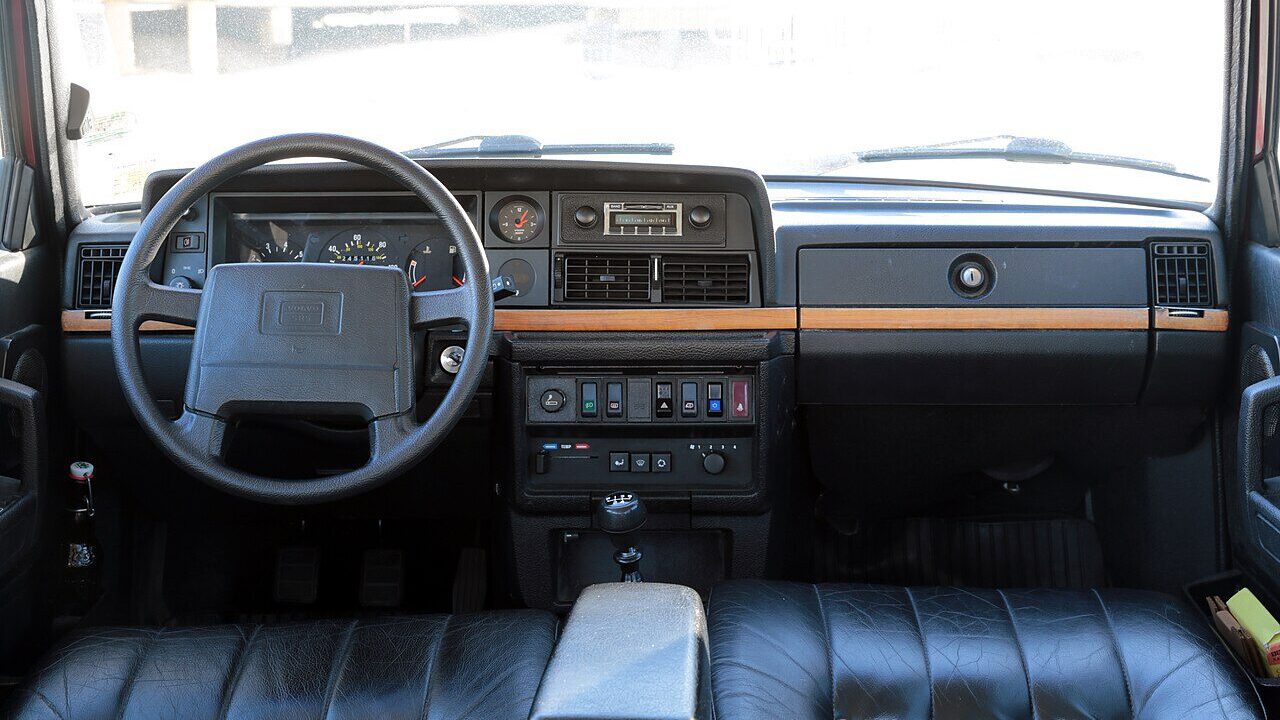
Families reliably accumulated 500,000 miles with minimal maintenance, establishing Volvo’s safety-first reputation. This focus on occupant protection and vehicle longevity continues influencing their engineering philosophy. Sometimes looking like a refrigerator on wheels beats looking pretty in junkyards.
19. Mercedes-Benz W123 (1976-1986) (Exterior)
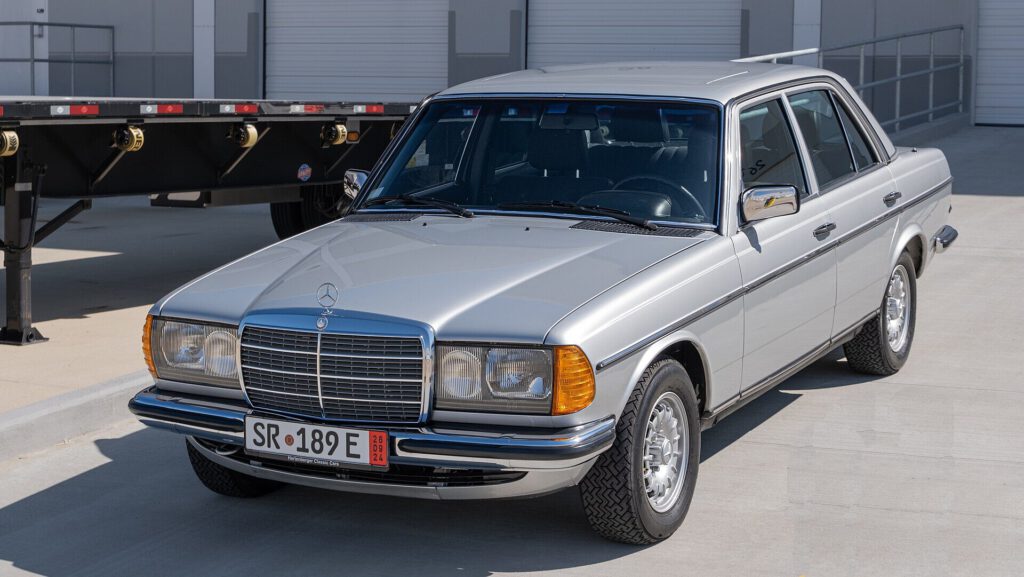
Durability engineering designed for millions of miles under extreme conditions.
The W123 laughed at planned obsolescence with durability standards approaching mythical status. The OM617 diesel engine was rumored capable of million-mile operation—and some actually achieved it. One Greek taxi driver logged 2.9 million miles, basically driving to the moon six times.
Mercedes-Benz W123 (1976-1986) (Interior)
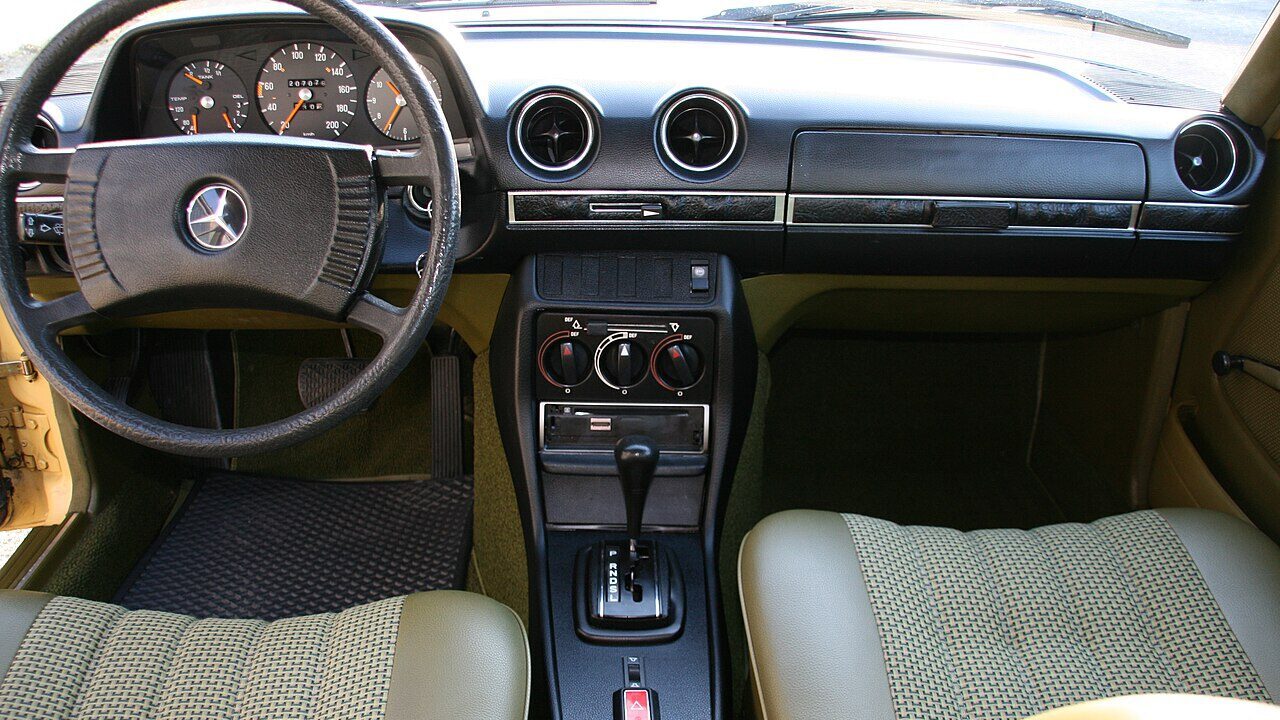
Manufacturing techniques multiplied production costs but created exceptional longevity rarely matched today. Mercedes prioritized long-term quality over short-term savings, producing vehicles appreciating in value due to exceptional durability. Modern automotive disposability makes the W123 seem increasingly precious.
18. Aston Martin Lagonda (1976-1990) (Exterior)
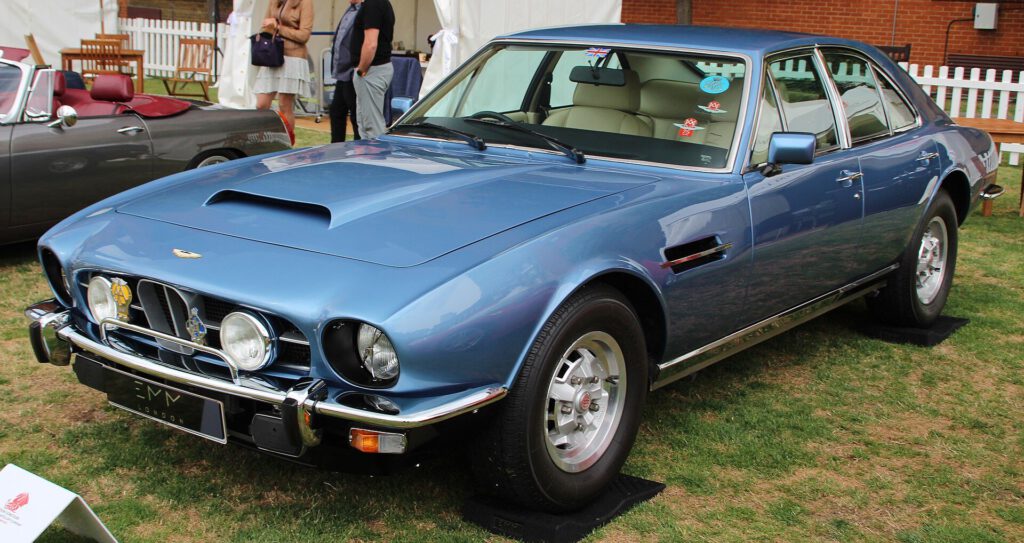
Digital dashboard technology decades ahead of contemporary electronic capabilities.
The Lagonda went full HAL 9000 with digital dashboard displays requiring custom computer systems. This electronic ambition exceeded 1970s technological capabilities, creating reliability problems throughout production. Advanced features impressed initially but generated maintenance nightmares damaging Aston Martin’s reputation.
Aston Martin Lagonda (1976-1990) (Interior)
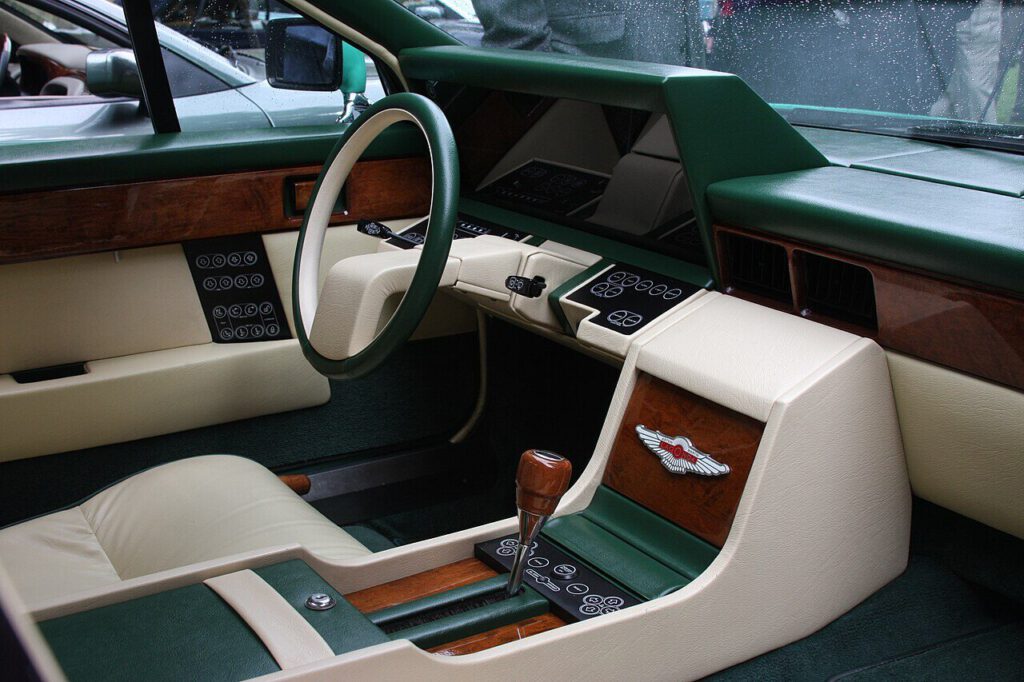
Complex electronics failed frequently despite innovative concepts, like expecting flip phones to run modern video games. Owning one resembled living in low-budget science fiction—impressive one moment, broken the next. Engineering ambition exceeded available technology by dangerous margins.
17. Audi Quattro (1980-1991) (Exterior)
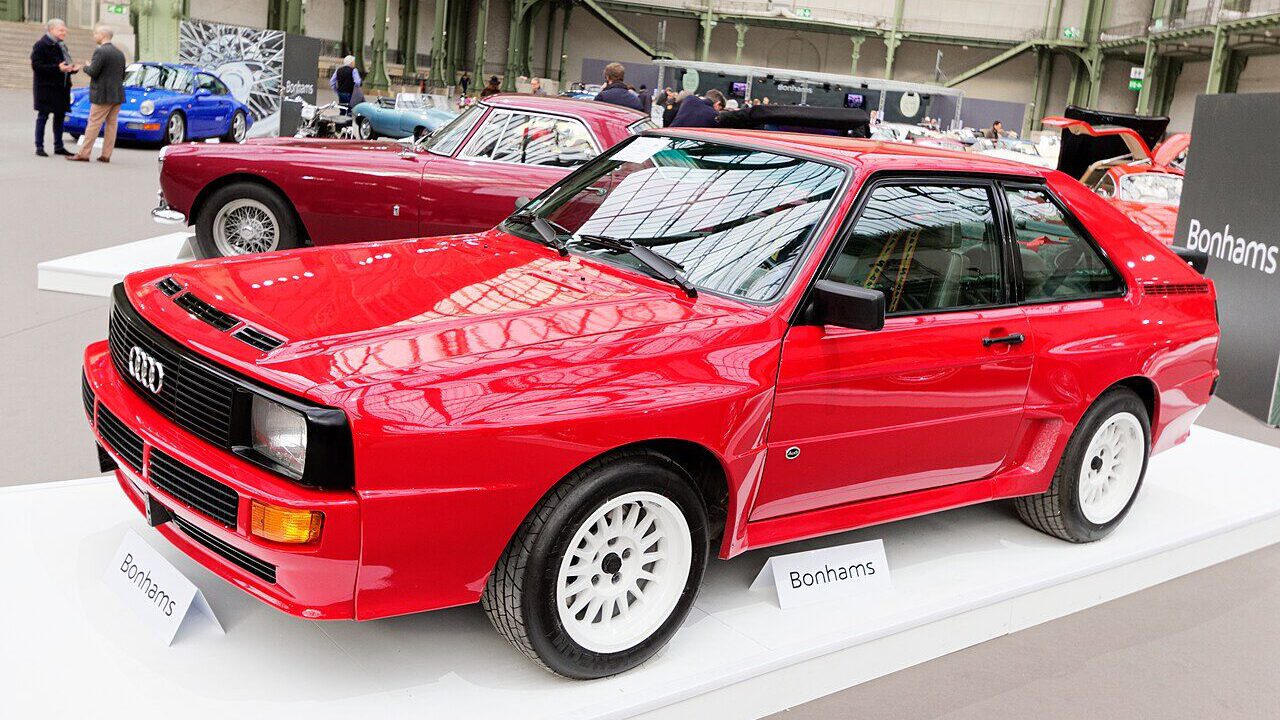
All-wheel drive systems that revolutionized automotive engineering and rally racing.
The 1980 Quattro pioneered all-wheel drive for production vehicles, establishing new automotive standards. Complex drivetrain systems distributed power through mechanisms multiplying mechanical complexity, paired with turbocharged engines adding further engineering challenges. Rally success demonstrated engineering effectiveness while highlighting required complexity.
Audi Quattro (1980-1991) (Interior)
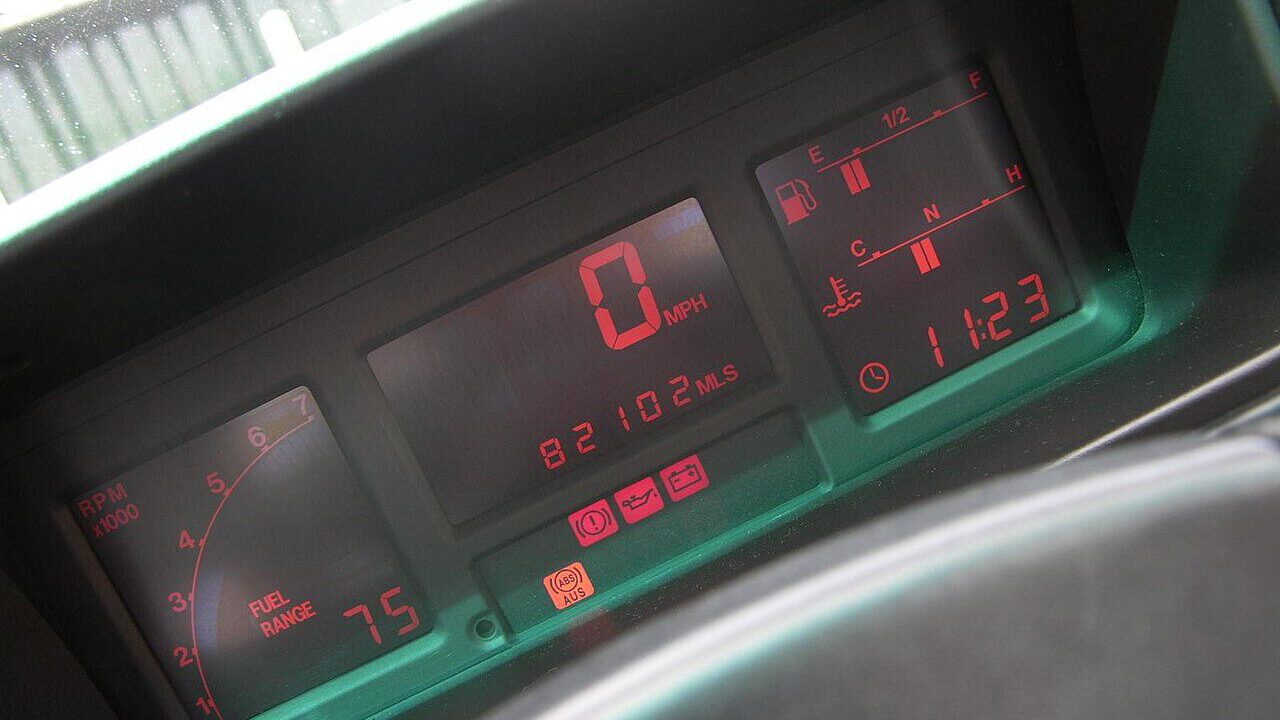
Good reliability for its era, though maintenance costs reflected engineering ambition. All-wheel drive required new manufacturing techniques and supplier relationships. Production costs reflected engineering complexity, but market acceptance justified investment. Sometimes pushing boundaries creates lasting industry transformation.
16. DeLorean DMC-12 (1981-1983) (Exterior)
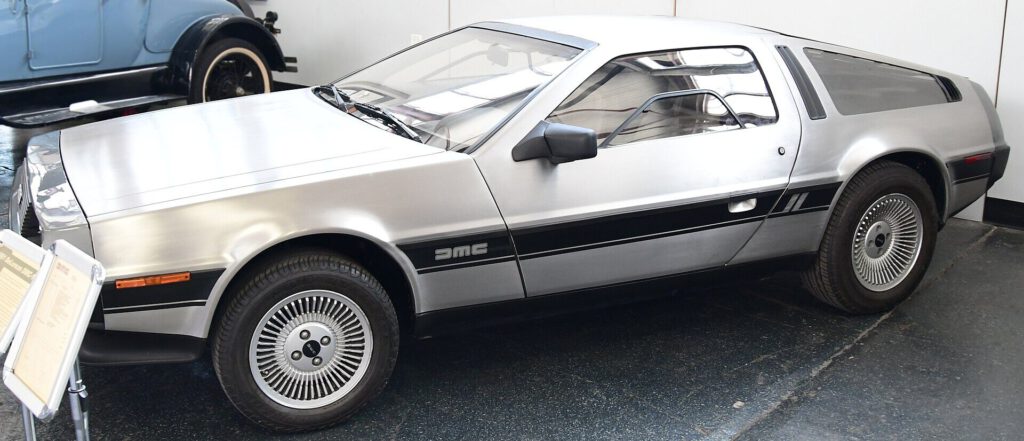
Stainless steel construction and gullwing doors that challenged manufacturing conventions.
Stainless steel body construction created manufacturing challenges multiplying production costs exponentially. John DeLorean’s futuristic vision required engineering solutions pushing automotive manufacturing beyond reasonable limits. Gullwing doors needed complex mechanisms adding weight and potential failure points.
DeLorean DMC-12 (1981-1983) (Interior)
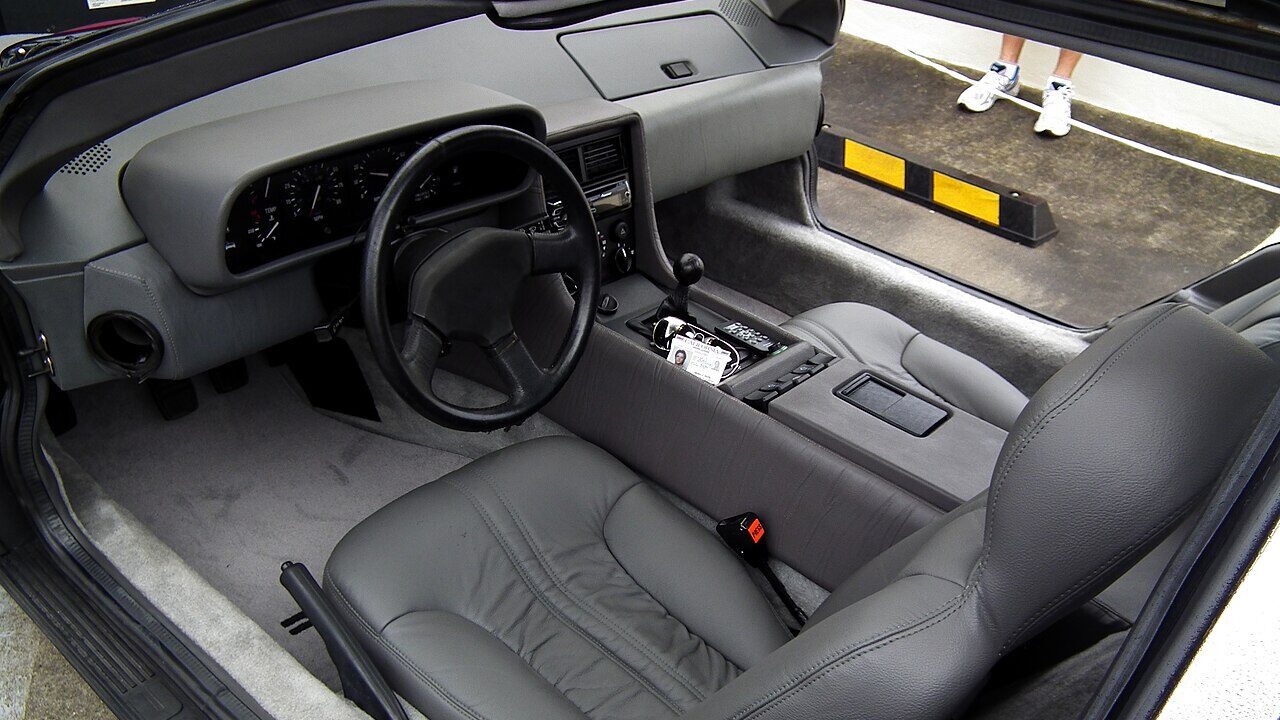
Quality issues resulted from rushed production unable to solve engineering challenges adequately. Engineering represented solutions to aesthetic requirements creating practical problems. The DMC-12 proved that visionary design needs realistic manufacturing capabilities—and adequate funding.
15. Mercedes-Benz W124 (1984-1995) (Exterior)
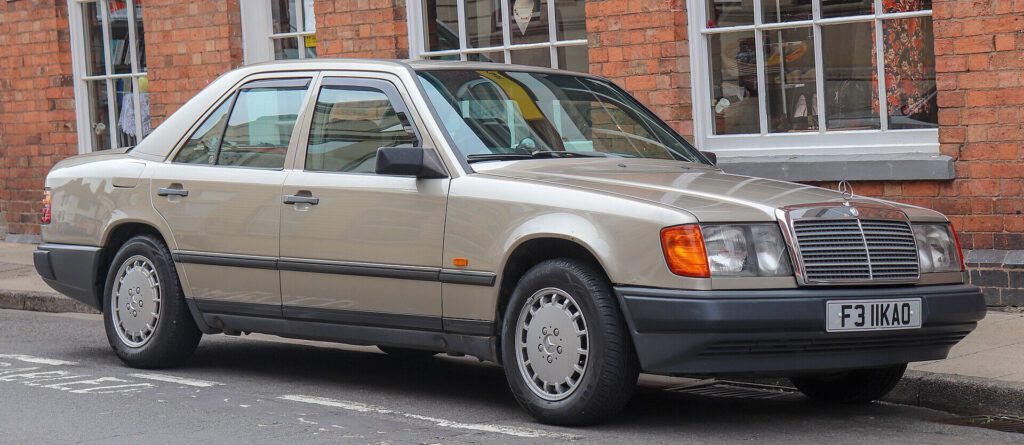
Robust construction exceeding material and manufacturing tolerance requirements.
While planned obsolescence became industry standard, Mercedes engineered the W124 to survive conditions destroying contemporary vehicles. Robust construction included advanced suspension systems and durable diesel engines creating longevity surprising Mercedes engineers. Manufacturing quality achieved levels modern automated production rarely matches.
Mercedes-Benz W124 (1984-1995) (Interior)
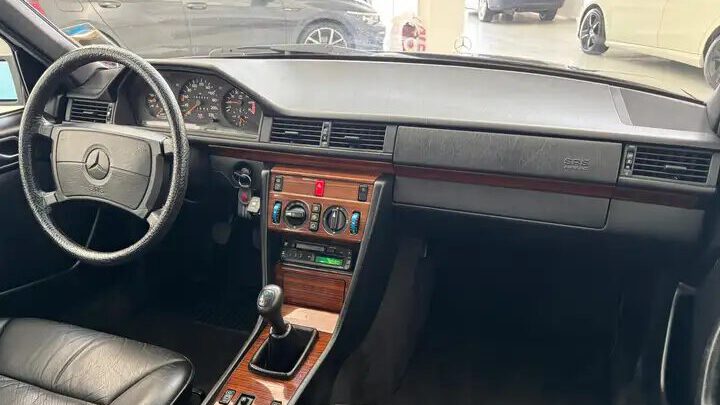
Enthusiast circles consistently cite W124 examples exceeding 500,000 miles with minimal major repairs. Overengineering created vehicles appreciating in value due to exceptional durability. Engineering philosophy prioritized durability over cost efficiency, creating devoted following among practical buyers.
14. Lamborghini LM002 (1986-1993) (Exterior)
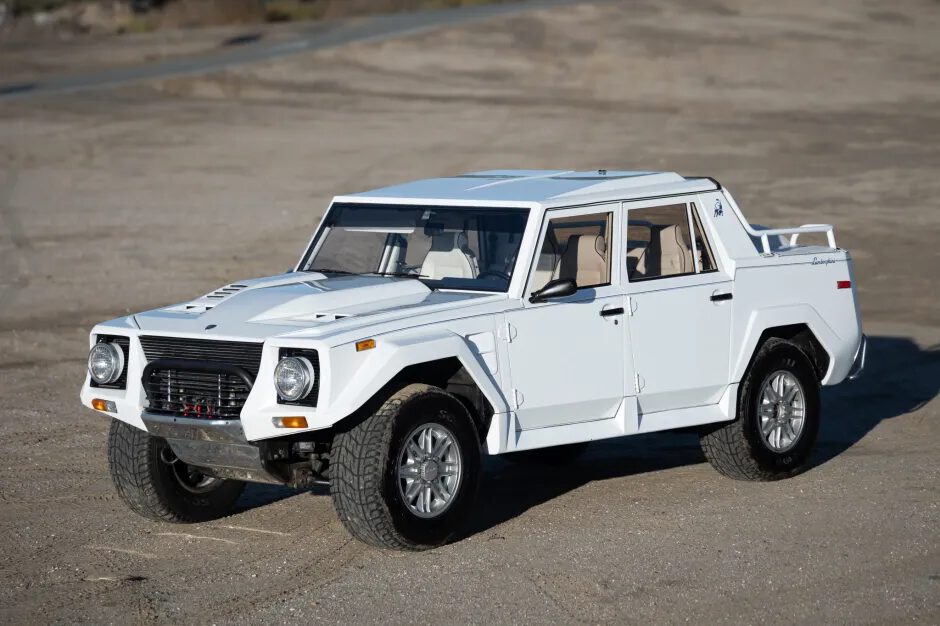
Supercar engineering applied to off-road capability in automotive excess defying rational explanation.
The LM002 combined Countach 5.2 engineering with off-road capability, asking whether supercar engines could thrive off-road. Lamborghini answered with resounding impracticality. Massive tires and luxury interior added complexity while fuel consumption reached levels making practical use impossible.
Lamborghini LM002 (1986-1993) (Interior)
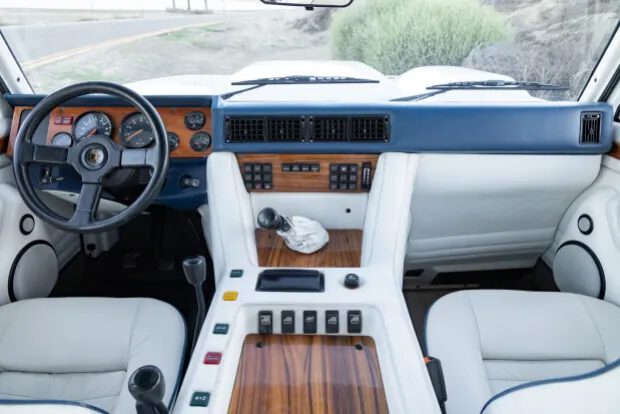
Engineering challenges of cooling high-performance engines in off-road conditions pushed Lamborghini beyond expertise. Rarity limits comprehensive reliability data, though maintenance costs confirm engineering complexity. The LM002 represented peak 80s automotive absurdity.
13. Lexus LS400 (1989-2000) (Exterior)
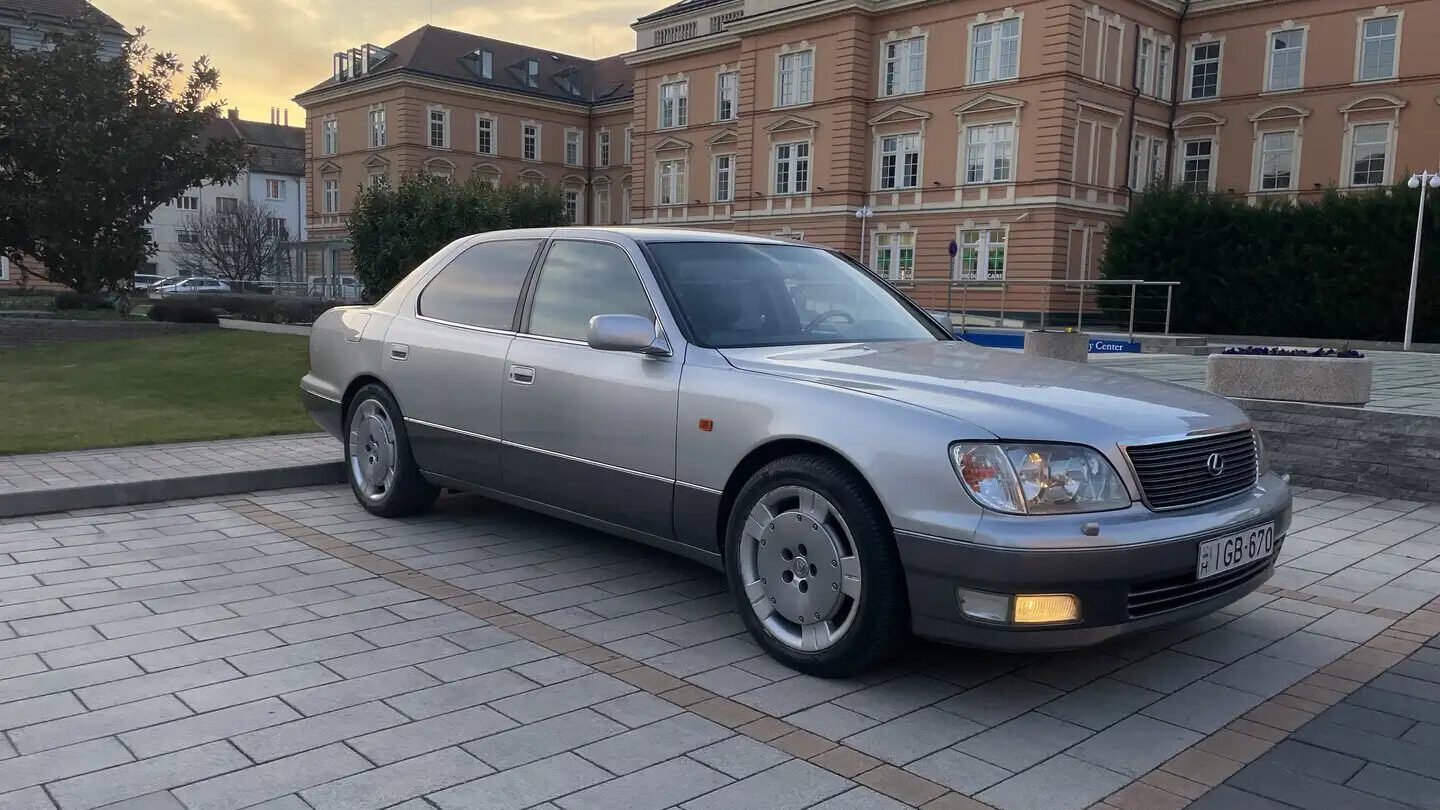
Over $1 billion development investment creating luxury sedan engineering excellence.
Toyota invested over $1 billion developing the LS400, making statements about luxury market intentions. Extensive testing exceeded typical automotive development by enormous margins, while quality materials and manufacturing precision created surprising durability. Consumer Reports rated highly for reliability, establishing Lexus as serious luxury competitor.
Lexus LS400 (1989-2000) (Interior)
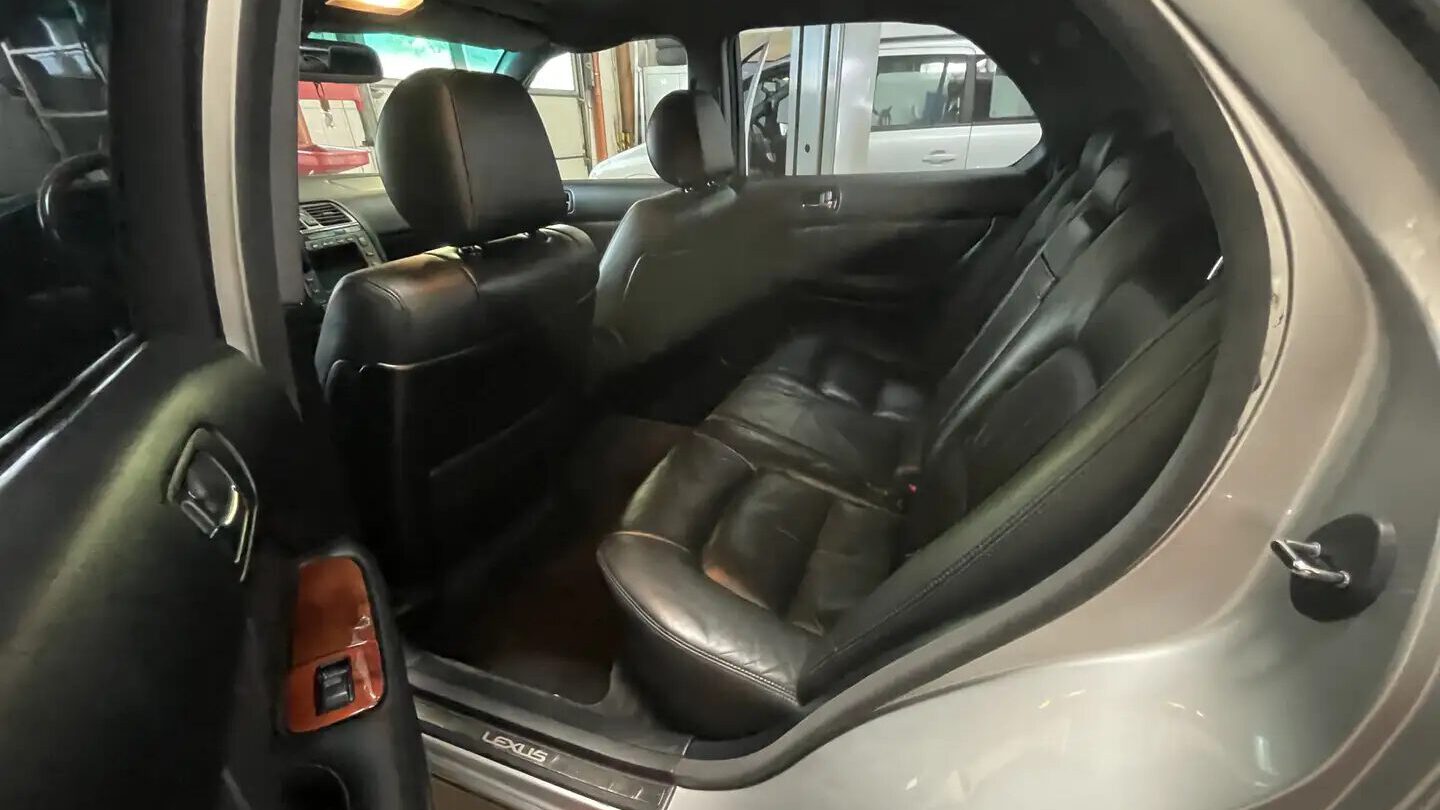
Engineering philosophy prioritized long-term quality over short-term cost savings. Every component received development attention multiplying production costs but creating exceptional ownership experience. Maintenance costs remained reasonable despite engineering complexity—proving overengineering can occasionally work commercially.
12. Honda NSX (1990-2005) (Exterior)
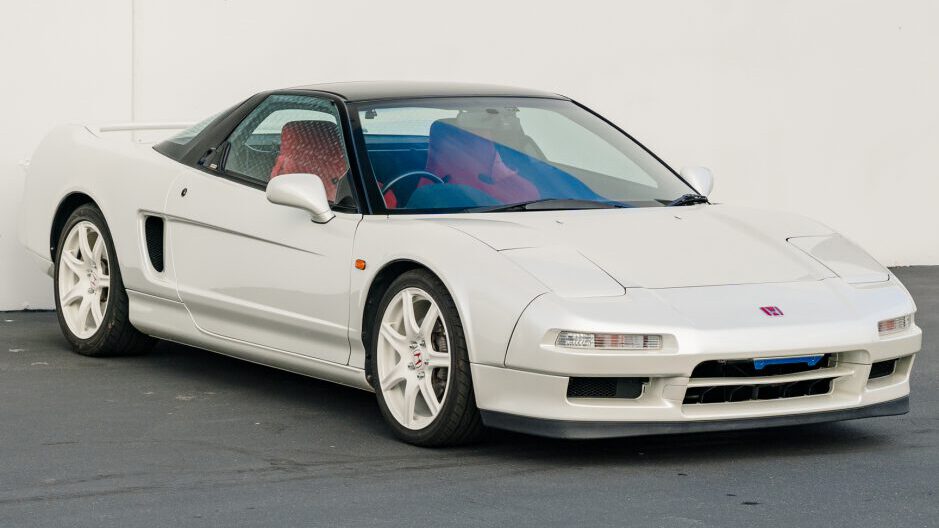
Aluminum monocoque chassis using revolutionary manufacturing techniques for supercar performance.
The NSX‘s aluminum monocoque chassis used revolutionary manufacturing techniques proving Japanese engineering could rival European supercars. Mid-engine layout and advanced aerodynamics required engineering solutions pushing Honda beyond expertise. Enthusiast reviews consistently praise reliability despite supercar performance.
Honda NSX (1990-2005) (Interior)
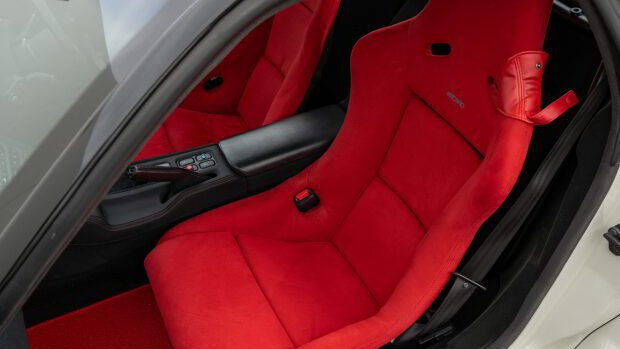
European competitors inspecting NSX manufacturing quality were legitimately impressed. Honda achieved levels making established competitors rethink their approaches. Despite engineering ambition, the NSX proved surprisingly reliable, setting new standards for supercar dependability.
11. Mercedes-Benz S-Class W140 (1991-1998) (Exterior)
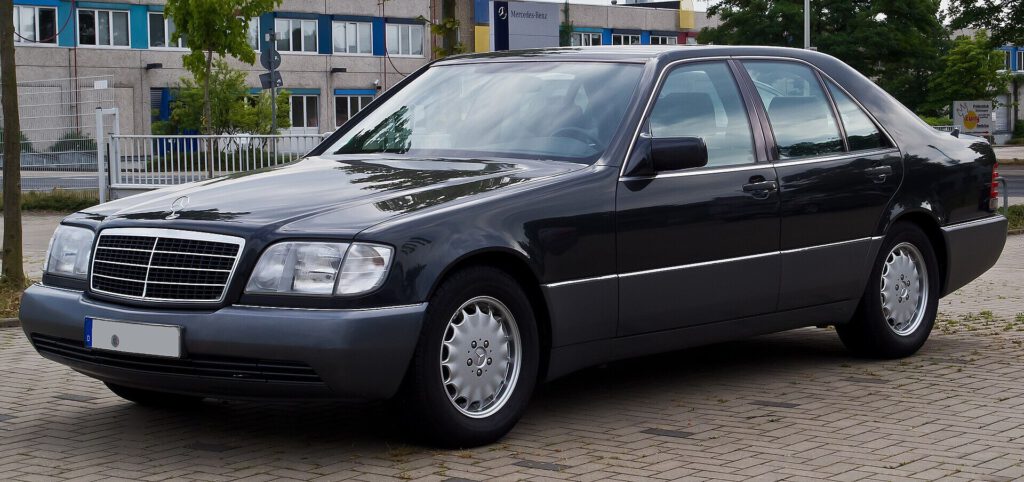
Over $1 billion investment creating engineering excess prioritizing perfection over profitability.
Mercedes invested over $1 billion in W140 development, chasing build quality so extreme the lead engineer was eventually fired. Handbuilt construction featured self-closing doors and double-pane glass adding complexity without proportional benefit. Development delays and budget overruns became legendary.
Mercedes-Benz S-Class W140 (1991-1998) (Interior)
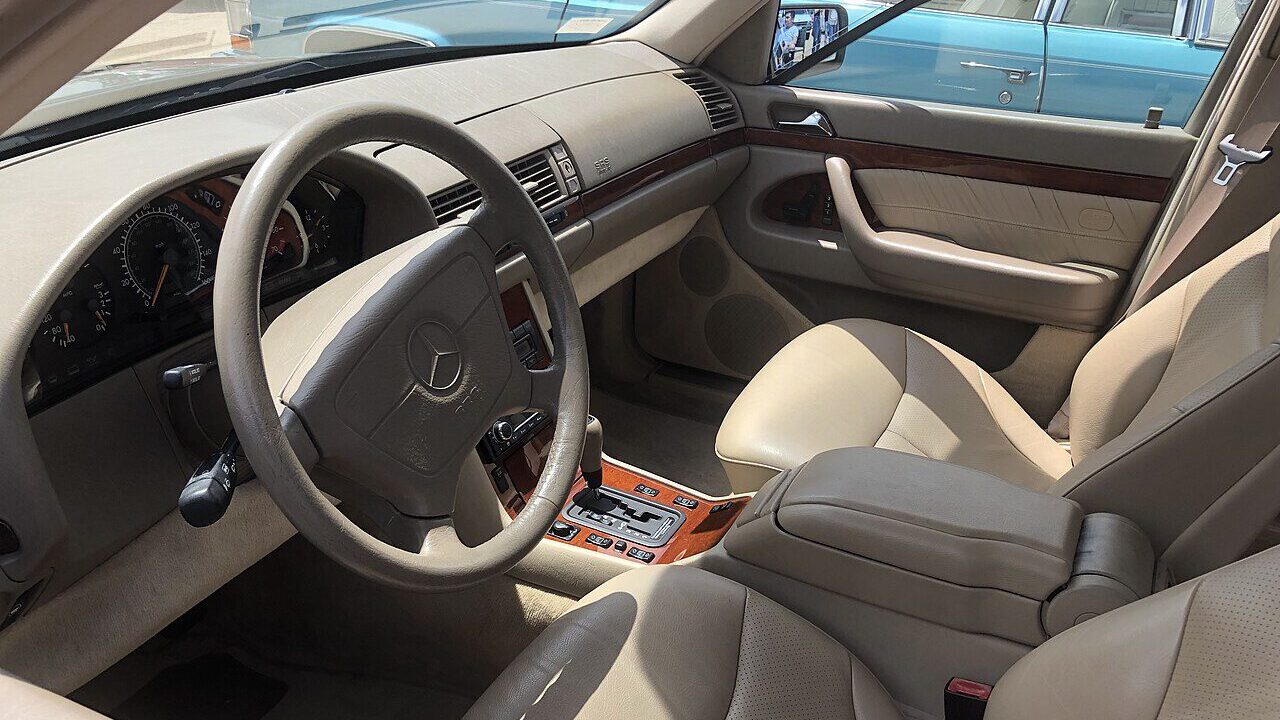
V12 engine options delivered power few owners utilized. Good reliability despite complexity, though maintenance costs reflected engineering ambition. Double-pane windows and hydraulically closing doors exceeded Mercedes’ already excessive standards—proving that perfectionism has expensive consequences.
10. Toyota Mega Cruiser (1994-2002) (Exterior)
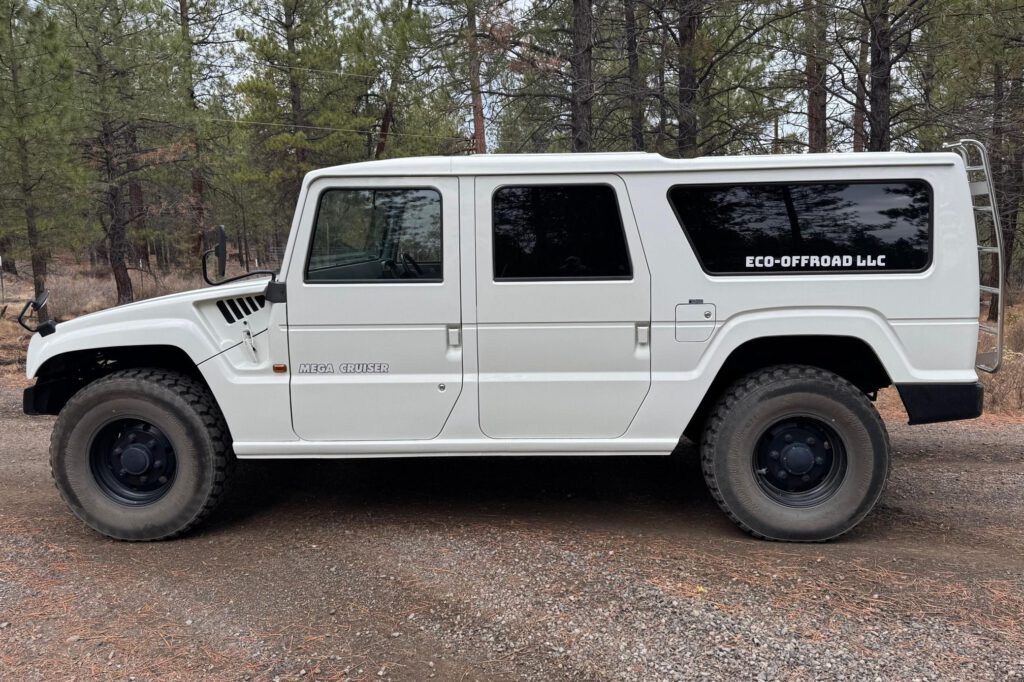
Military-grade engineering creating civilian capabilities exceeding practical requirements.
Military specification construction created civilian vehicle with capabilities exceeding normal requirements. Four-wheel steering and military-grade drivetrain provided durability normal use never exploited. Most features represented solutions to military problems civilian use never presents.
Toyota Mega Cruiser (1994-2002) (Interior)
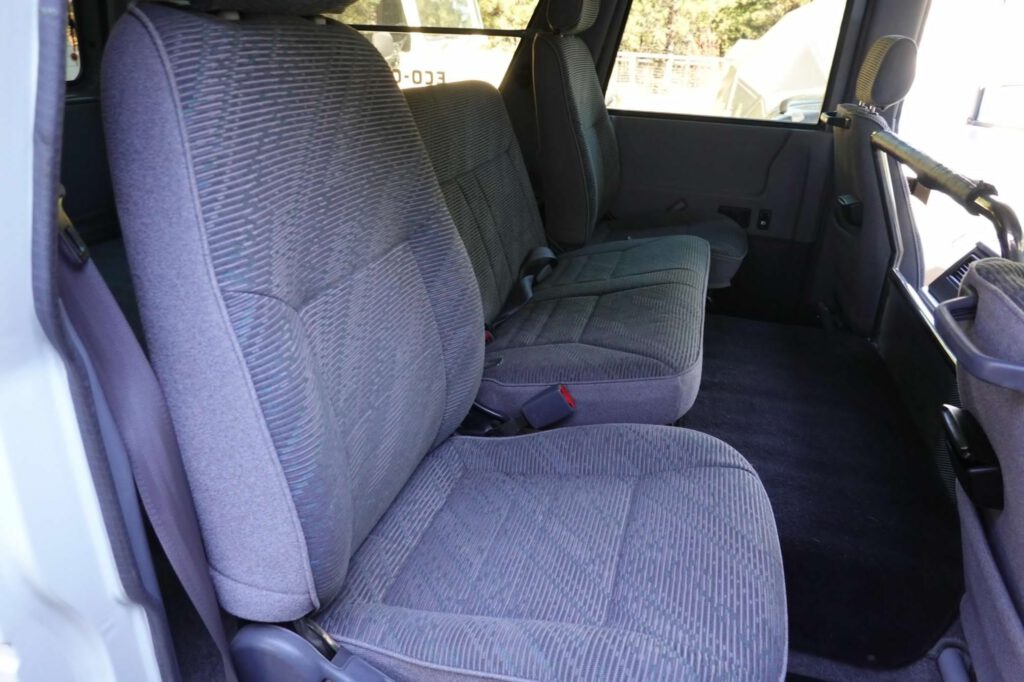
Rarity in civilian markets limits comprehensive reliability data, though known durability in off-road applications suggests excellent engineering execution. Production remained limited because overengineering made it too expensive and specialized for civilian markets.
9. Mitsubishi Pajero Evolution (1997-1999) (Exterior)
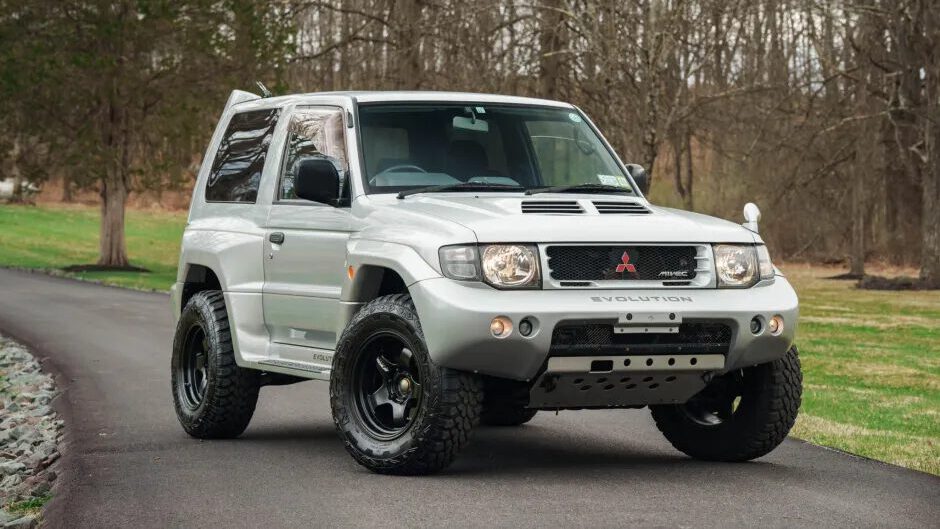
Rally-derived engineering creating civilian capabilities far exceeding normal requirements.
Rally homologation requirements created the Pajero Evolution with rally-derived suspension and reinforced chassis providing durability normal use never exploited. The 3.5L V6 engine delivered performance street driving rarely utilized. Limited production with specialized engineering makes comprehensive reliability data scarce.
Mitsubishi Pajero Evolution (1997-1999) (Interior)
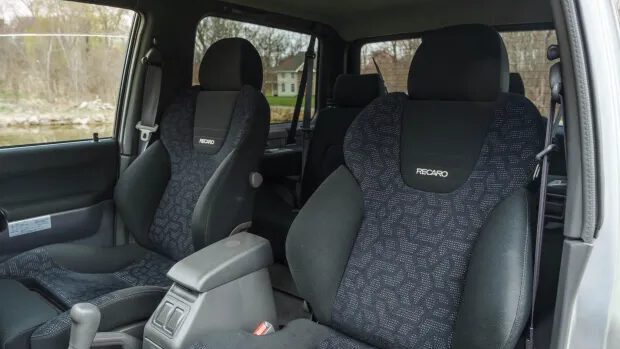
Racing engineering rarely translates successfully to civilian vehicles, though enthusiast forums report good durability for intended purposes. The Pajero Evolution reminded everyone that best technology often originates from pushing absolute limits.
8. Isuzu VehiCross (1997-2001) (Exterior)
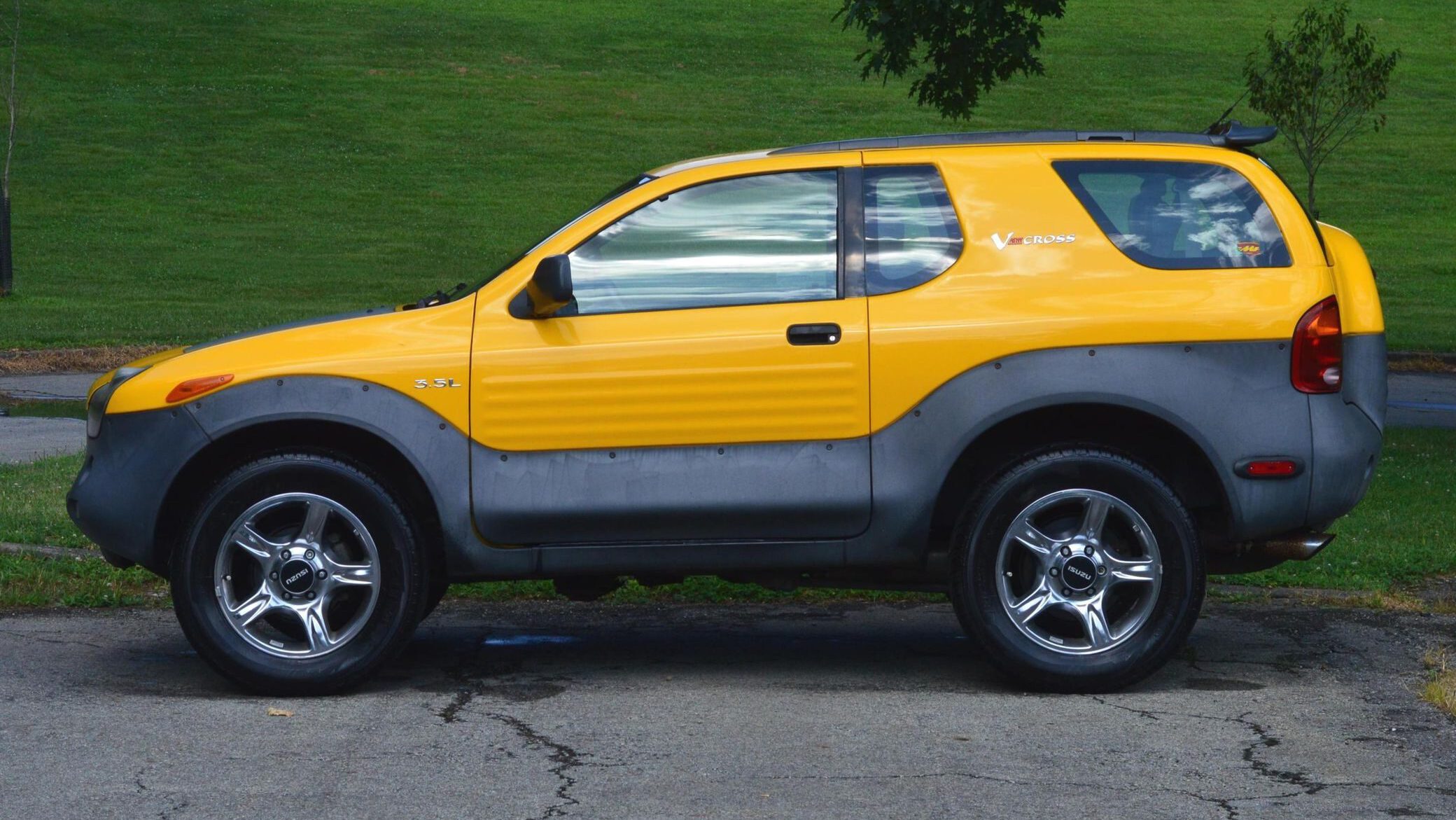
Futuristic design requiring expensive manufacturing techniques for niche SUV market.
The VehiCross featured torque and traction control systems exceeding requirements for niche SUV markets. Futuristic design required expensive manufacturing techniques, while engineering solutions exceeded rational requirements. Owner reviews report mixed reliability due to complex systems few mechanics understood.
Isuzu VehiCross (1997-2001) (Interior)
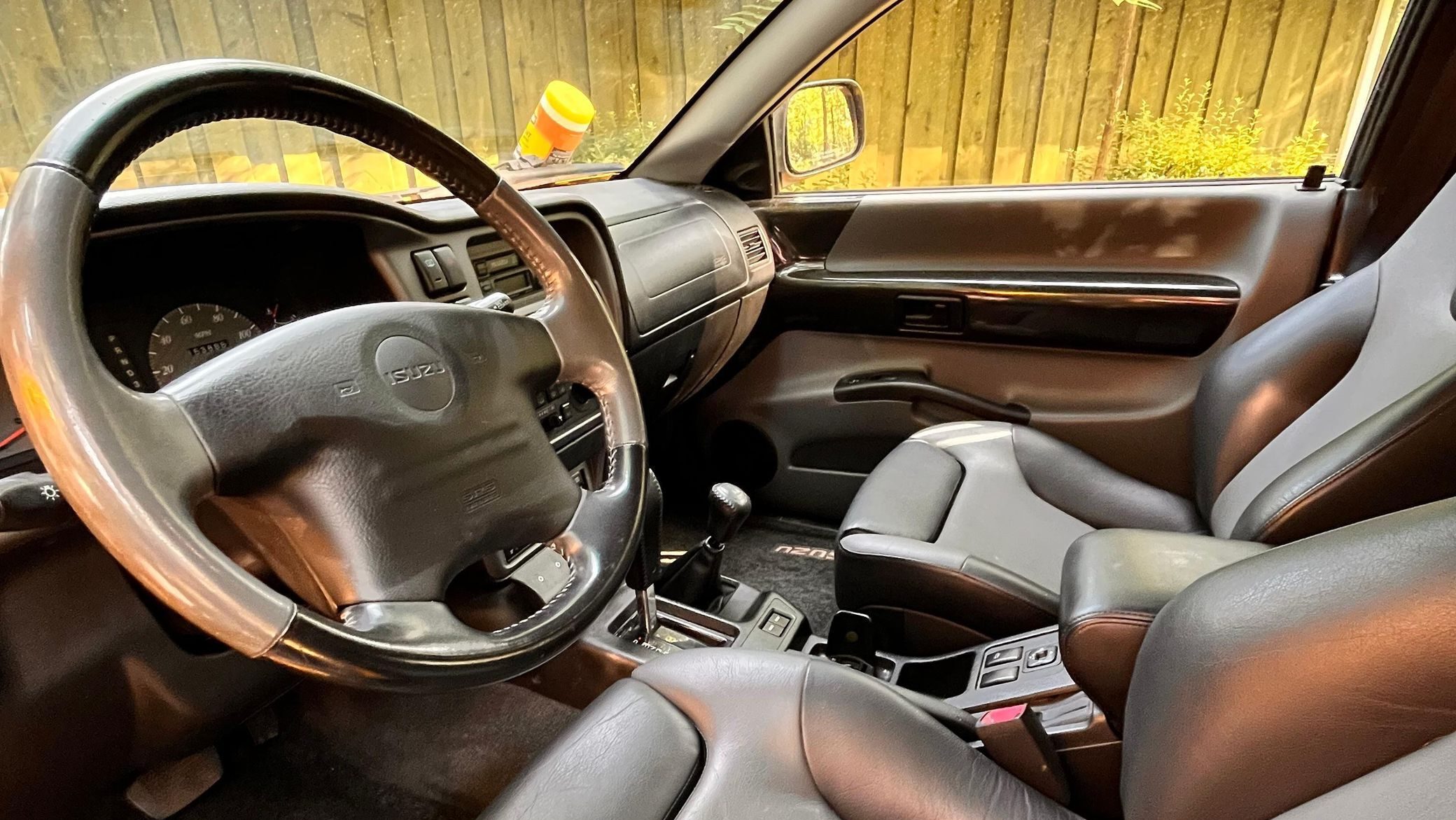
Engineering ambition impressed enthusiasts while frustrating practical owners. Production ended because overengineering made vehicles too expensive and complex for target markets. Sometimes innovation and practicality create beautiful music—or spectacular crashes.
7. Audi A2 (1999-2005) (Exterior)
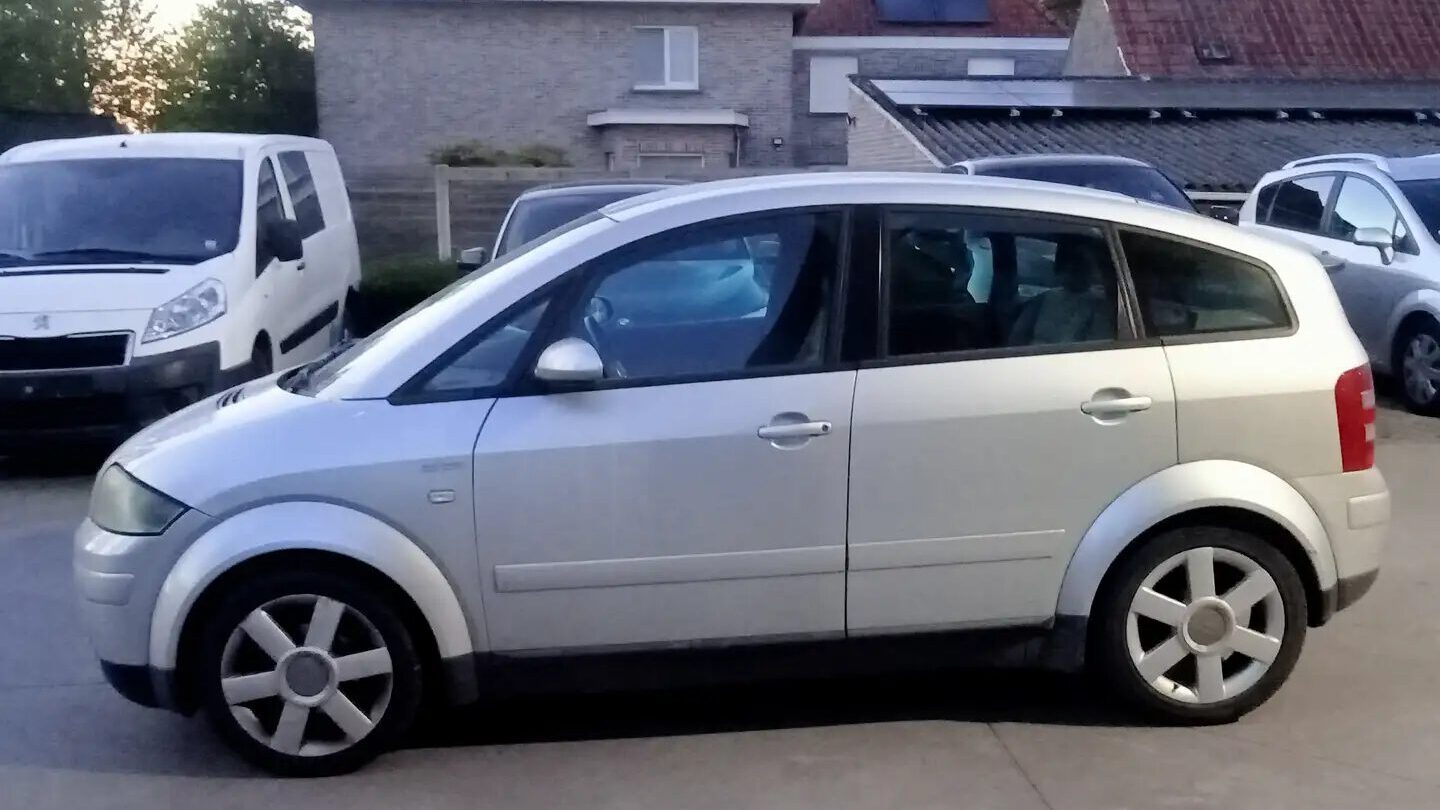
Space frame aluminum construction applied to economy car creating uneconomical production complexity.
The A2 applied space frame aluminum construction to small economy cars, creating manufacturing challenges multiplying production costs. Lightweight materials and advanced aerodynamics delivered impressive efficiency while bankrupting accountants. European market reviews praised reliability and engineering innovation while criticizing repair costs.
Audi A2 (1999-2005) (Interior)
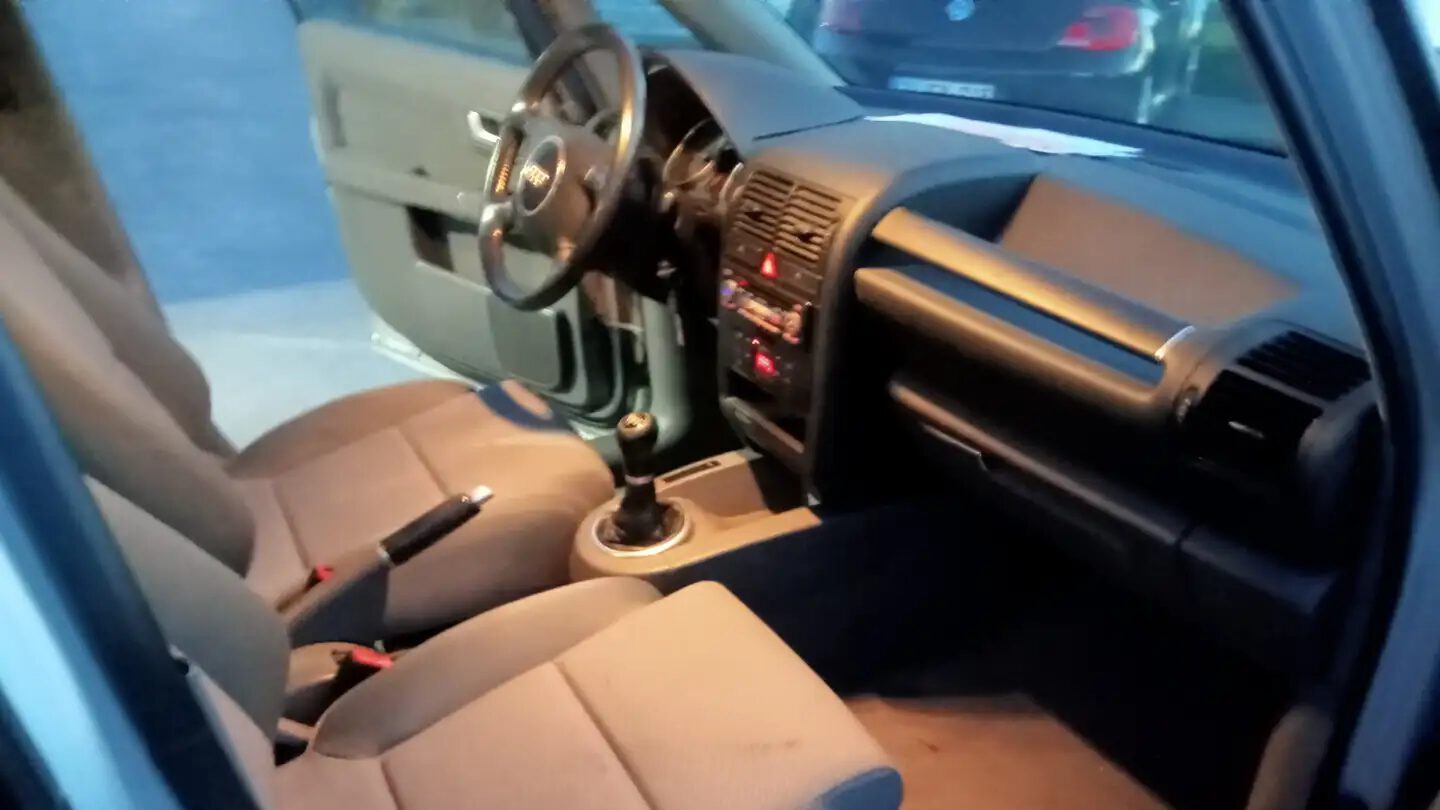
Manufacturing required specialized techniques making profitability impossible. Engineering excellence created vehicles ahead of their time that markets weren’t ready to accept. Sometimes building Swiss watches when Timex would suffice creates beautiful failures.
6. Maybach 57/62 (2002-2013) (Exterior)
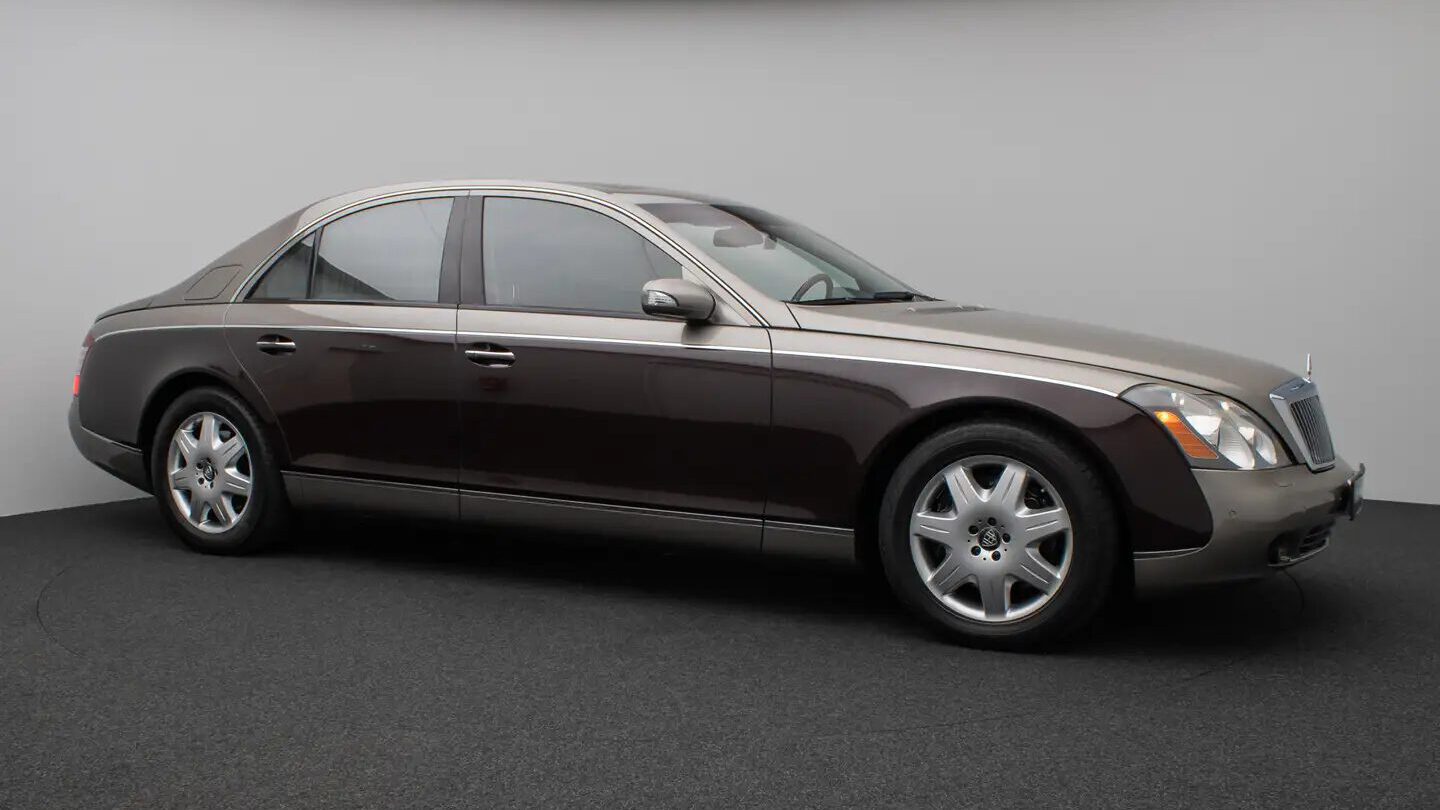
Every component received bespoke development multiplying costs exponentially.
Mercedes created luxury sedans designed to compete with Rolls-Royce through engineering excess prioritizing luxury over logic. Every component received bespoke development multiplying costs exponentially. Customization options reached absurd levels with engineering solutions for rarely-requested features.
Maybach 57/62 (2002-2013) (Interior)
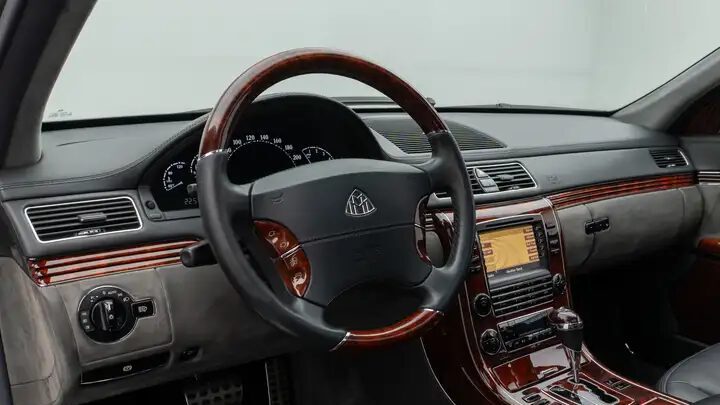
Limited reliability data exists due to low production volumes, while maintenance costs reflect complex engineering. Most features represented solutions to problems wealthy customers didn’t actually have. Sometimes luxury becomes parody of itself.
5. Volkswagen Phaeton (2002-2016) (Exterior)
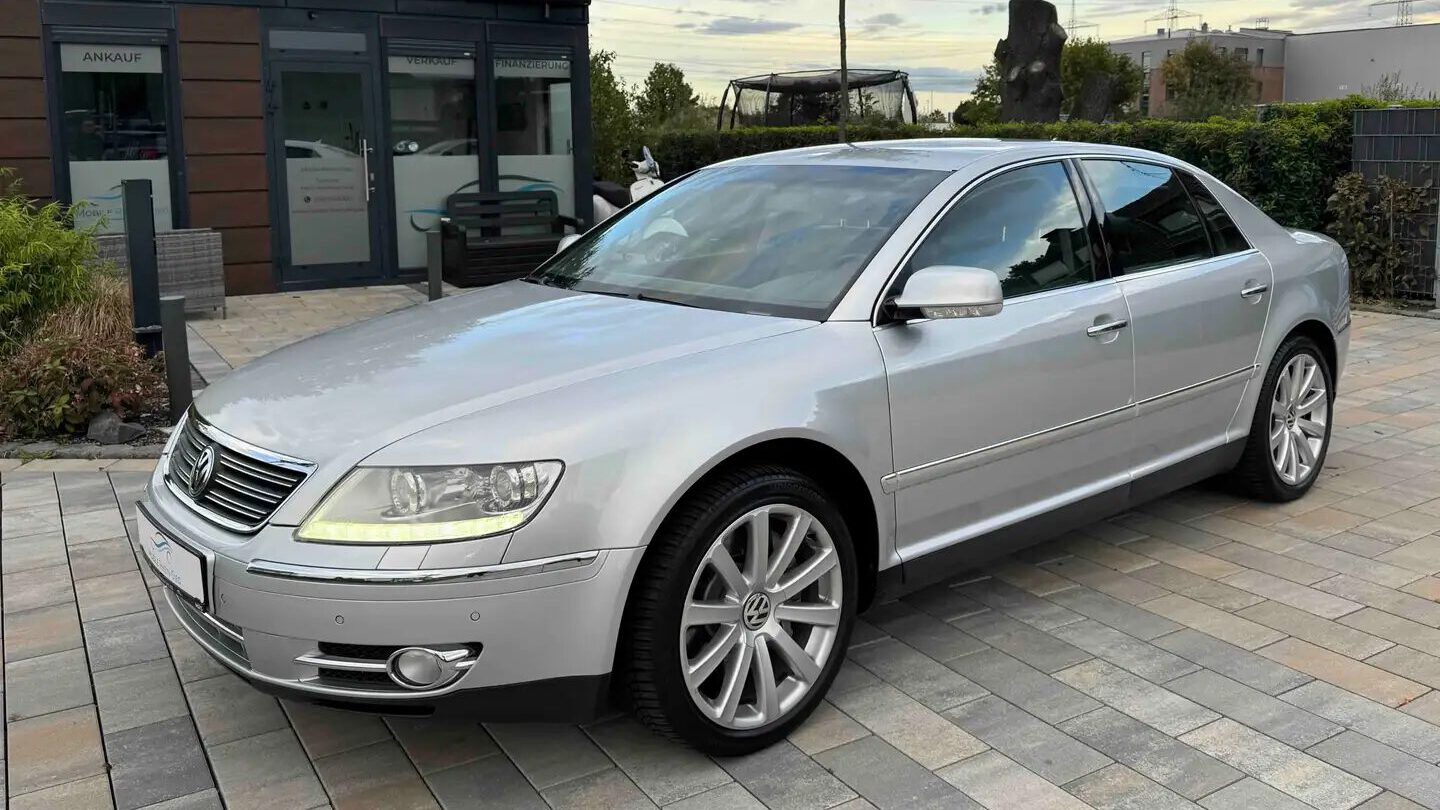
Design requirements demanding sustained 300 km/h capability in 50°C temperatures.
The Phaeton attempted luxury sedan competition with Mercedes S-Class and BMW 7 Series. Design requirements demanded sustained 300 km/h driving capability in 50°C exterior temperatures. Platform sharing with Bentley required engineering standards exceeding Volkswagen’s typical requirements.
Volkswagen Phaeton (2002-2016) (Interior)
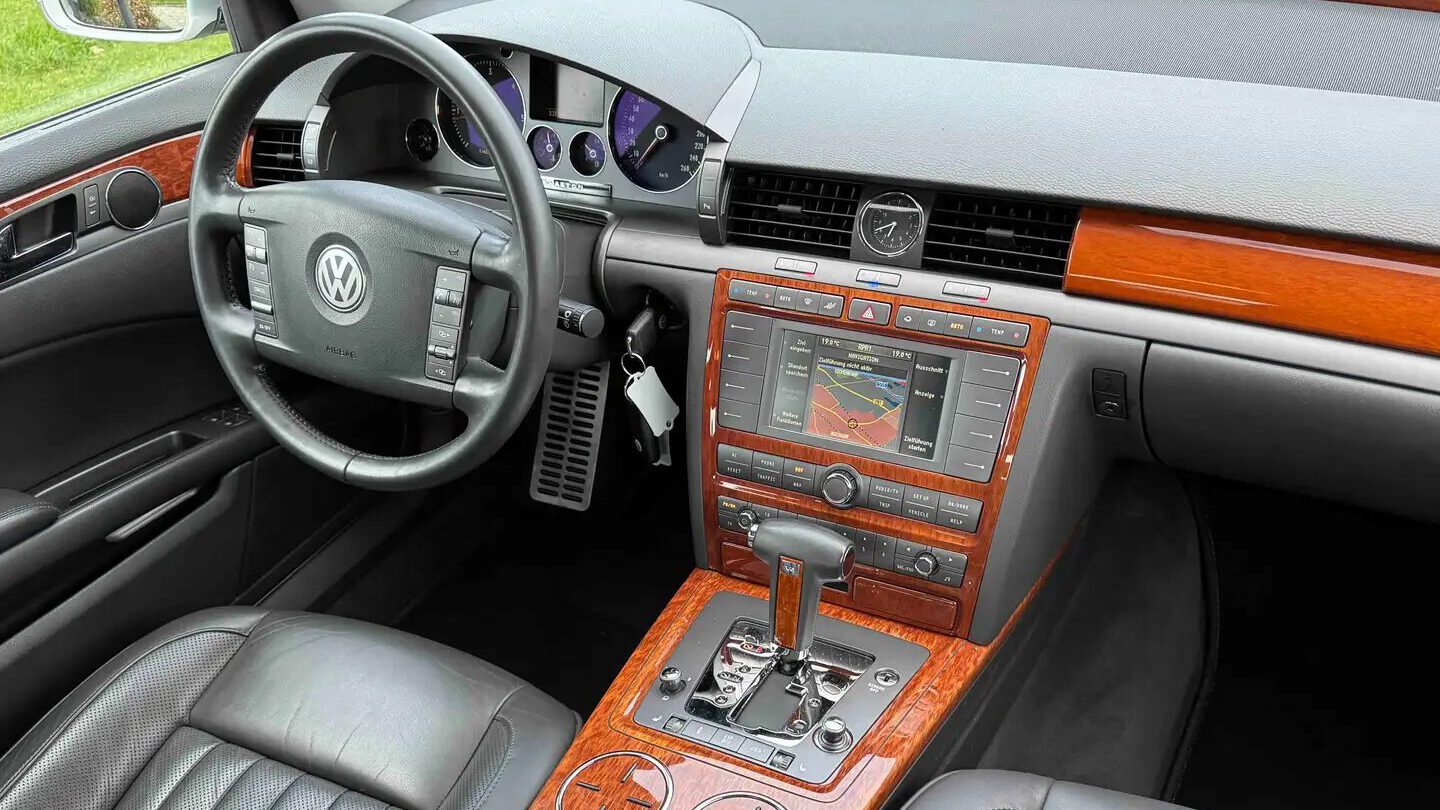
Engineering excellence created surprising reliability, though maintenance costs reflected complexity. Commercial failure resulted from overengineering consumers couldn’t justify under Volkswagen branding. Sometimes engineering brilliance meets branding reality—and loses.
4. Bugatti Veyron (2005-2015) (Exterior)
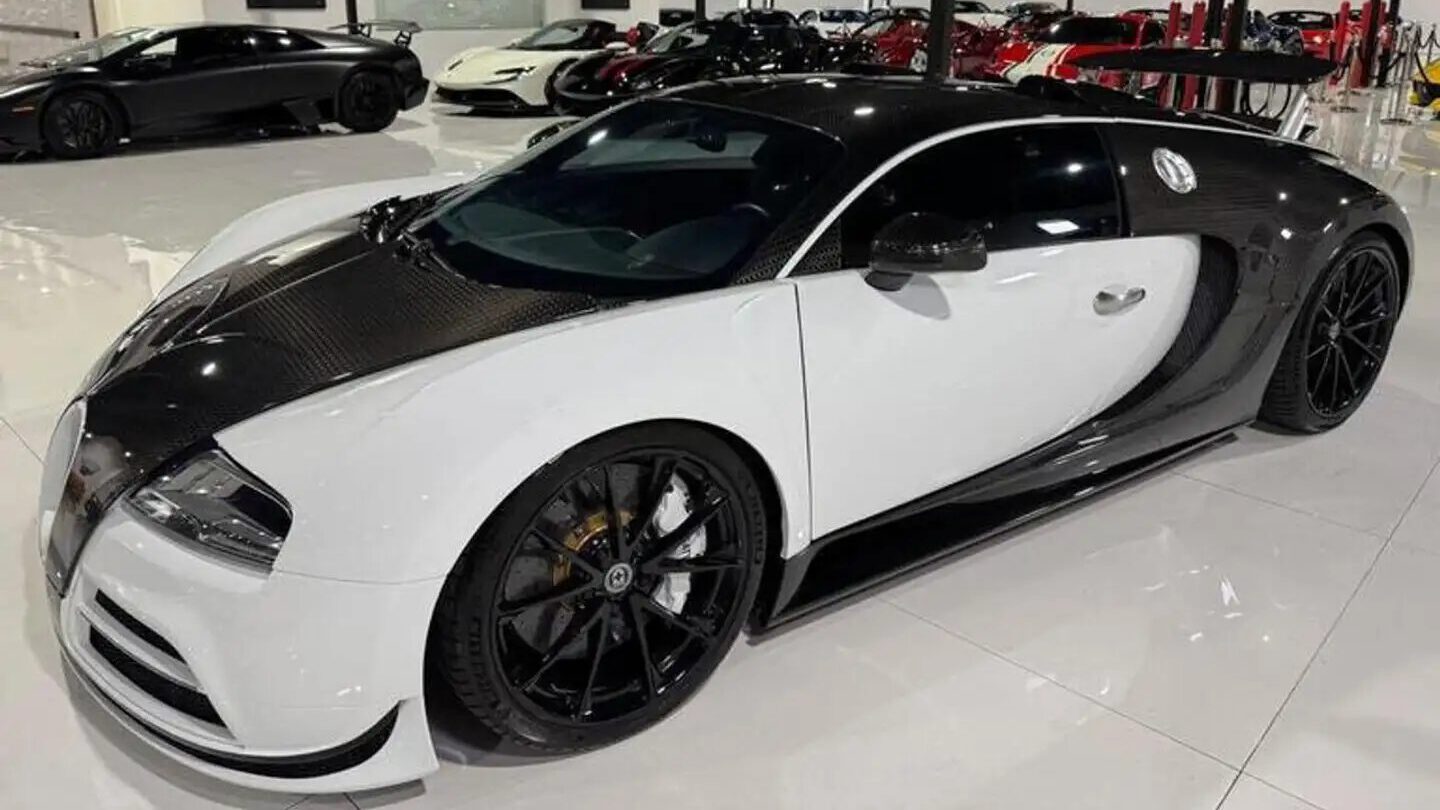
Quad-turbo W16 engine requiring 10 radiators to manage jet engine-level heat.
The Veyron’s quad-turbo W16 engine produces over 1,000 horsepower while requiring 10 radiators to prevent meltdowns. Aerodynamic engineering includes active components adjusting automatically at different speeds. Volkswagen Group spent an estimated €1.5 billion developing cars losing €5 million per unit sold.
Bugatti Veyron (2005-2015) (Interior)
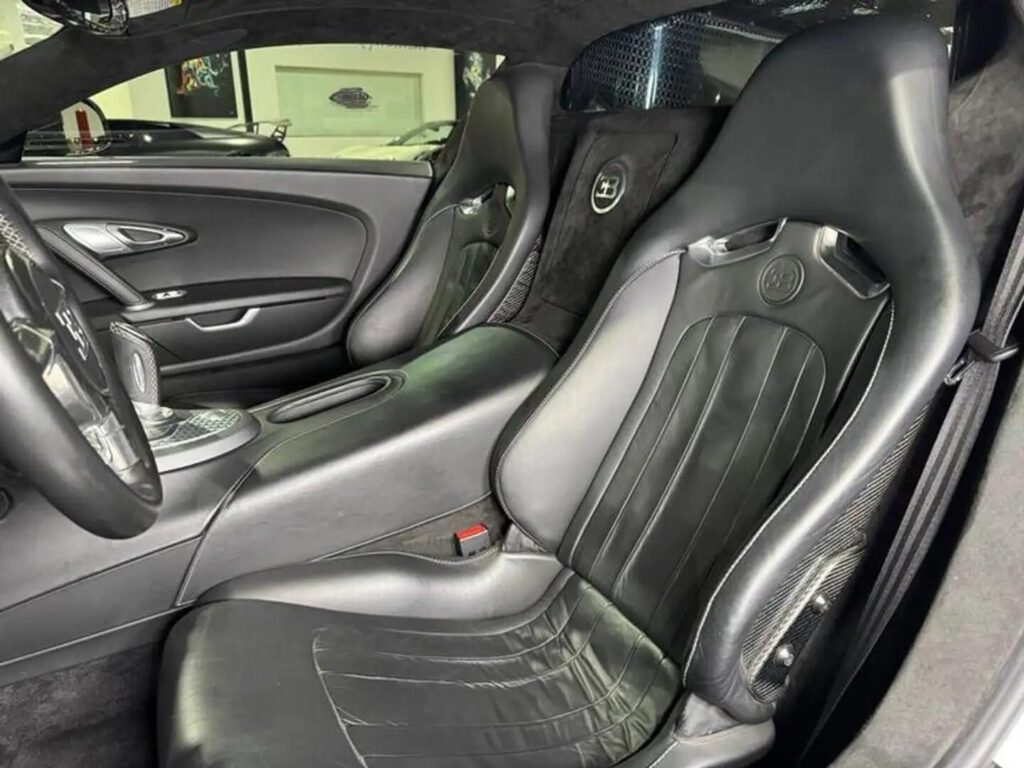
Surprisingly good reliability for extreme engineering, though repairs cost monumentally when problems occur. The Veyron proves that sometimes going too far results in accidental brilliance—if you can afford the privilege.
3. Lexus LFA (2010-2012) (Exterior)
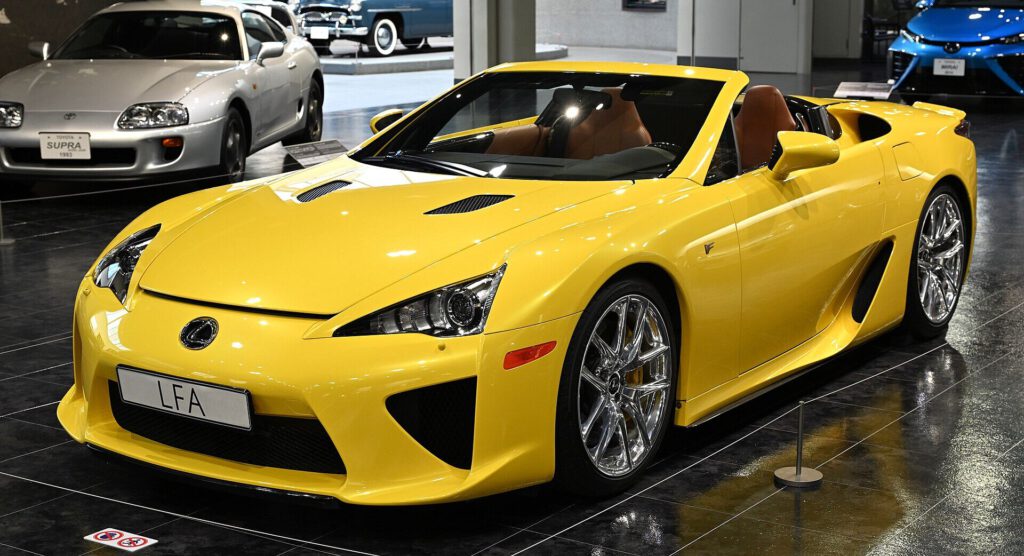
Ten-year development focusing on carbon fiber manufacturing producing strongest chassis ever created.
Development spanned a decade focused on carbon fiber manufacturing techniques producing one of the strongest chassis ever created. Yamaha-developed V10 engine revs to 9,000 RPM with precision requiring special instrument displays. Only 500 units produced with months of hand assembly per vehicle.
Development costs exceeded any reasonable return on investment. Enthusiast reviews praise build quality and engineering excellence despite financial insanity. Sometimes chasing automotive nirvana matters more than counting beans—or making sense.
2. Mercedes-Benz G63 AMG 6×6 (2013-2015) (Exterior)
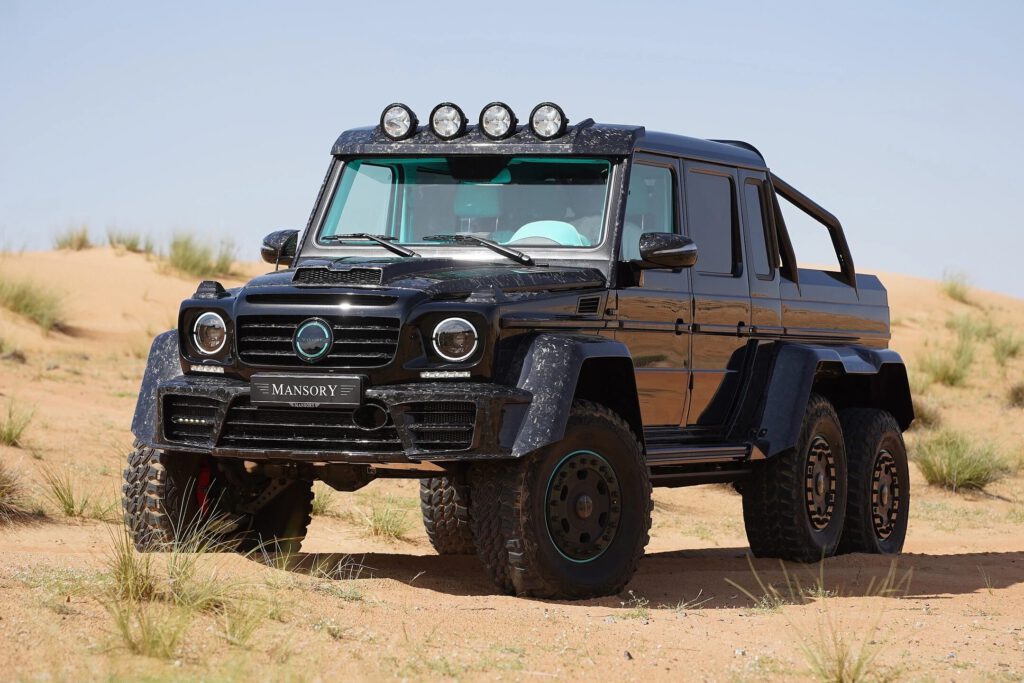
Six-wheel engineering complexity addressing problems civilian owners never encounter.
The G63 AMG 6×6 featured complex differential arrangements distributing power to all six wheels. Twin turbo V8 engine produces substantial power rarely fully utilized by owners. Engineering challenges involved adding third axles while maintaining luxury interior appointments.
Mercedes-Benz G63 AMG 6×6 (2013-2015) (Interior)
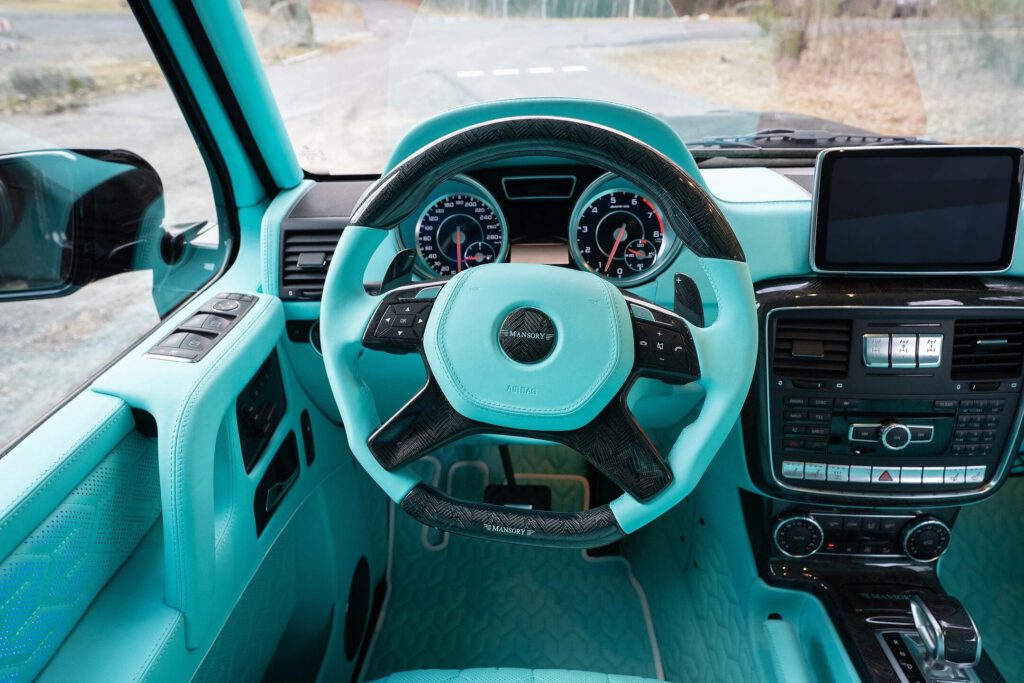
Most examples remain on pavement, making extensive overengineering primarily academic. Limited production with durability based on proven G-Class standards created six-wheeled monuments to “just because we can” engineering philosophy.
1. Rolls-Royce Phantom (2003-present) (Exterior)
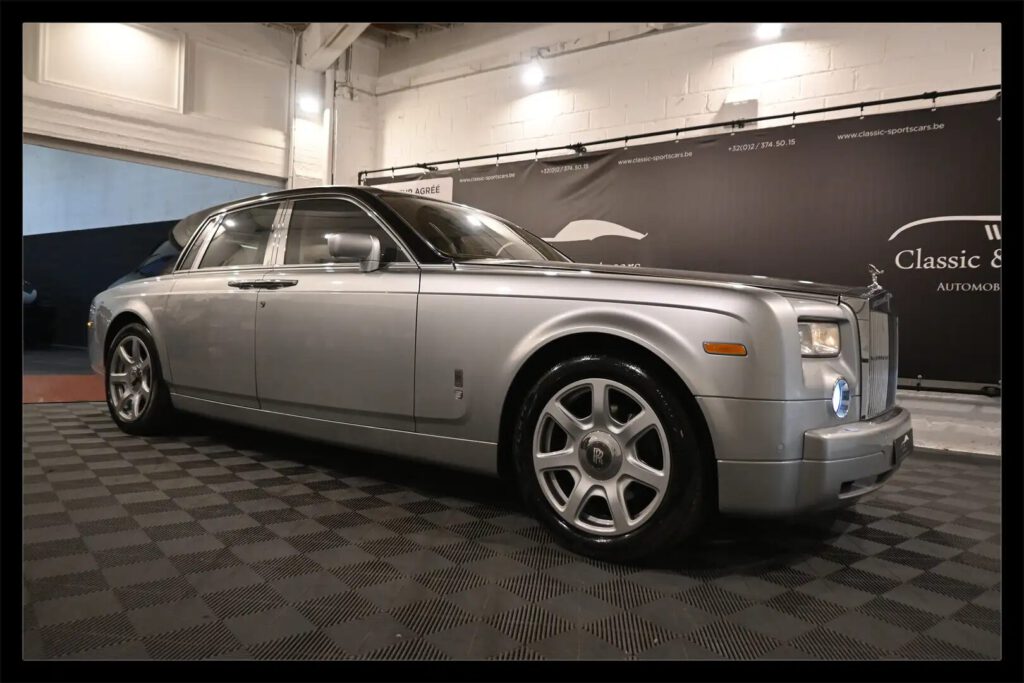
Hand-placed fiber optic lights creating custom constellations in Starlight headliner.
Modern luxury featuring hand-placed fiber optic lights in Starlight headliner creates custom constellations. Paint process involves nine hand-applied coats, each requiring days to cure. Extensive soundproofing includes double-pane glass and hundreds of pounds of sound deadening materials.
Rolls-Royce Phantom (2003-present) (Interior)
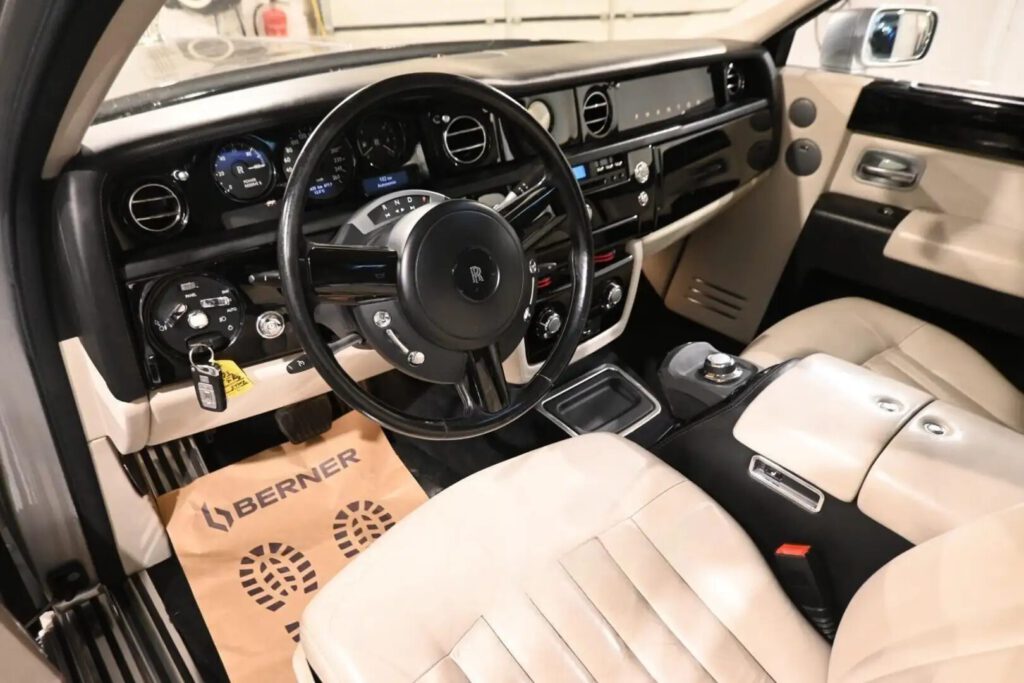
Suspension specially tuned creates cabin quietness comparable to recording studios. Owner reviews praise reliability despite engineering complexity, though maintenance costs reflect bespoke engineering. When luxury reaches these elaborate heights, it blurs lines between transportation and art.