Car manufacturing costs range from $12,000-15,000 for economy models to over $140,000 for luxury rides, and the breakdown reveals why your next vehicle purchase might require some serious budget gymnastics. Raw materials alone devour 57% of production expenses, while fixed costs like R&D claim another 16%. Monthly operating expenses for manufacturers exceed $700,000, creating barriers higher than a Tesla on autopilot. Understanding these economics helps decode sticker prices and explains why that reliable road trip vehicle costs what it does.
9. Raw Materials Dominate Manufacturing Budgets
Raw materials and auto parts consume a staggering 57% of total manufacturing expenses.
Steel, aluminum, and component parts create the foundation of every vehicle, whether it’s hauling produce to farmers markets or cruising wine country. This massive expense explains why automotive startups face immediate disadvantages against established manufacturers who buy materials by the trainload rather than the truckload. Supply chain disruptions don’t just affect production schedules—they ripple through to delivery costs for everything from farm-fresh ingredients to artisanal goods.
The material cost burden means smaller manufacturers struggle to compete on price, leaving consumers with fewer affordable options for reliable transportation.
8. Fixed Costs Create High Entry Barriers

Research and development expenses hover around 16% of total costs, regardless of production volume.
Fixed costs operate like a gym membership—you pay the same monthly fee whether you use the facilities daily or just admire them from the parking lot. Automotive facilities require $200,000 monthly for factory leases and $150,000 for payroll, before producing a single vehicle. These expenses create massive barriers for new entrants trying to challenge established players.
Prototyping, tooling, and facilities maintenance demand constant investment. This financial reality explains why automotive innovation moves slowly and why breakthrough technologies take years to reach showrooms.
7. Variable Costs Fluctuate with Production
Labor costs average $585-$880 per vehicle, depending on automation levels and regional wage standards.
Assembly and quality control represent the human element in manufacturing, though increasing automation shifts this balance. Utilities add another $12,782 monthly, while maintenance costs reach $6,080. These variable expenses create a delicate balancing act between human craftsmanship and robotic precision.
Manufacturers constantly optimize this equation, seeking the sweet spot between cost efficiency and build quality that affects long-term reliability.
6. Toyota’s Economy Formula

High-volume production keeps costs around $12,500 while maintaining quality standards.
Toyota’s approach prioritizes reliability over luxury, creating vehicles perfect for daily commutes and practical transport needs. Their $2,500 profit margin on each $15,000 sale demonstrates how economies of scale work. Volume manufacturing allows cost-effective design without sacrificing essential features.
This strategy makes Toyota vehicles ideal for budget-conscious drivers who need dependable transportation for everything from grocery runs to weekend getaways.
5. Ford F-150’s Workhorse Economics

Production costs around $27,000 support profit margins of $13,000 on $40,000 sales.
The F-150 serves as America’s workhorse, hauling everything from construction materials to farmers market goods. Its robust design justifies higher manufacturing costs while delivering versatility that luxury vehicles can’t match. The truck’s capability makes it essential for businesses requiring reliable cargo transport.
Ford’s success with the F-150 proves that practical functionality often trumps flashy features when customers need vehicles that actually work.
4. Tesla Model 3’s Electric Economics
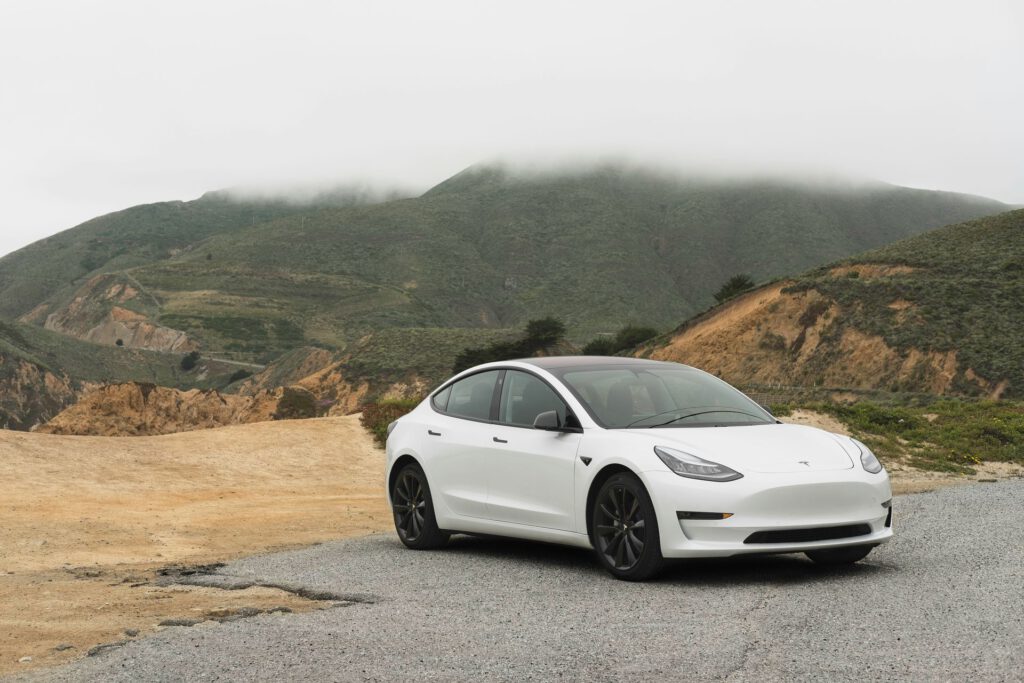
Production costs of $28,000 enable $12,600 profit margins on $40,630 retail prices.
Tesla’s Model 3 transforms road trips by eliminating gas stations and reducing travel anxiety. The electric powertrain creates manufacturing complexity but delivers environmental benefits that appeal to conscious consumers. Battery technology represents the largest cost component, though prices continue declining.
Electric vehicles change travel dynamics, enabling longer journeys without fuel stops while reducing environmental impact for food tourism and recreational travel.
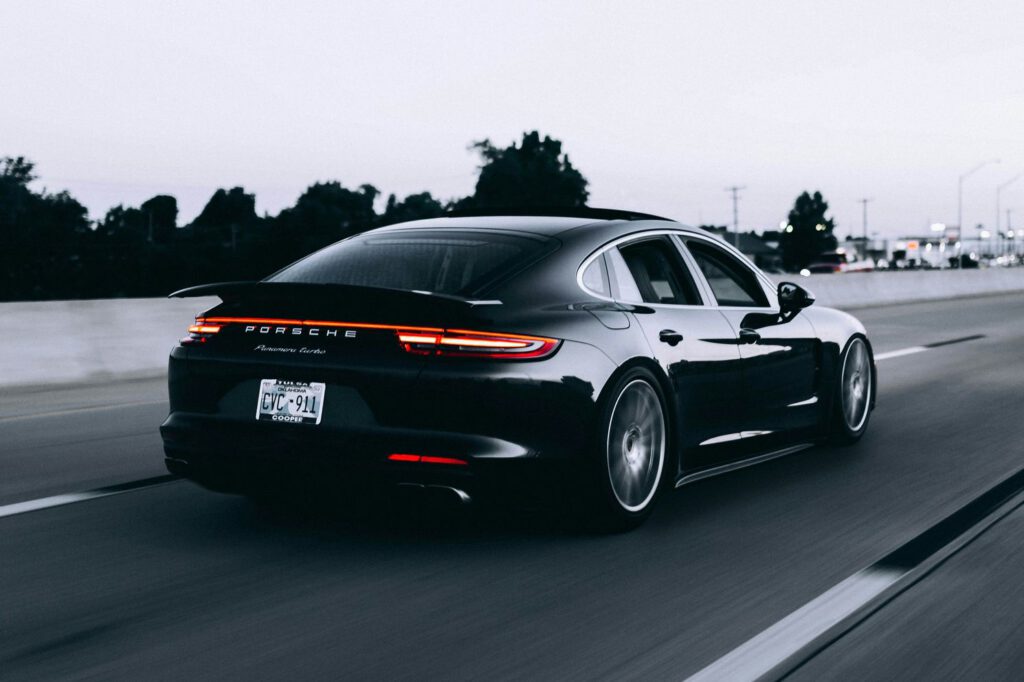
3. Porsche’s Premium Manufacturing

Production costs ranging from $33,000 to $133,000 reflect engineering sophistication and luxury materials.
Porsche vehicles embody automotive artistry, though their manufacturing costs limit accessibility for average buyers. The engineering precision required for high-performance vehicles demands premium materials and specialized labor. Quality control standards exceed those of mass-market manufacturers.
These vehicles serve niche markets where performance and prestige justify premium pricing, though practical transportation needs require more economical alternatives.
2. Ferrari’s Exclusive Production
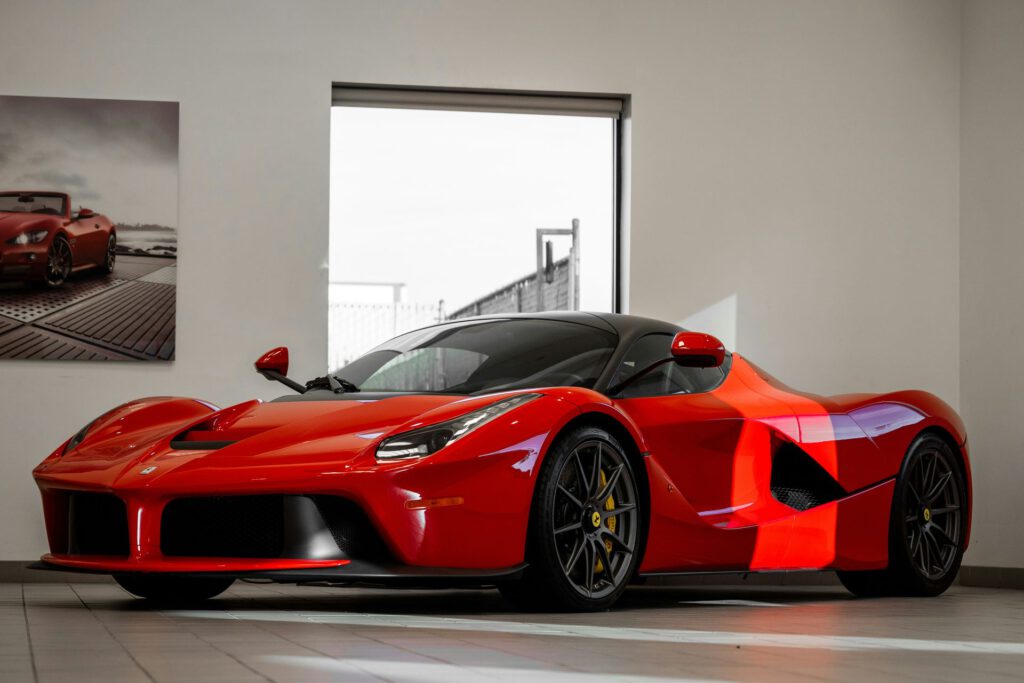
Manufacturing costs between $130,000-$140,000 support $80,000 profit margins on $200,000+ sales.
Ferrari represents automotive exclusivity at its peak, with production costs that exceed most vehicles’ retail prices. Hand-built components and limited production volumes create manufacturing expenses that reflect artisanal craftsmanship rather than mass production efficiency. Quality control requires individual attention to every detail.
These vehicles function more as rolling art pieces than practical transportation, justifying their astronomical costs through exclusivity and performance engineering.
1. Operating Expense Reality

Monthly facility costs exceed $700,000 before producing a single vehicle.
Manufacturing plants consume resources like high-maintenance celebrities, requiring constant financial attention. Facility leases, payroll, utilities, and maintenance create ongoing expenses that must be covered regardless of production output. Equipment maintenance alone costs $6,080 monthly, while utilities reach $12,782.
Plant managers essentially play financial Tetris, balancing fixed expenses against variable production costs while maintaining quality standards and delivery schedules.
Manufacturing economics explain why vehicles cost what they do and why alternatives remain limited. Understanding these realities helps consumers make informed decisions about transportation needs versus budget constraints, whether planning cross-country adventures or simple daily commutes.