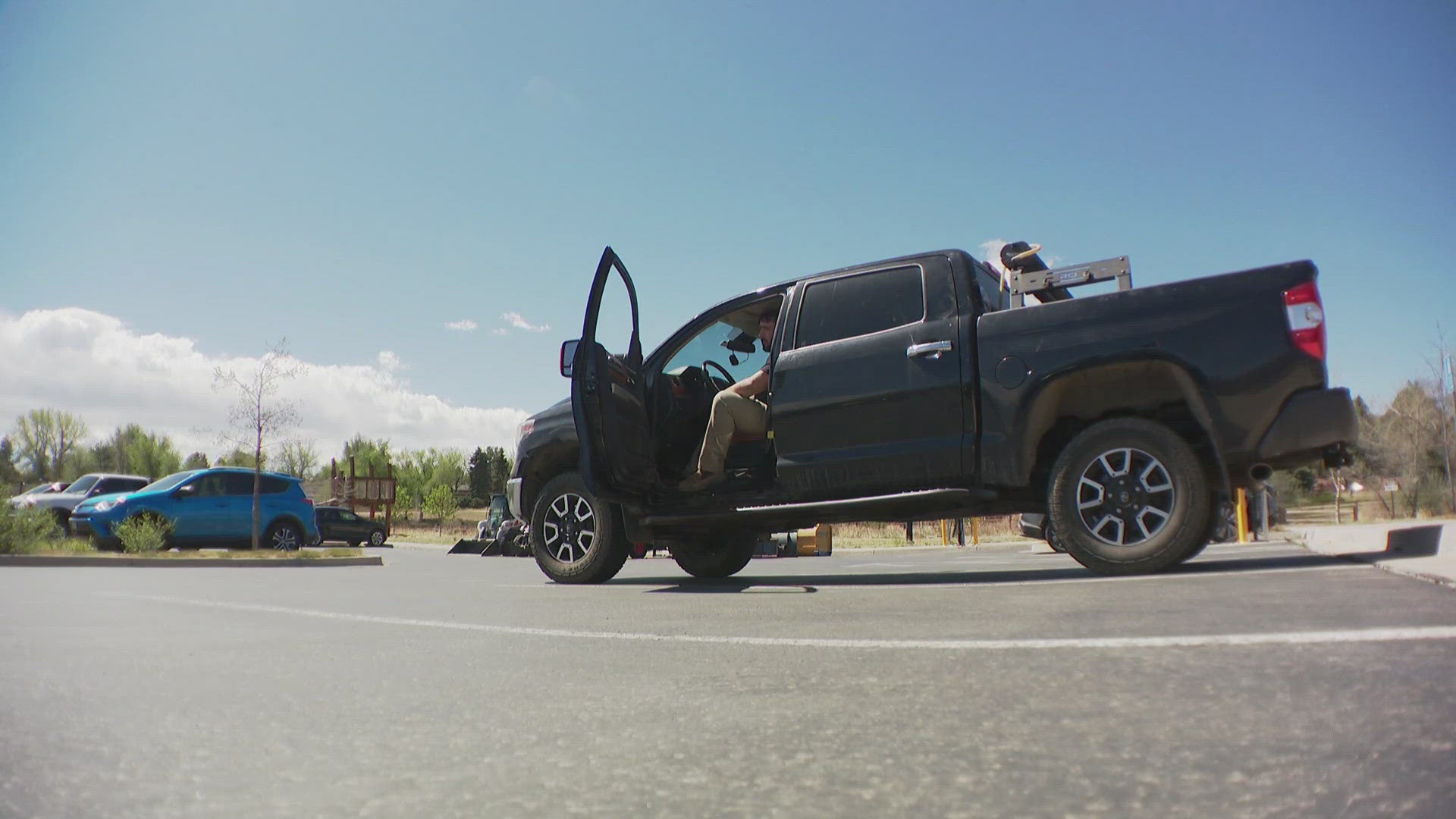
Kyle Dausman‘s morning commute shouldn’t involve flashing police lights, yet Flock Safety’s license plate cameras keep targeting his truck due to a database mix-up he can’t escape. The culprit? A simple data entry error confusing similar license plates in Colorado’s vehicle database—proof that even advanced surveillance tech remains vulnerable to human mistakes.
The Cherry Hills Village resident has endured multiple traffic stops after Flock’s AI-powered cameras incorrectly matched his plate to an active warrant in the Colorado Crime Information Center. Court records show a Gilpin County clerk confused Dausman’s plate with a similar one during warrant entry, creating a statewide alert that follows him everywhere.
When Advanced Tech Meets Simple Human Error
Database mistakes amplify through sophisticated surveillance networks, turning minor clerical errors into major personal nightmares.
Cherry Hills Village Police Chief Jason Lyons confirmed the system worked as designed: “The Flock cameras did alert… officers did what they were supposed to do.” His department suppressed future local alerts after two stops, but Dausman remains vulnerable statewide because local police cannot remove him from the broader Colorado Crime Information Center hotlist.
This bureaucratic nightmare highlights surveillance technology’s fundamental weakness—flawed data produces harmful results, regardless of camera sophistication. Dausman now faces safety risks from sudden stops and hesitates to drive his truck freely. Meanwhile, Gilpin County requires the actual suspect’s identity to correct their mistake, information withheld due to an ongoing investigation.
The Broader Pattern of Surveillance Errors
Real-world accuracy rates reveal significant gaps between marketing promises and street-level performance.
Flock’s deployment across thousands of US police departments amplifies these individual errors into systemic problems. While the company markets high accuracy rates, documented incidents reveal troubling patterns of misidentification affecting innocent drivers nationwide.
Police departments increasingly acknowledge these limitations. Morristown officials explicitly warn officers that cameras “will occasionally misread plates” and produce unreliable results. Similar verification requirements exist across multiple jurisdictions as departments grapple with technology that promises precision but delivers frequent false positives.
Dausman’s ordeal exposes the collision between Silicon Valley promises and Main Street consequences. Until database accountability matches algorithmic ambition, innocent drivers remain vulnerable to clerical errors amplified by artificial intelligence. The expansion of automated surveillance systems demands corresponding improvements in data accuracy and correction processes, protecting citizens from technological overreach disguised as public safety.