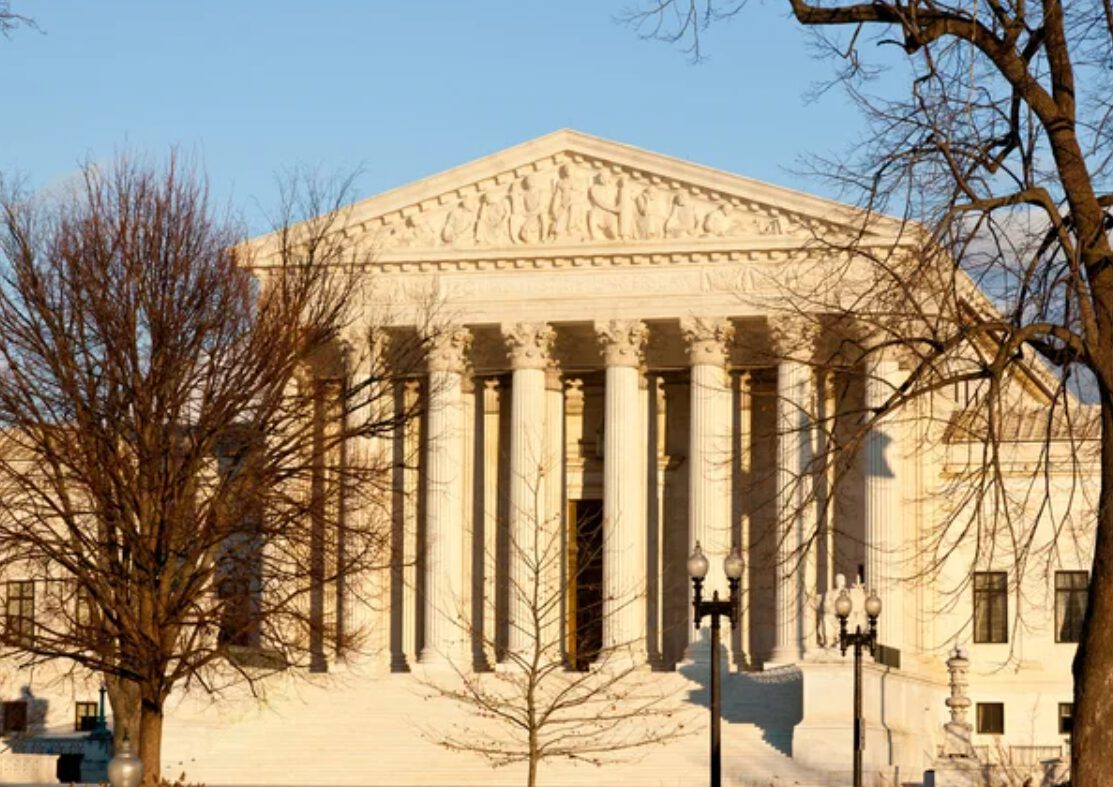
Your location data sits in a digital vault that police can crack with the right warrant—but the Supreme Court just wrestled with whether that’s actually constitutional. Every coffee shop visit, gym session, and late-night drive creates a digital breadcrumb trail that tech companies store for years. After oral arguments in United States v. Chatrie, nine justices will determine if cops need better reasons before hoovering up everyone’s whereabouts.
When Bank Robbers Leave Digital Fingerprints
A Virginia heist shows how geofence warrants turn your smartphone into a witness.
Picture this: A masked gunman steals $195,000 from a Midlothian, Virginia bank in 2019, then vanishes. Traditional detective work hits a dead end. So police draw a virtual perimeter around the crime scene and serve Google a warrant for every device that pinged nearby during the robbery. Three rounds of data requests later, they identify Okello Chatrie—whose phone happened to be there when bullets started flying.
Your Location History Becomes Evidence
Google’s treasure trove reveals which third of users accidentally volunteered for surveillance.
Geofence warrants work like digital dragnet fishing. Police request anonymized location data from Google’s Sensorvault database, narrow down suspicious devices, then unmask specific users. The twist? This only works because roughly one-third of Android users enabled Location History—often without realizing they’re creating a permanent record of their movements. Your smartphone doesn’t just remember where you parked; it builds a case file.
Justices Split on Digital Privacy Lines
Conservative and liberal justices clash over voluntary data sharing versus mass surveillance.
During April arguments, the Court fractured predictably. Conservatives like Gorsuch and Barrett suggested that enabling Location History means you’ve voluntarily shared your data—tough luck if police come knocking. Liberal justices worried about chilling effects on sensitive locations: protests, medical clinics, places of worship. Chief Justice Roberts captured the stakes perfectly, questioning whether these warrants enable “mass surveillance potential” that the Fourth Amendment was designed to prevent.
Google Fights Back, Courts Stay Confused
Tech giant objects to thousands of overbroad warrants while lower courts remain split.
Since 2022, Google has pushed back against thousands of geofence requests, calling them “overbroad” fishing expeditions. The company even announced plans to phase out its centralized location database—though historical data remains accessible. Federal appeals courts can’t agree: the Fifth Circuit deems geofence warrants inherently unconstitutional, while the Fourth Circuit split 7-7 on Chatrie’s case.
Your smartphone’s privacy settings just became a constitutional battleground. The Court’s ruling will determine whether your digital footprints remain your business or become fair game for any detective with a warrant. Either way, checking those location permissions might be more crucial than you thought.