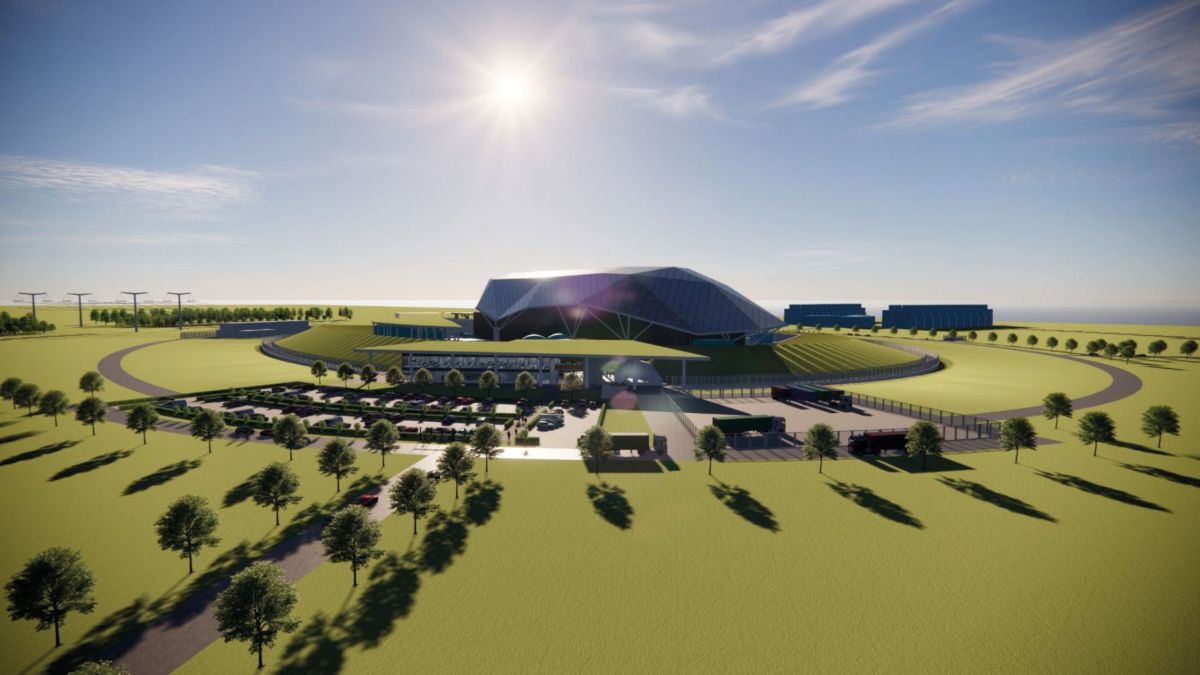
The UK just approved three factory-built nuclear reactors that could power 3 million homes for the next 60 years. Rolls-Royce’s Small Modular Reactors (SMRs) will transform the dormant Wylfa site in Anglesey, North Wales, marking the first domestic nuclear project in over two decades.
From Nuclear Graveyard to High-Tech Hub
The site gets a second life as Britain’s nuclear testing ground, with construction starting immediately under a £2.5 billion partnership between the government and Great British Energy – Nuclear. This represents a dramatic turnaround for a location that had seen previous revival attempts stall, leaving locals wondering if their industrial heritage was finished.
Factory-Built Reactors Change the Nuclear Game
Traditional nuclear plants take decades to build on-site, hemorrhaging budgets like a Netflix subscription you forgot to cancel. Rolls-Royce’s SMRs flip that model—compact reactors (roughly 16m x 4m) manufactured in factories then shipped for assembly. This approach promises faster deployment, lower costs, and fewer construction headaches for communities.
- Each 470 MWe reactor arrives 90% pre-assembled
- Faster deployment than traditional nuclear plants
- Lower costs and fewer construction headaches for communities
Jobs Bonanza for Wales and Beyond
Anglesey expects significant local employment opportunities, while additional roles spread across UK suppliers. That’s significant for a region still recovering from industrial decline. The government has committed over £2.5 billion for the overall small modular reactor programme, representing a major investment in British nuclear capabilities.
Energy Independence Gets Real
Chris Cholerton, Rolls-Royce SMR’s CEO, called the contract “a tangible example of the Government’s ‘golden age’ of new nuclear.” Beyond the marketing speak, these reactors address genuine energy security concerns exposed by recent global volatility. Your electricity bills depend increasingly on geopolitically stable baseload power.
The project positions Britain as an SMR exporter, with potential deployments in countries like Czechia already under discussion through international agreements supporting up to six new reactors.
- Grid connection targets the 2030s
- Reduces Britain’s fossil fuel dependence
- Positions UK as SMR exporter to international markets