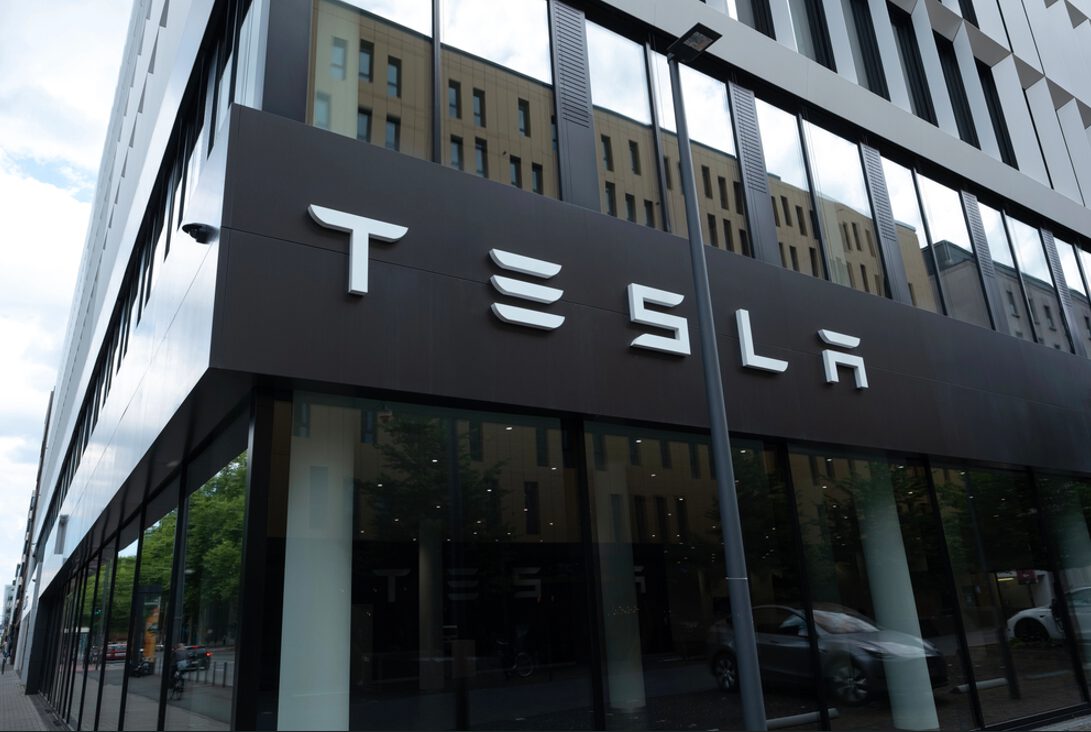
Tesla’s parking lots have become unintentional museums of unsold ambition. The company faces unprecedented inventory challenges as production outpaced deliveries by 50,363 vehicles in Q1 2026—the largest gap in Tesla’s history. Wall Street’s reaction was swift, with shares declining following the delivery announcement that missed analyst expectations.
The Numbers Reveal Market Reality
Tesla produced 408,386 vehicles in Q1 2026 while delivering 358,023 units. Analysts had projected deliveries between 365,000 and 372,160 vehicles, making the actual figure a clear disappointment. Despite achieving 6% year-over-year growth, the inventory buildup signals a fundamental shift from Tesla’s typical production-to-delivery efficiency.
This inventory accumulation represents more than operational hiccups. When a company historically known for matching production closely with demand suddenly can’t clear inventory, market dynamics have shifted significantly.
Tax Credits Vanish, Competition Retreats
The broader EV market context explains Tesla’s challenges. The elimination of the $7,500 federal tax credit removed a crucial demand driver for electric vehicles. Competitors have retreated from aggressive EV expansion, with several manufacturers scaling back electric vehicle programs.
This policy-driven demand reduction affects the entire industry. When government incentives disappear overnight, consumer purchasing behavior adjusts accordingly, leaving manufacturers with production capacity exceeding market appetite.
Tesla Pivots Beyond Cars
Tesla discontinued the Model S and Model X on April 1, 2026, after over a decade in production. The company now focuses resources on the Model 3 and Model Y, which dominate both production and delivery volumes. The Cybertruck contributed approximately 16,000 deliveries in Q1—respectable for a new platform but insufficient to significantly impact overall delivery numbers.
Tesla’s energy storage division achieved record deployment levels, demonstrating successful diversification beyond automotive. This business segment’s growth provides a bright spot amid automotive market challenges.
Market analysts project 1.69 million deliveries for Tesla in 2026, representing modest growth compared to the company’s historical expansion rates. This inventory situation suggests potential pricing adjustments ahead as Tesla works to clear accumulated stock while adapting to the new market reality.