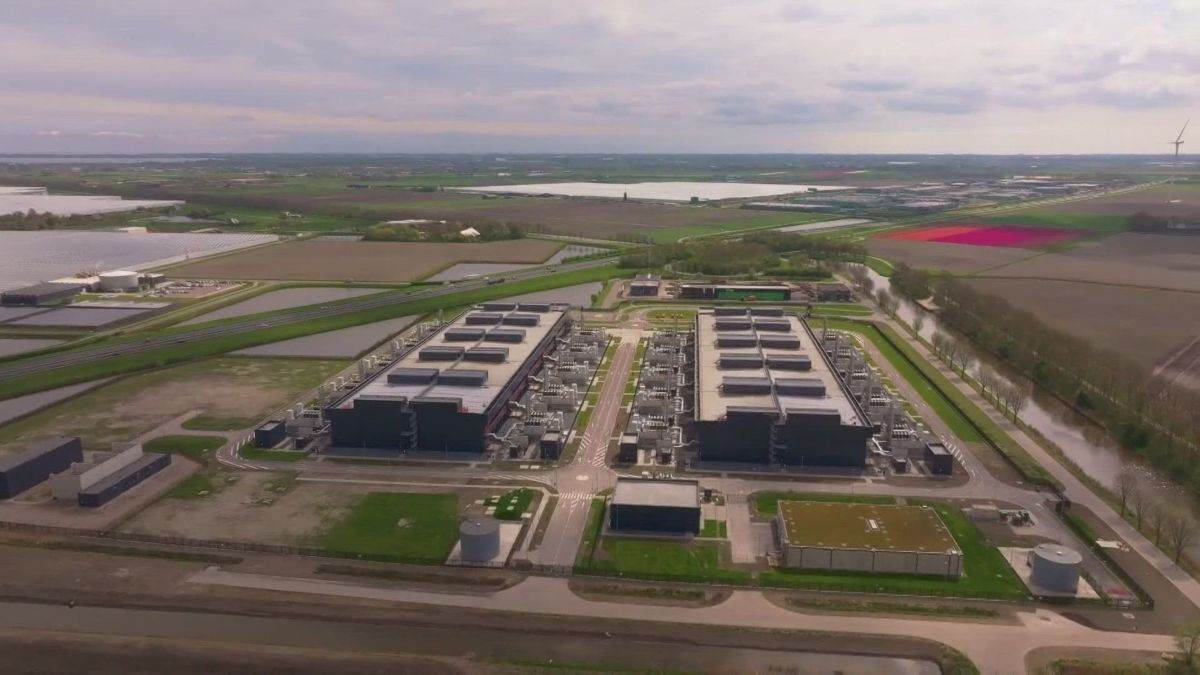
Your AI chatbot sessions and cloud-stored photos might get more expensive if other states follow Maine’s lead. Lawmakers there just advanced the nation’s first statewide moratorium on large data centers, citing concerns that the AI boom is pushing electricity costs even higher in a state already suffering America’s priciest power bills.
The Democratic-controlled legislature advanced bill LD 307, temporarily blocking permits for any new data center requiring more than 20 megawatts. The measure runs until November 2027, buying time for a new Data Center Coordination Council to study how these facilities strain Maine’s aging electrical grid.
Political Theater Meets Policy Reality
Gov. Janet Mills supports the pause while developers scramble for exemptions.
The bill gained traction after residents in Wiscasset and Lewiston successfully opposed data center proposals over water usage and safety concerns. Projects now in limbo include facilities planned for:
- Jay (at an old paper mill site)
- Sanford
- Loring Air Force Base
“Taking this pause now is going to be crucial,” Rep. Christopher Kessler said, according to Maine Public Radio, reflecting growing legislative concern about grid capacity. Developer Tony McDonald disagrees, calling the proposed restrictions “disastrous” and claiming his team got “caught in this dragnet.”
Dominoes Falling Across the Map
Maine’s precedent could trigger similar restrictions nationwide.
The Pine Tree State isn’t alone in pumping the brakes. Counties in Michigan and Indiana have imposed their own local pauses on data center development, while cities from Denver to Detroit weigh restrictions as hyperscale facilities chase cheap land and reliable power.
The timing reflects broader anxiety about AI’s infrastructure appetite. Data centers now consume roughly 4% of U.S. electricity, with projections suggesting that figure could double by 2030. For Mainers already paying some of the nation’s highest residential rates, that mathematical reality hits differently than Silicon Valley’s endless optimization rhetoric.
Maine’s move represents what economist Anirban Basu called a “canary in the coal mine” for state-level resistance to Big Tech’s energy demands. Whether that precedent spreads depends on how aggressively other governors follow Maine’s lead—and whether your favorite AI services start charging accordingly.