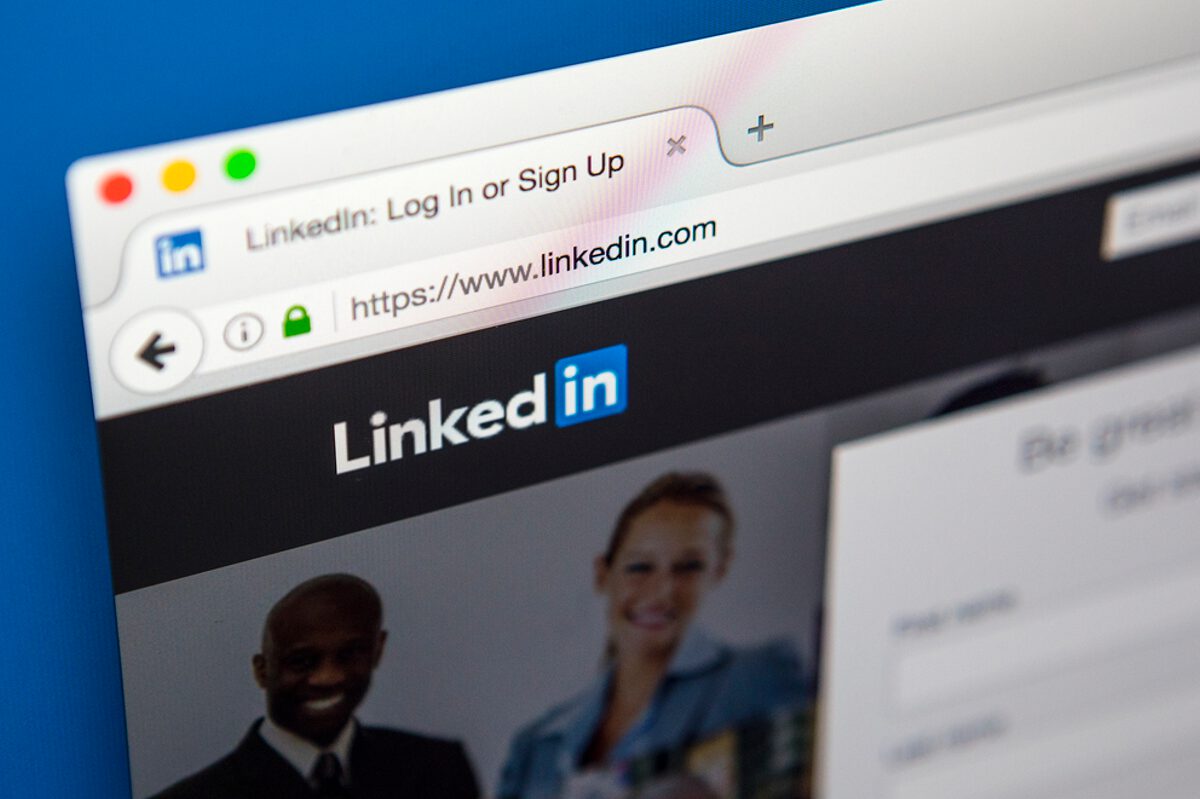
Your weekly LinkedIn scroll just became a privacy nightmare. According to Browsergate.eu, visiting the professional platform triggers hidden scripts that scan your browser for installed extensions, transmitting this data to third parties without your consent or knowledge. The allegations are that LinkedIn’s covert surveillance operation maps everything from your job search tools to sensitive personal indicators revealing political beliefs, disabilities, and religious affiliations.
The Digital Fingerprinting Operation
The claim is that LinkedIn’s “BrowserGate” operation catalogs your digital toolkit with unprecedented scope.
The investigation alleges LinkedIn monitors browser extensions through sophisticated fingerprinting scripts, though the exact count remains disputed—Fairlinked claims over 6,000 extensions while independent analysis suggests around 2,953. The alleged monitoring includes job-hunting tools and sales competitors like Apollo, Lusha, and ZoomInfo, according to Fairlinked’s breakdown. This isn’t casual analytics—it’s systematic intelligence gathering that reportedly beams results to HUMAN Security, a US-Israeli cybersecurity firm, plus Google’s tracking network.
Your browser extensions tell intimate stories. That disability assistance tool? Political activism plugin? Job search accelerator you installed during secret interviews? Fairlinked alleges LinkedIn captures it all, creating detailed profiles of users and their employers’ competitive landscapes.
Corporate Espionage Goes Digital
The allegations paint LinkedIn as a corporate spy network disguised as professional networking.
Companies using sales intelligence tools allegedly find themselves surveilled by the platform they’re trying to leverage. It’s like attending a networking event where the host secretly photographs your business cards and sells the intel to competitors.
LinkedIn’s dual standard amplifies the controversy. While offering developers limited API access, Fairlinked claims the platform uses its internal systems at dramatically higher speeds for surveillance operations. This allegedly violates EU Digital Markets Act requirements for fair API access among gatekeeper platforms.
Legal Reckoning Looms
These practices potentially breach GDPR’s strict prohibitions on processing special category data without explicit consent.
Unlike the hiQ Labs case where courts protected public data scraping, browser extension scanning invades private user environments. The hiQ ruling established that scraping publicly available LinkedIn profiles doesn’t constitute unauthorized access, but monitoring private browser environments represents a fundamentally different legal landscape.
EU regulators now face pressure to enforce DMA compliance against LinkedIn’s alleged surveillance expansion. LinkedIn and Microsoft haven’t responded to these allegations as of April 2026.
The question isn’t whether LinkedIn will address these claims—it’s whether you’ll keep feeding data to a platform that allegedly treats your browser like an open book.