Researching depression treatments shouldn’t require harvesting endangered toads. Yet that’s exactly the conservation nightmare facing psychedelic therapeutics—until researchers at Israel’s Weizmann Institute engineered a solution that sounds like science fiction.
The team, led by Paula Berman and Janka Höfer, successfully modified tobacco plants to produce five different psychedelics simultaneously: DMT, psilocin, psilocybin, bufotenin, and 5-MeO-DMT. They accomplished this Captain Planet-style feat by combining biosynthetic genes from plants, mushrooms, and toads into a single leaf.
“In one leaf, we get five different psychedelics from three different kingdoms,” explains Asaph Aharoni, the department head overseeing the project published in Science Advances this April.
Engineering Biology’s Greatest Hits Album
Cross-kingdom genetic engineering creates unprecedented therapeutic compound production.
The researchers identified key genes from:
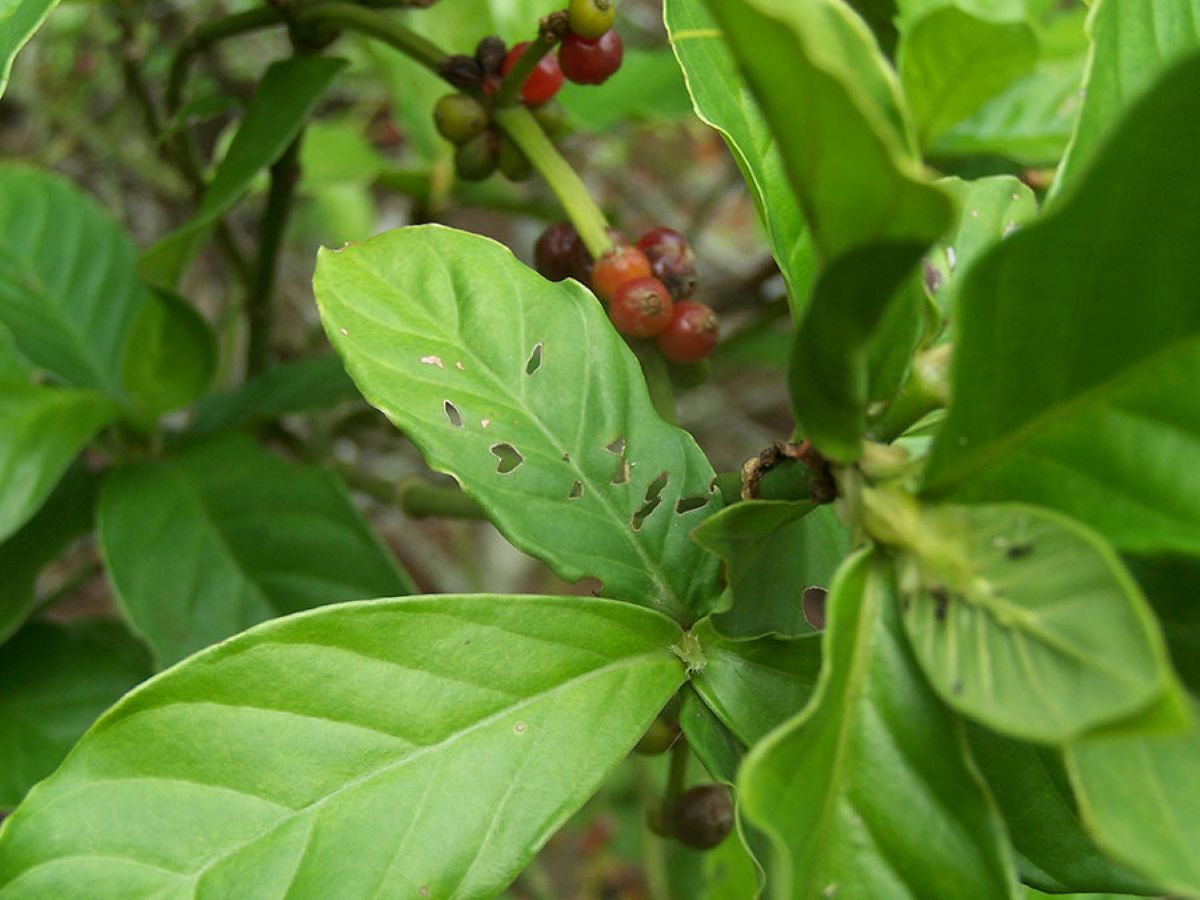
- Psychotria viridis (ayahuasca’s DMT source)
- Acacia trees
- Psilocybe cubensis mushrooms
- The Rhinella marina toad
They then introduced these genetic instructions into fast-growing Nicotiana benthamiana tobacco plants using techniques that would make any CRISPR enthusiast jealous.
Initial yields were modest due to competing pathways fighting over tryptophan resources—think multiple apps draining your phone battery simultaneously. But enzyme tweaks guided by AI tool AlphaFold3 boosted 5-MeO-DMT production 40-fold, proving the concept’s scalability.
“This combination of five psychedelics—I don’t think anyone has ever tried something like it,” notes Berman.
Saving Species Through Synthetic Biology
Engineered alternatives protect wild populations from research-driven extinction.
Traditional psychedelic sourcing resembles a conservation horror story. Sonoran Desert toads face extinction from overharvesting for 5-MeO-DMT. Ayahuasca plants suffer habitat destruction. Peyote populations dwindle under pressure from both ceremony seekers and pharmaceutical research.
This engineered approach offers sustainable alternatives for clinical trials investigating psychedelics’ potential against depression, anxiety, and PTSD. The genes remain non-heritable, preventing environmental spread while enabling controlled research production.
Future iterations might scale to crops like tomatoes, creating biological factories for therapeutic compounds without depleting wild populations. You’re witnessing synthetic biology tackle one of modern medicine’s most pressing supply chain problems—protecting ancient healing traditions through cutting-edge engineering that would make both shamans and scientists proud.