Toyota’s chief technology officer declares the company will make gasoline engines “to the very end” while competitors quietly abandon EV-only timelines.
Toyota just delivered the automotive industry’s most uncomfortable truth: you cannot get by without gasoline cars. While other manufacturers scramble to walk back aggressive electric-only deadlines, Toyota doubles down on internal combustion engines. CTO Hiroki Nakajima stated bluntly that “Toyota should be a company that makes ICE to the very end.” This isn’t climate denial—it’s infrastructure reality hitting marketing fantasy head-on.
The Corolla’s Multi-Tool Approach
Next-generation sedan offers hybrid, ICE, and potential EV variants because one size doesn’t fit global markets.
The upcoming 13th-generation Corolla embodies Toyota’s pragmatic strategy. Its new hybrid system combines a 94-horsepower gas engine with a 40-horsepower electric motor, delivering 134 total horsepower and 10-20% better fuel economy. The platform supports pure gasoline, plug-in hybrid, or full electric configurations.
Toyota recognizes what EV evangelists ignore: your charging infrastructure determines your powertrain options, not corporate press releases.
Numbers Don’t Lie
EV adoption remains patchy despite years of breathless coverage about the electric revolution.
The data tells Toyota’s story perfectly:
- US EV market share sits at 7.8% according to KBB
- Europe manages 19.5% for battery-only vehicles
- China includes hybrids in its 54% “new energy vehicle” figure
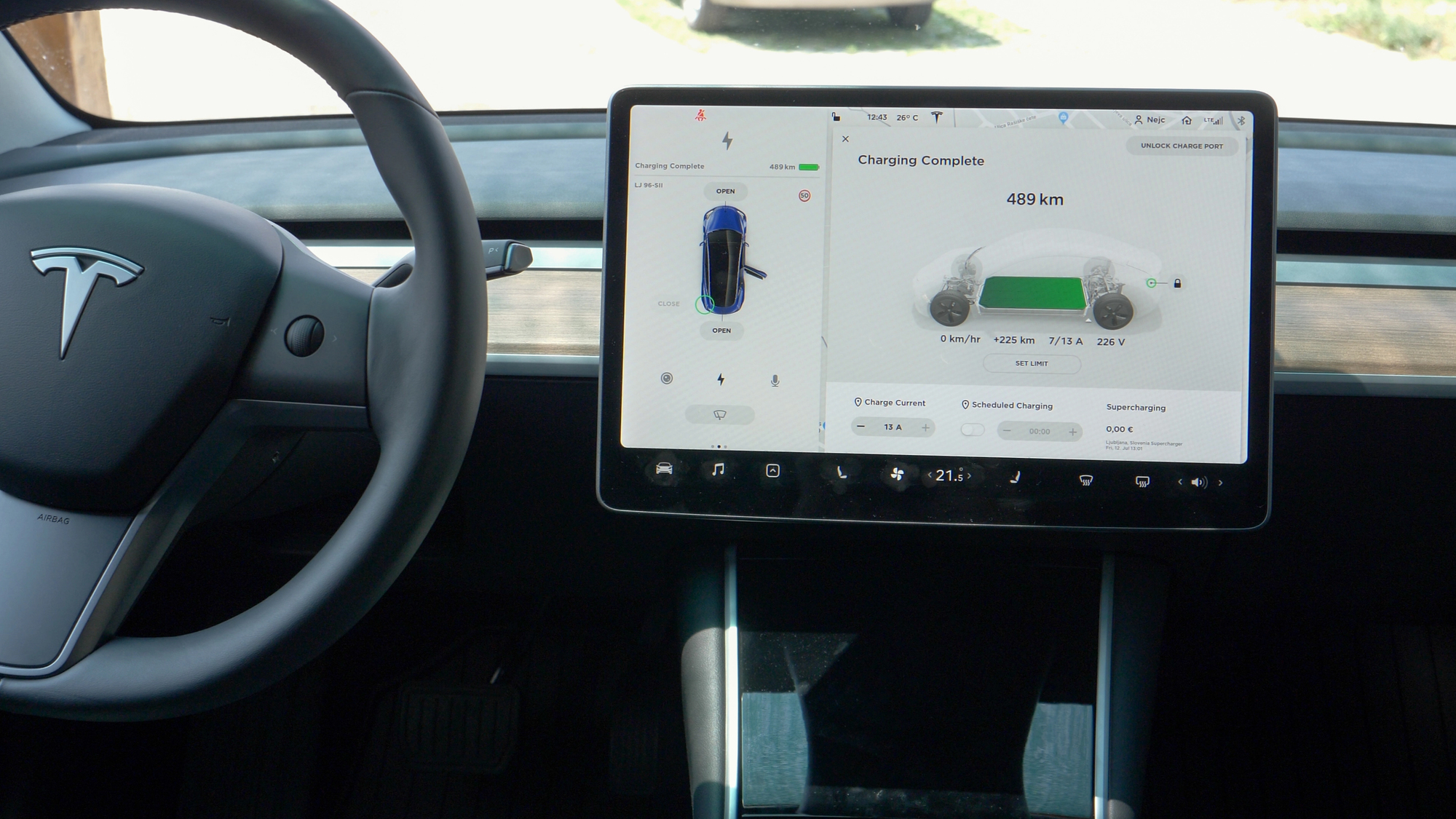
You know the frustration: planning road trips around charging stations, apartment dwellers with no overnight charging, or waiting 30 minutes to “refuel” instead of five. Toyota’s betting these pain points matter more than Twitter threads about the EV future.
The Long Game
Carbon-neutral fuels could extend gasoline engine viability while solving infrastructure headaches.
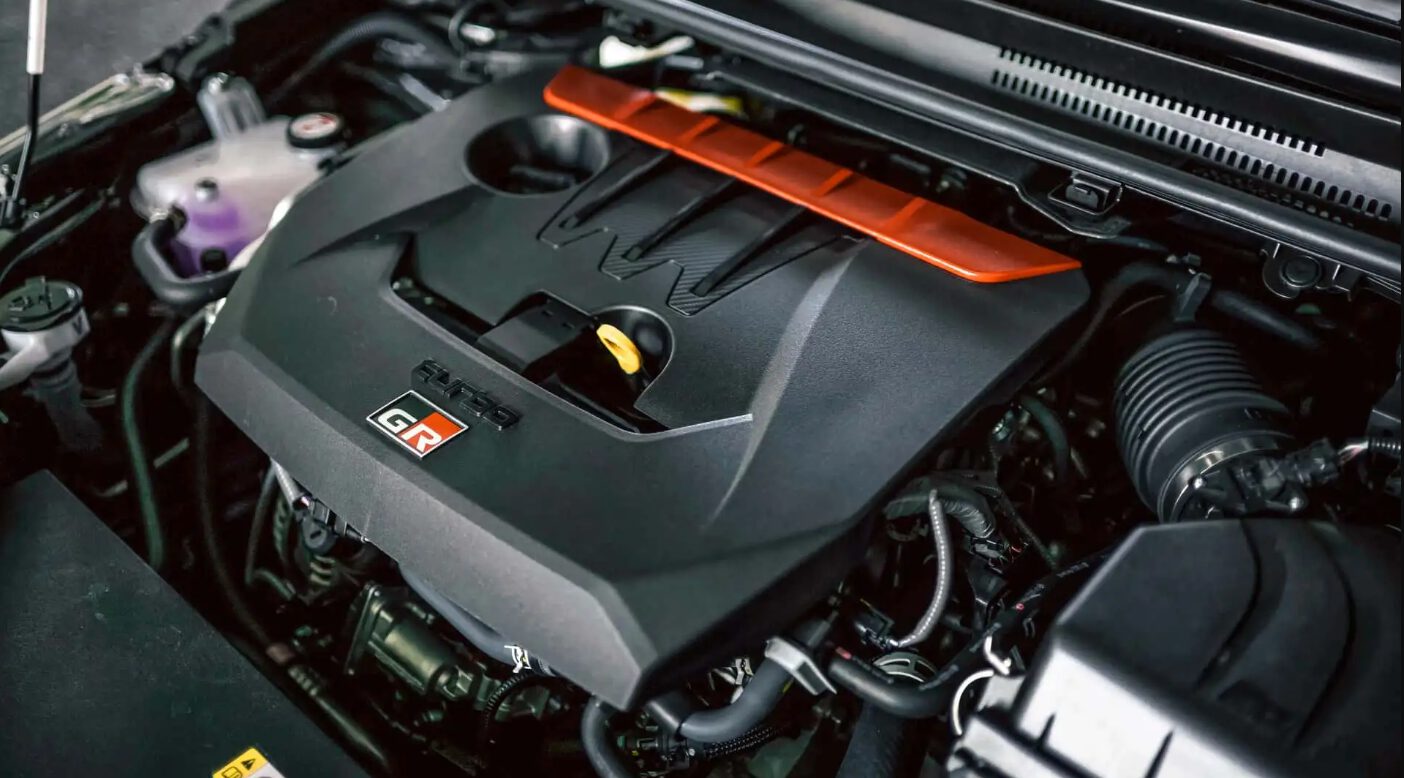
Toyota isn’t just defending yesterday’s technology—they’re reimagining it. Collaborations with Mazda and Subaru explore carbon-neutral fuels like liquid hydrogen and synthetic gasoline. New engines target over 50% thermal efficiency and multi-fuel compatibility.
Think of it as hedge betting: electric infrastructure might catch up eventually, but efficient combustion engines work everywhere right now. Toyota’s playing chess while others played checkers with consumer convenience.