Picture discovering that the innocuous warehouse project your planning board approved could actually become a massive AI infrastructure consuming 20 million gallons of water annually. Monroe Township residents lived this nightmare scenario—and they’re fighting back.
The township council introduced an ordinance March 25 specifically designed to eliminate data centers from the Hexa Builders Redevelopment Plan. This 1.6 million-square-foot project was unanimously approved by the planning board on January 8. The final vote comes April 8, potentially setting a regional precedent for communities asserting control over AI infrastructure expansion.
When Warehouses Become Wolf in Sheep’s Clothing
Residents discovered the approved development could pivot to data center use after construction.
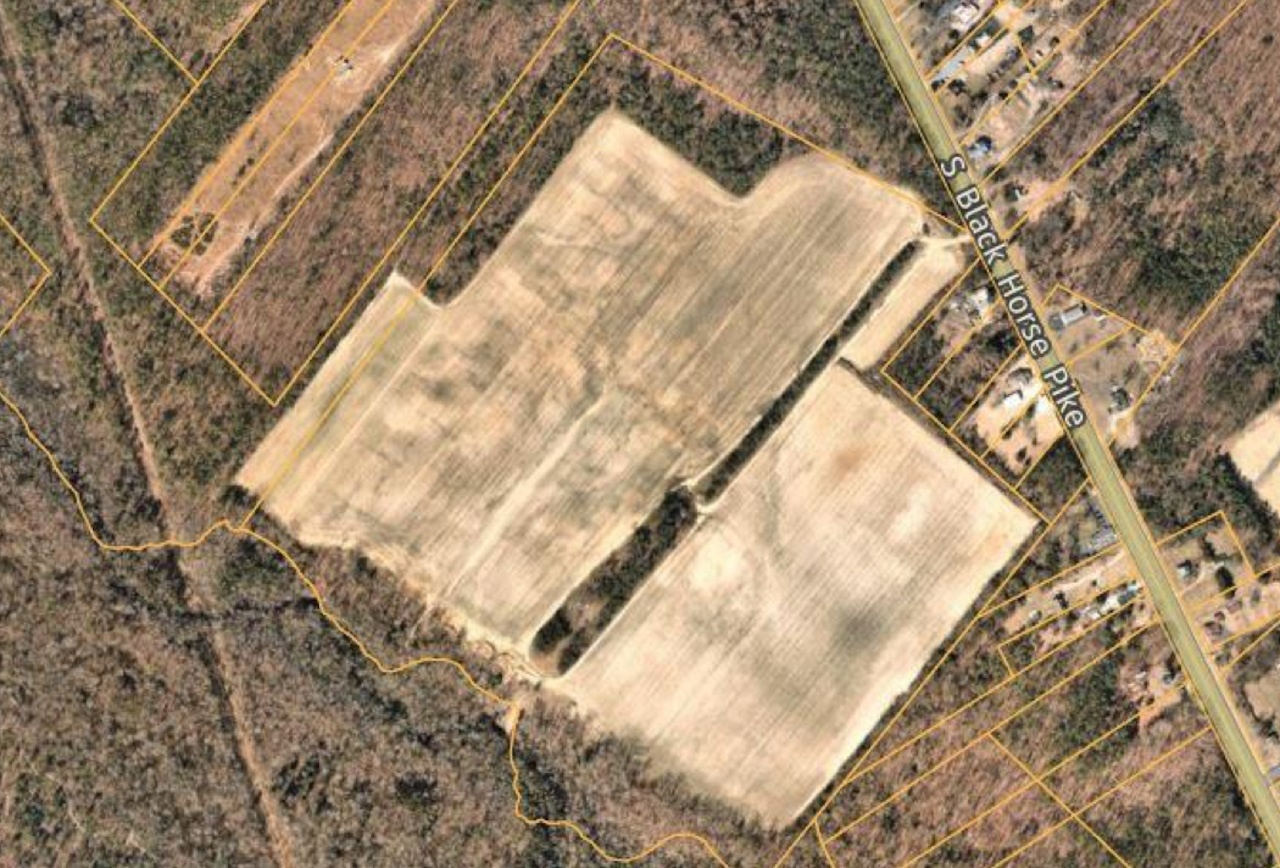
The 159-acre site along Black Horse Pike and Route 322 includes 95 acres of vacant farmland with environmentally sensitive wetlands. Monroe Township had updated its zoning ordinances on June 25, 2025 to permit data centers—before any formal proposal existed. That decision haunted residents when they realized approved warehouse space could transform into something entirely different.
Data centers house networks of servers requiring massive electricity and water resources. AI data centers demand even higher cooling and energy levels than traditional facilities, yet their external appearance often resembles standard warehouses. You can see the problem: planning boards approve what looks like distribution space, but communities get industrial-scale computing infrastructure instead.
Municipal Leaders Navigate Legal Minefield
Mayor promises township-wide ban but emphasizes careful legal strategy to avoid litigation.
Mayor Greg Wolfe stated the ordinance represents just the first step toward township-wide prohibition. “We are committed to figuring out a legal way to ban data centers altogether, but it has to be done the right way,” Wolfe explained. “The last thing we want to do is rush an ordinance, get sued, lose, and end up with a data center here anyway.”
All council members except John Valentine voted to introduce the measure. Valentine opposed it precisely because it only removes data centers from one redevelopment plan rather than banning them township-wide. “All this does is remove it as a permitted use,” Valentine argued. “I don’t want to see a year from now this come right back.”
Regional Rebellion Gains Momentum
Other New Jersey municipalities follow Pemberton Township’s groundbreaking prohibition.
Pemberton Township broke the ice February 20, becoming the first New Jersey municipality to explicitly ban data center construction and operation. Phillipsburg is now exploring similar restrictions.
The urgency stems from Vineland’s cautionary tale. That city hosts one of the largest AI data centers on the East Coast—a 2.6 million-square-foot facility under construction that will consume approximately 20 million gallons of water annually while drawing power equivalent to a small city. Residents report persistent humming noise causing anxiety and sleep disturbances.
Monroe Township’s April 8 vote could accelerate this municipal rebellion against AI infrastructure expansion, proving that sometimes local democracy trumps big tech’s server farms.