Car depreciation hits faster than that embarrassing tweet you immediately regret posting. Understanding this value erosion matters whether you’re eyeing a shiny new ride or hunting for a pre-owned gem. Knowledge equals power, and in this case, it’s also dollars saved. These data-driven picks shed value at warp speed, and knowing these devaluing devils could prevent future financial face-palms.
1. Jaguar I-PACE (Exterior)
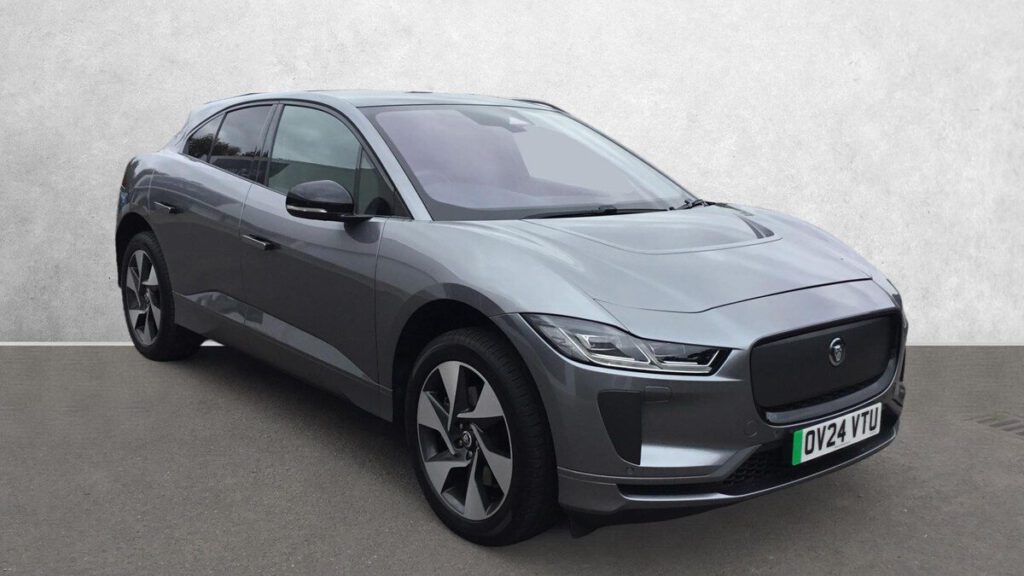
The electric dream that became a depreciation nightmare.
Losing 72.2% of its value in five years, the Jaguar I-PACE hemorrhages $51,953 faster than ice sculptures at a Miami wedding. Designed by Ian Callum and boasting 394 horsepower, this all-electric SUV promised a stylish leap into the EV future.
Jaguar I-PACE (Interior)
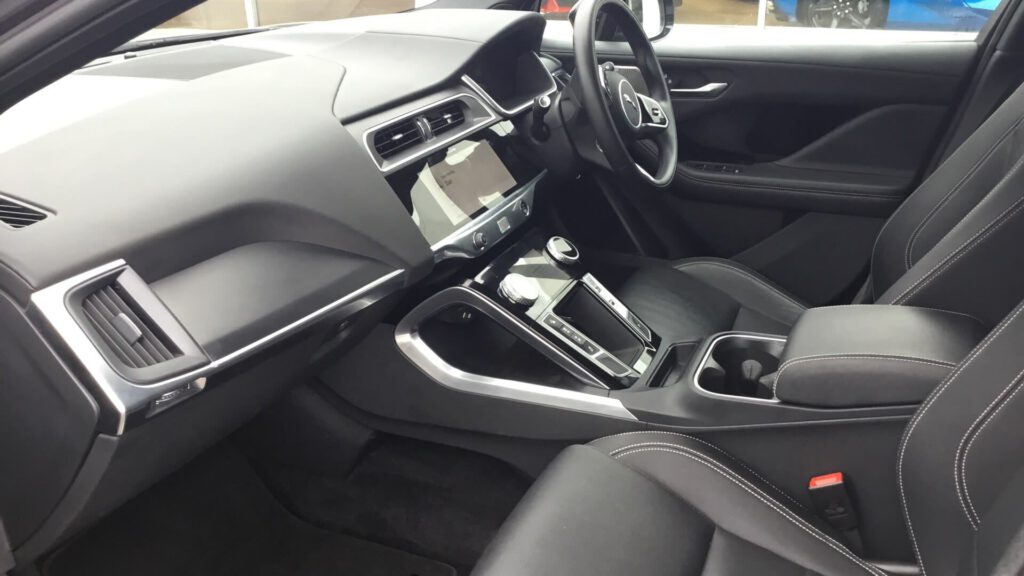
Then came reliability reports, range anxieties, and the final nail: discontinuation after the 2024 model year. EV buyers want dependability more than a fancy British badge. The I-PACE may turn heads, but its value disappears faster than a vegan at a steakhouse.
2. Maserati Quattroporte (Exterior)
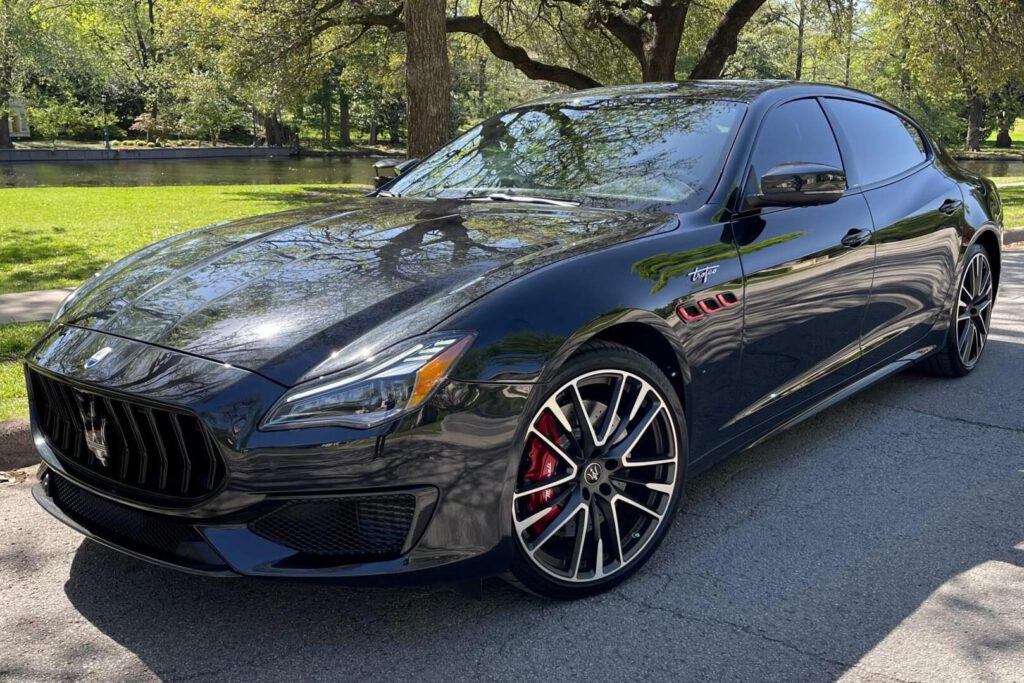
Italian elegance meets financial catastrophe.
Want a $140,000 status symbol that’ll be worth less than your neighbor’s Corolla in five years? The Maserati Quattroporte delivers an 83% value drop, transforming from luxury ride to $23,000 headache faster than you can say “reliability nightmare.”
Maserati Quattroporte (Interior)
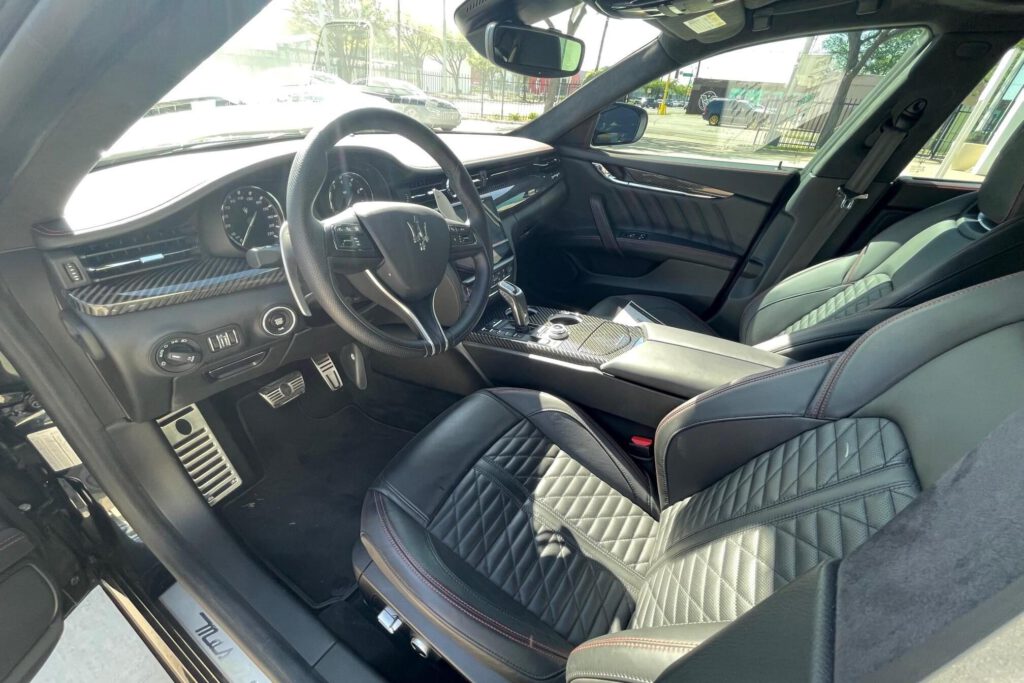
Classic Maserati styling and that signature Italian exhaust note can’t mask electrical gremlins, suspension failures, and transmission issues. Interior materials literally melt in heat. It’s like owning a high-maintenance celebrity: glamorous on the surface, but a constant drain on your resources.
3. BMW 7 Series (Exterior)
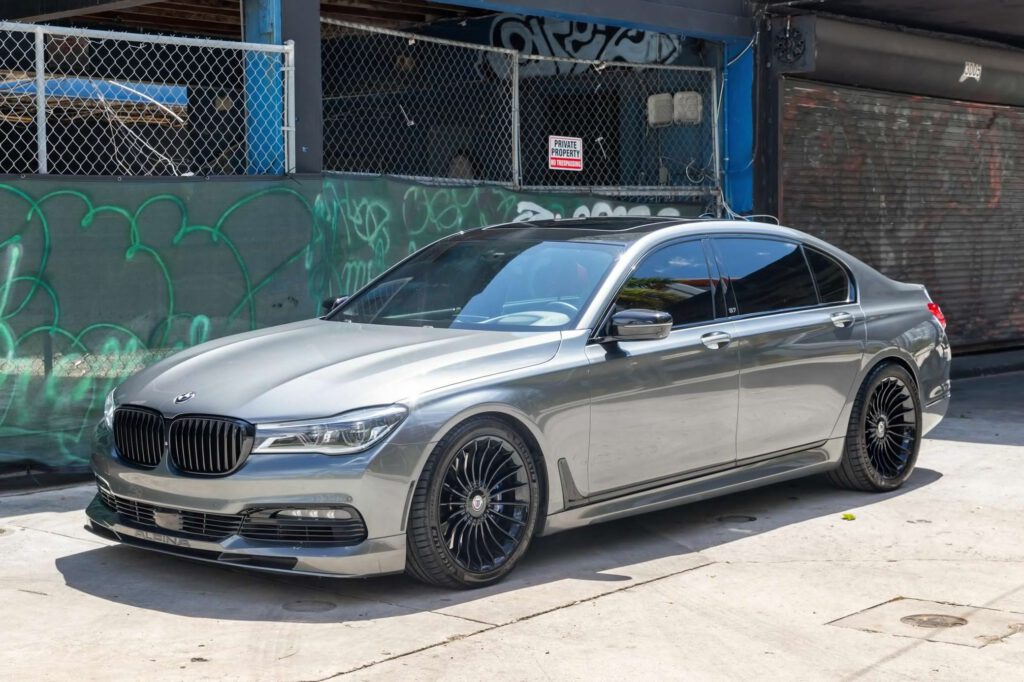
When cutting-edge tech becomes yesterday’s news.
Technology becomes obsolete within three years, which explains why your BMW 7 Series with iDrive 8.5 system loses 67.1% of its value in five years, shedding $65,249. That curved display won’t distract from brake system failures, steering spindle snafus, or electrical gremlins plaguing early 2000s models.
BMW 7 Series (Interior)
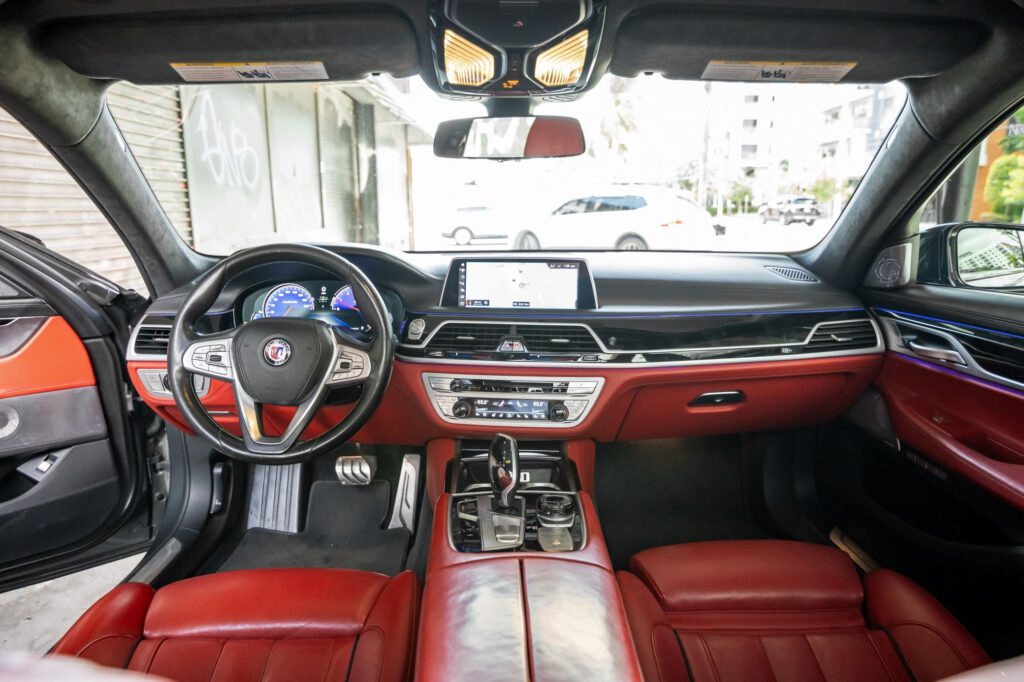
The 7 Series depreciates faster than a snowflake in July, thanks to BMW’s historically suspect long-term reliability. You’re basically driving a tech-laden time bomb with hands-free highway assist.
4. Nissan Leaf (Exterior)
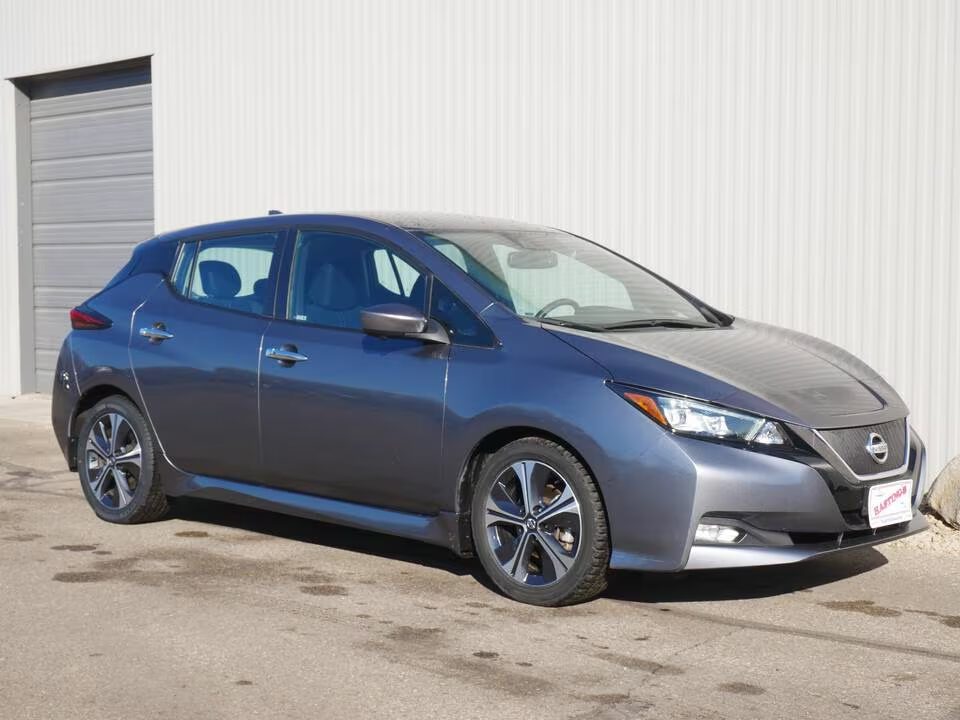
The electric pioneer that couldn’t keep pace.
Few things sting like buying an electric vehicle that costs more in depreciation than it saves on gas. The Nissan Leaf, initially boasting 84 miles of range, loses 64.1% of its value in five years—around $18,000 evaporated.
Nissan Leaf (Interior)
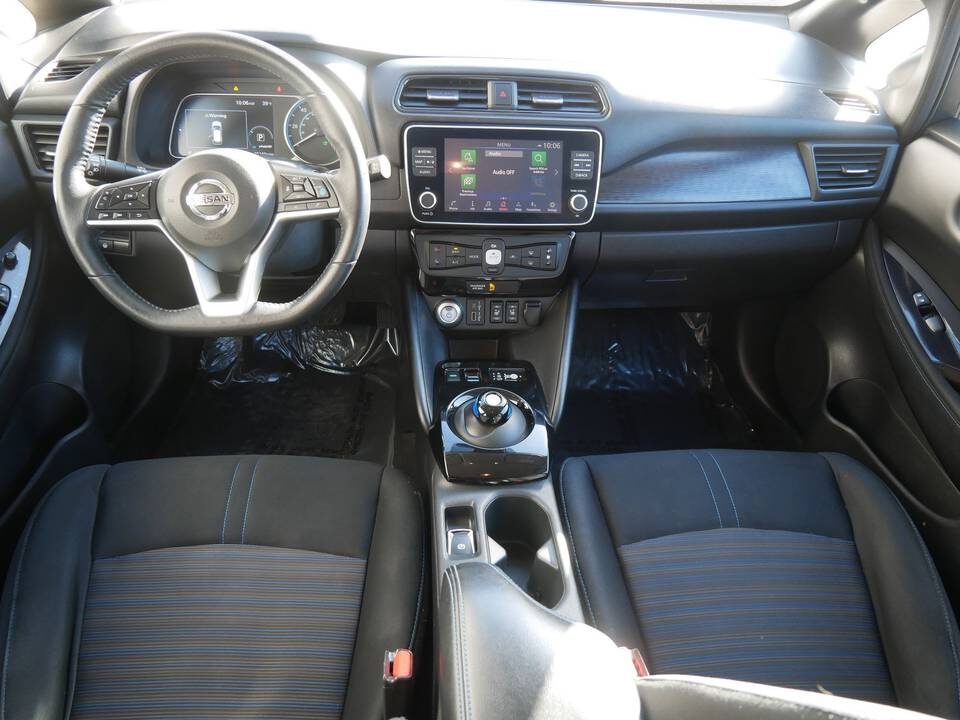
After four years, expect 15% battery degradation. With passive air cooling—like cooling a server farm with a desk fan—some high-mileage Leafs retain only 50-60% battery health. That 84-mile range becomes 15-20 miles of usable range, turning EV dreams into a glorified golf cart.
5. Maserati Ghibli (Exterior)
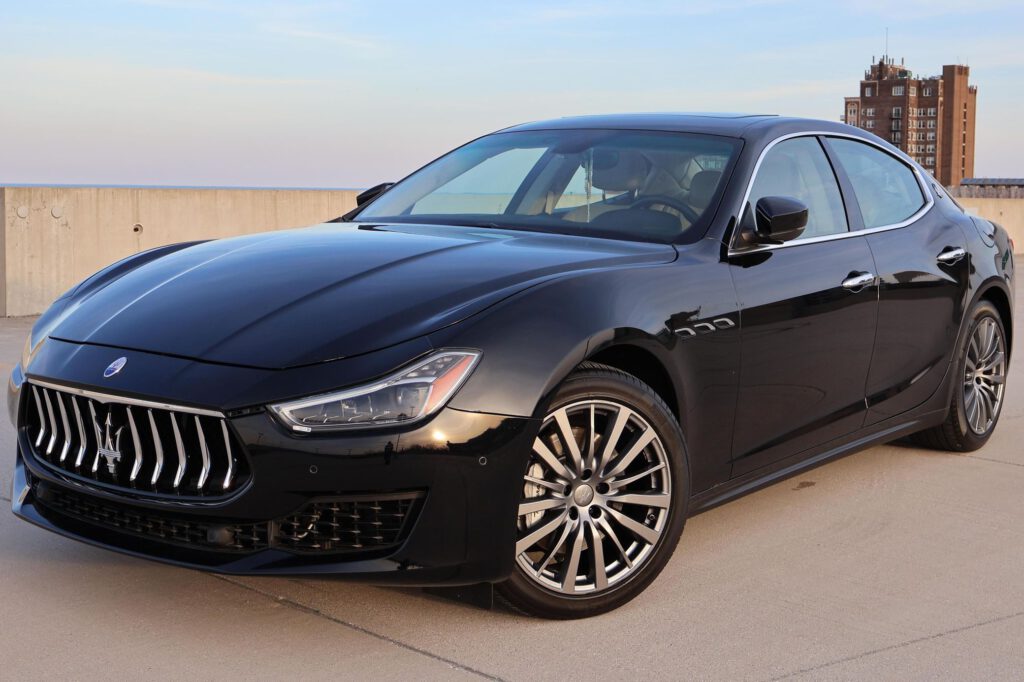
When Chrysler parts meet Italian prices.
Losing 64.7% of its value in five years, the Maserati Ghibli isn’t just depreciating—it’s free-falling. Some model years shed up to 82%. Discovering interior components lifted from a Chrysler 300 cheapens the magic of those sexy Italian curves and twin-turbo V6.
Maserati Ghibli (Interior)
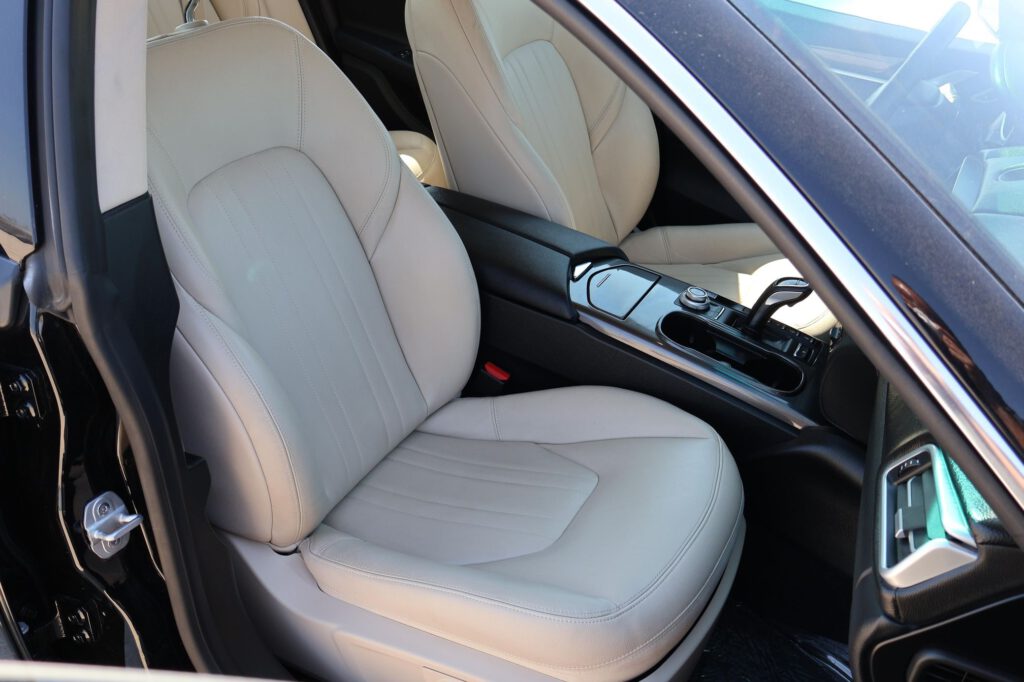
Melting interiors in early models, clutch problems costing more than rent, and noise levels resembling monster trucks compound the financial sting. That depreciation curve might actually thrill more than the car itself.
6. Maserati Levante (Exterior)
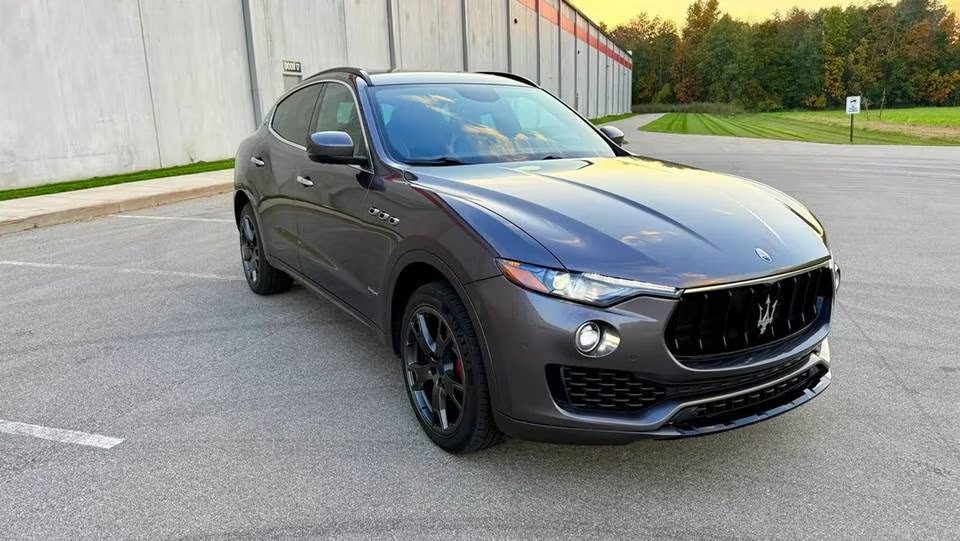
Italian luxury SUV meets gravity.
Sliding down at 63.7% over five years, the Maserati Levante proves luxury SUVs can’t escape financial gravity. Roughly $64,991 vanishes into thin air alongside suspension issues, electrical failures, brake problems, and power steering failures.
Maserati Levante (Interior)
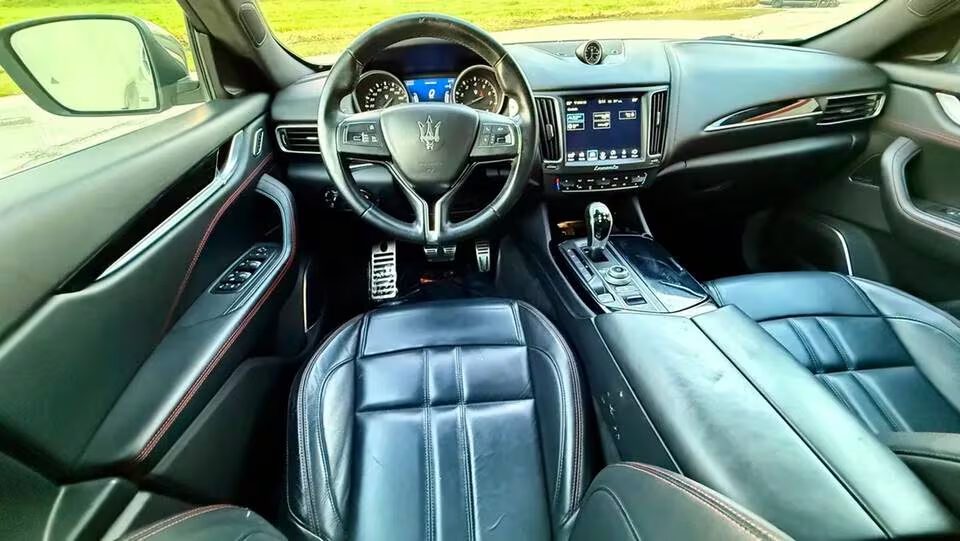
Fuel system leaks complete the misery package. Even the Trofeo trim’s V8 roar gets drowned out by repair bill symphonies. Italian romances work better on silver screens than driveways.
7. Tesla Model X (Exterior)
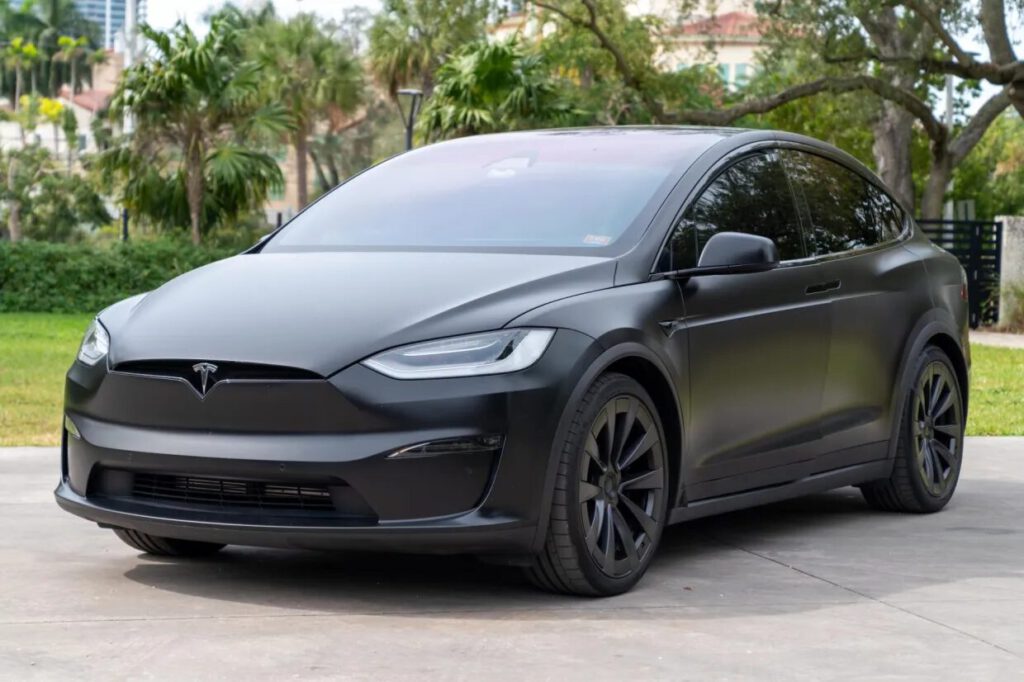
Tomorrow’s tech becomes today’s headache.
The Tesla Model X loses 63.4% of its value after five years—roughly $53,846 vanishing faster than free WiFi at a coffee shop. Those fancy Falcon Wing doors become mechanical divas with repair bills rivaling small yacht upkeep.
Tesla Model X (Interior)
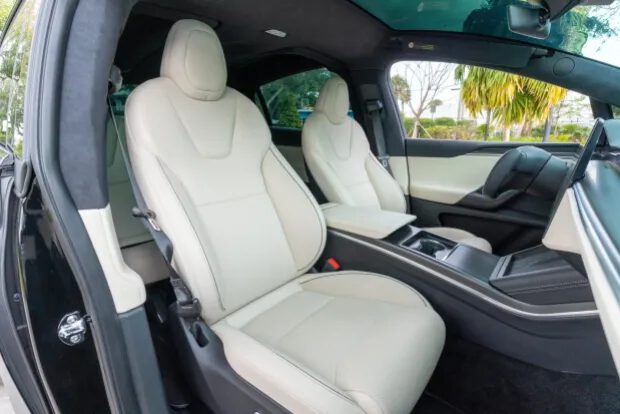
The minimalist interior shows wear faster than white sneakers at Coachella. Constant new model price cuts undermine used values, including a 7.3% single-year drop. Future ownership means future repair bills.
8. Polestar 2 (Exterior)
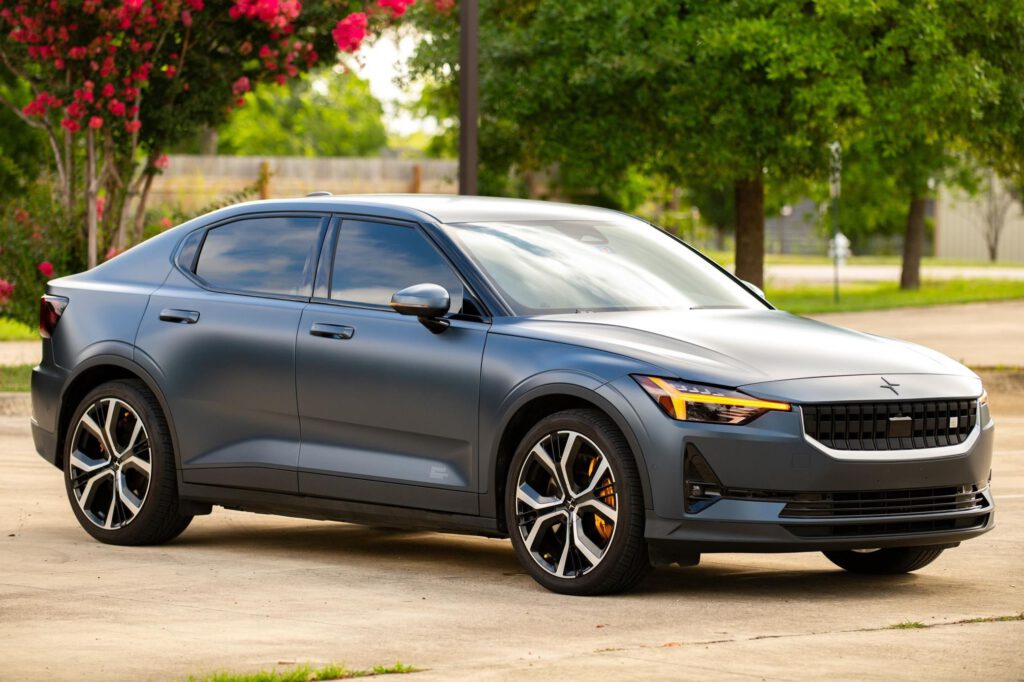
The electric startup struggling for identity.
Launched in 2021 as Volvo’s electric spin-off, the Polestar 2 offered reasonable luxury EV pricing and Volvo-like build quality. That’s where the “like Volvo” similarities end.
Polestar 2 (Interior)
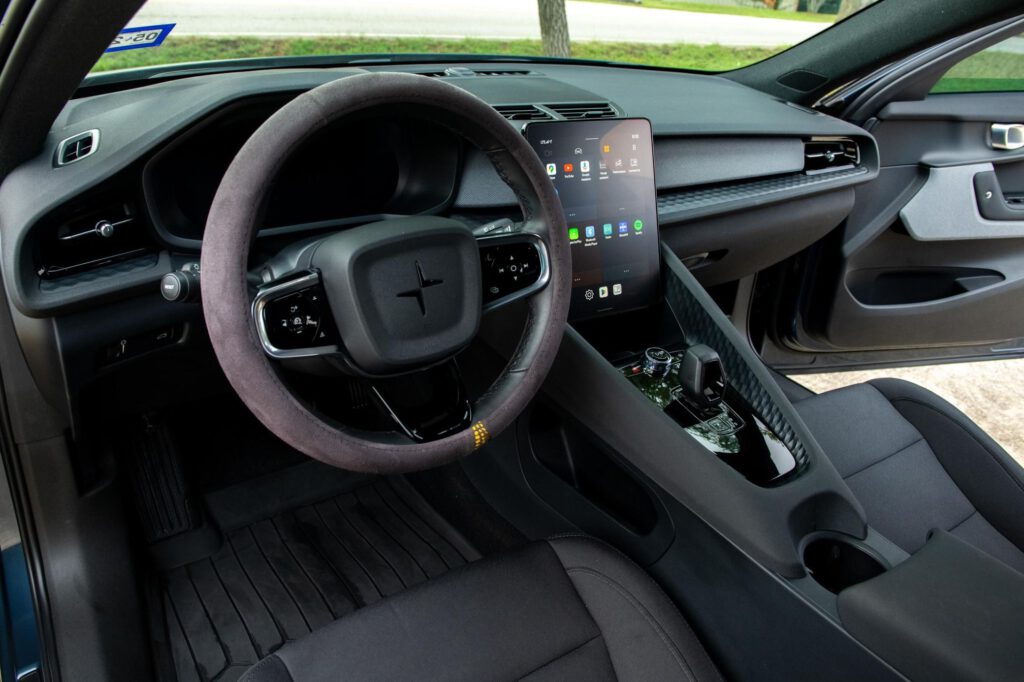
Limited brand recognition, dealer networks, and service options haven’t helped resale values. Rapid EV evolution makes range and efficiency shortcomings compared to newer competitors even more glaring, creating depreciation steeper than your mortgage payment.
9. Cadillac Escalade ESV (Exterior)
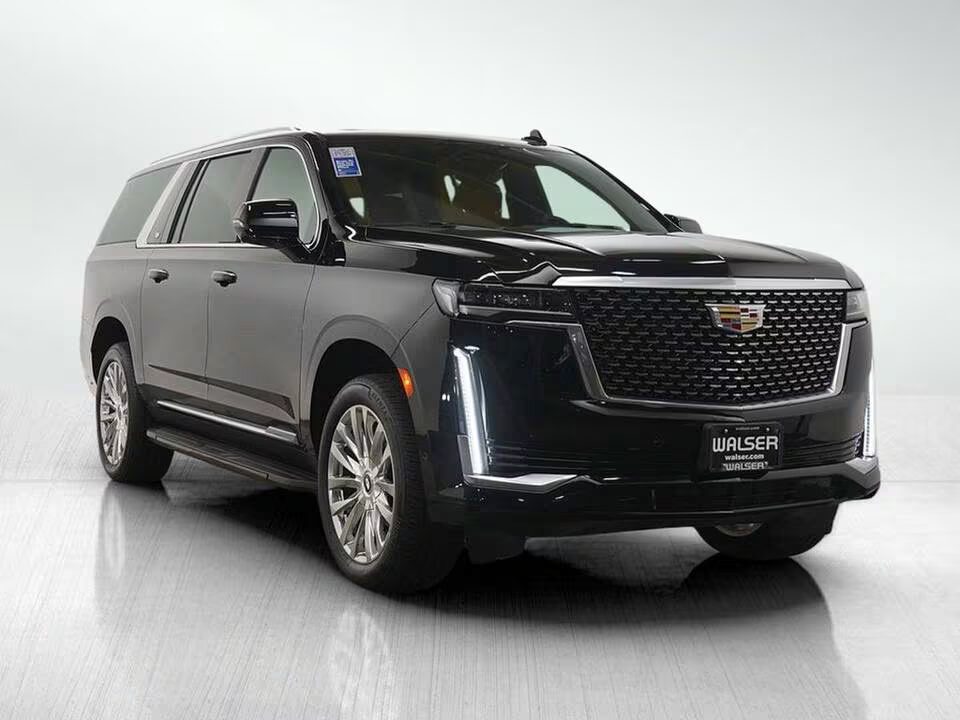
Luxury SUV meets recall reality.
Despite curved OLED displays and Super Cruise features, the Escalade ESV loses 62.9% of its value in five years—roughly $56,996 gone. The real gut punch? 2021-2024 models face recalls affecting 597,571 units for potential engine failures and 463,295 more for transmission control valve failures potentially locking rear wheels.
Cadillac Escalade ESV (Exterior)
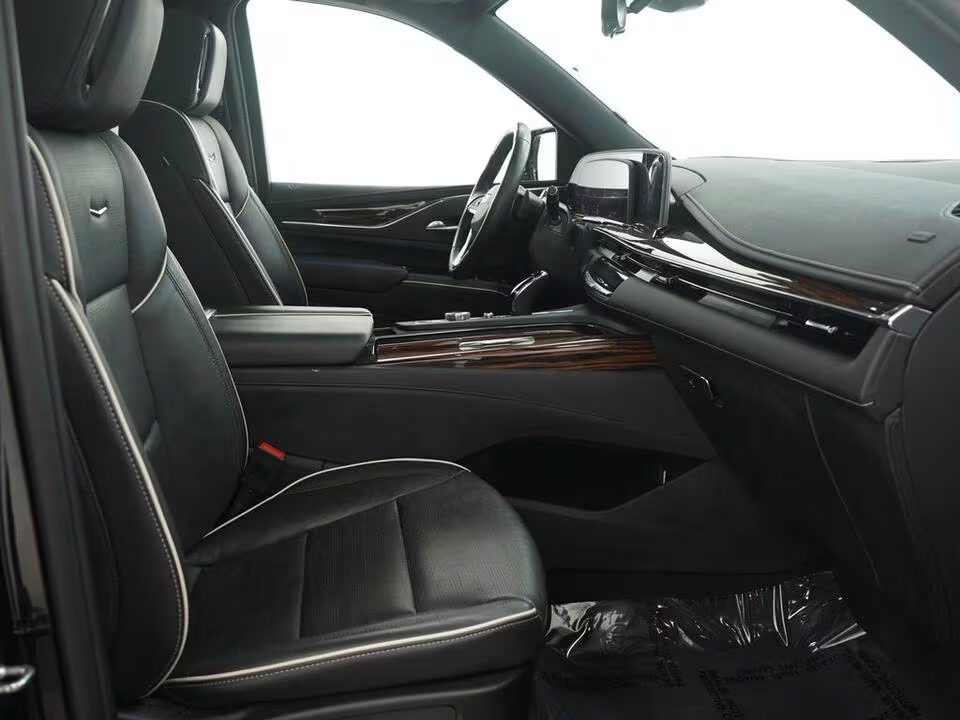
That luxury price suddenly doesn’t look so appealing when facing potential mechanical nightmares.
10. Infiniti QX80 (Exterior)
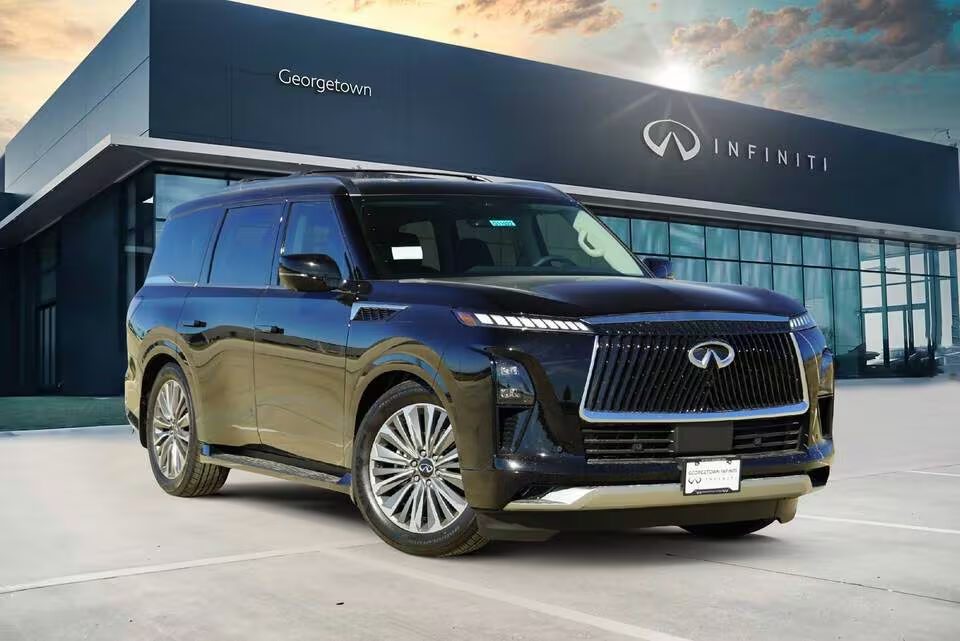
Designer handbag made from backpack material.
Losing 65% of its value in five years stings worse than realizing your “luxury” SUV is basically a gussied-up Nissan Armada. Until the 2025 redesign, you paid premiums for ancient architecture and dismal fuel economy.
Infiniti QX80 (Interior)
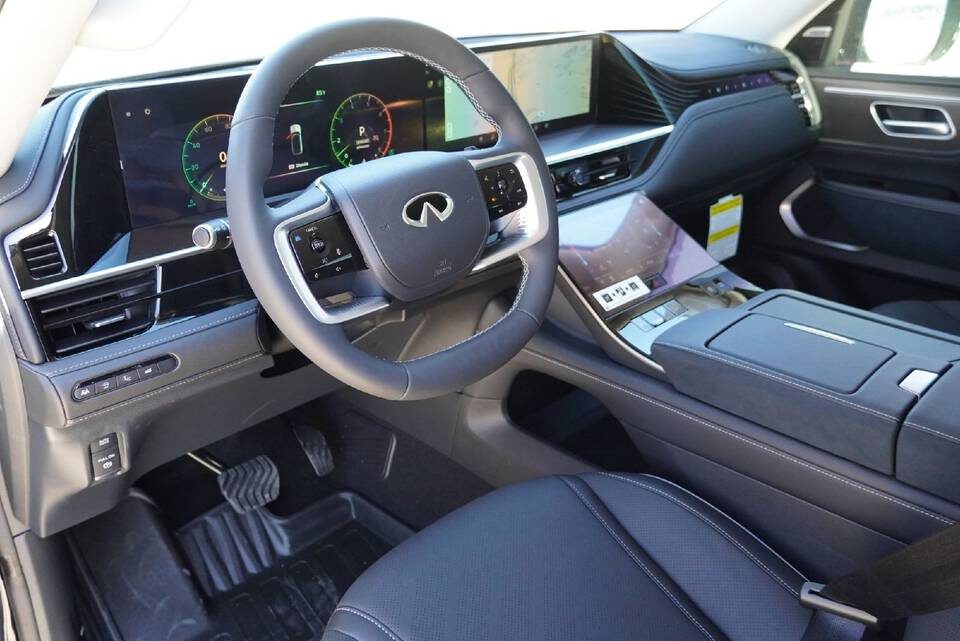
Air suspension failures, electrical gremlins draining batteries, and timing chain issues aren’t exactly luxury experiences. Skip the badge engineering and pocket the difference.
11. BMW M8 Gran Coupe (Exterior)
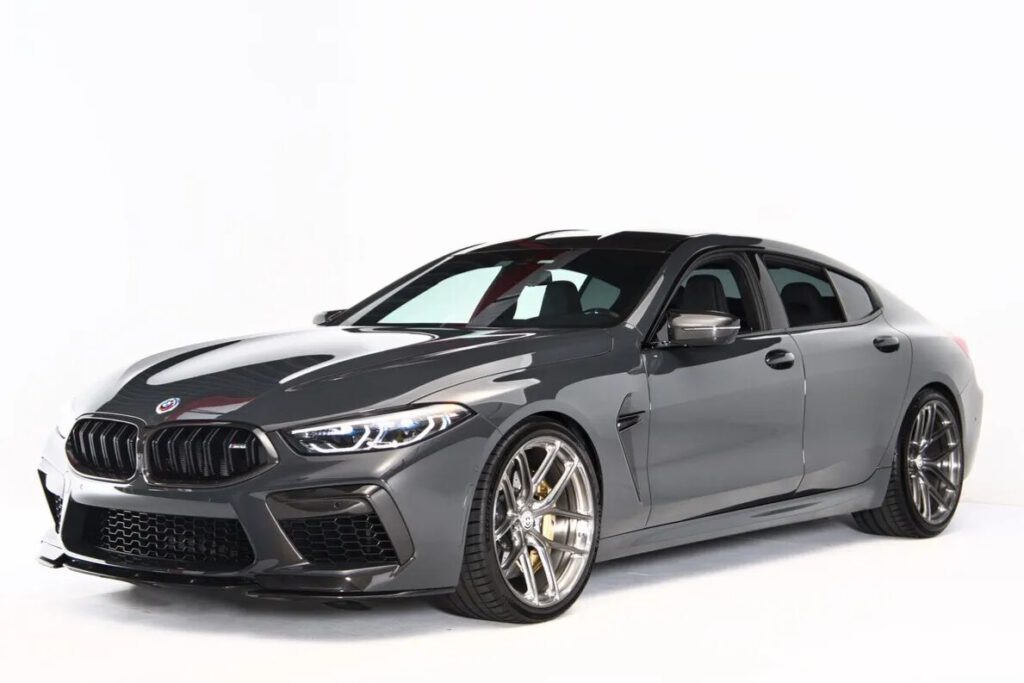
Front-row seats to the depreciation derby.
Dropping nearly 60% of its value in five years hurts when you’ve dropped around $140,000 expecting Bentley-rivaling luxury. That twin-turbo V8 pushing over 600 horsepower can’t prevent becoming a $60,000 ride after five years—**$83,475** evaporated.
BMW M8 Gran Coupe (Interior)
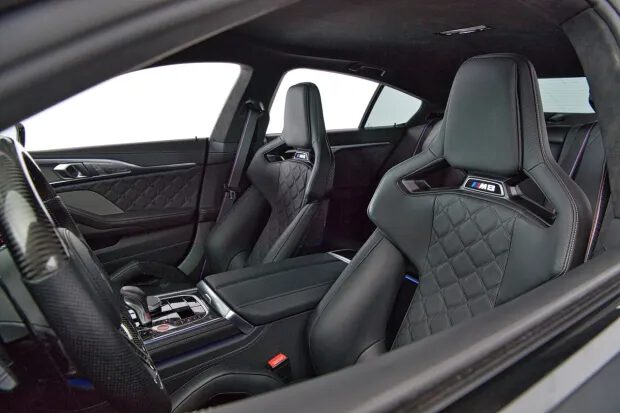
It’s like buying a yacht: fun while it lasts, but your accountant files extensions every April.
12. BMW M5 (Exterior)
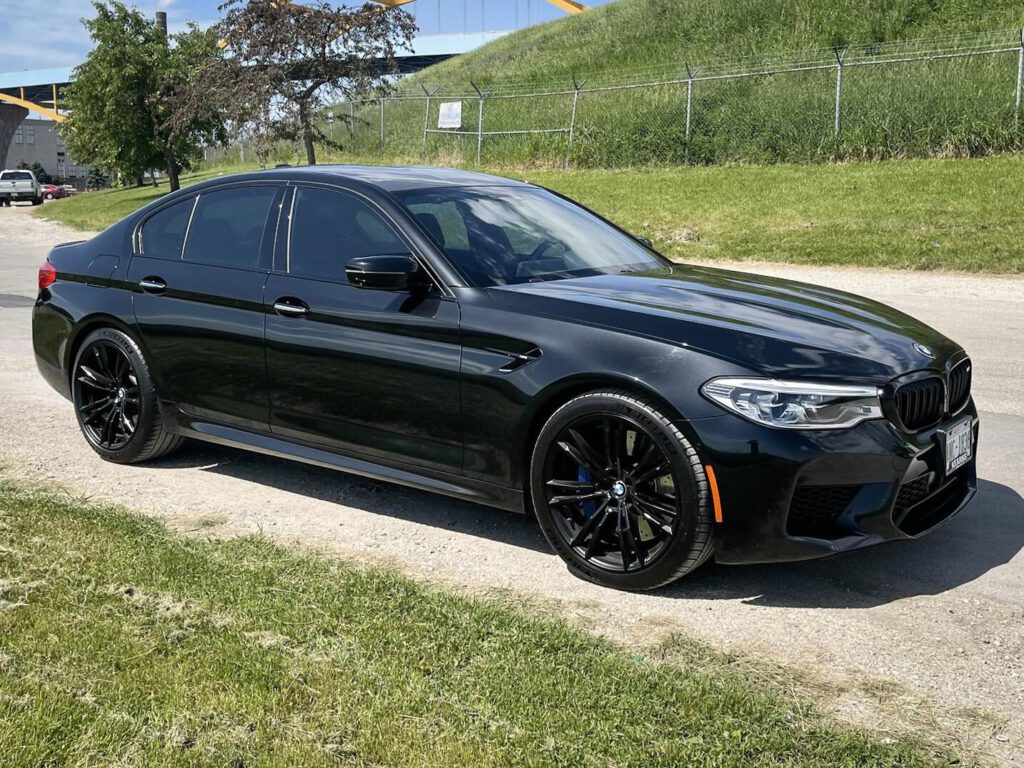
When performance meets plummeting values.
BMW M5s lose about 60% of their value in five years, shedding over $71,000. The “only” 41.7% loss in three years provides little consolation when dollar losses exceed new BMW M2 MSRPs.
BMW M5 (Interior)
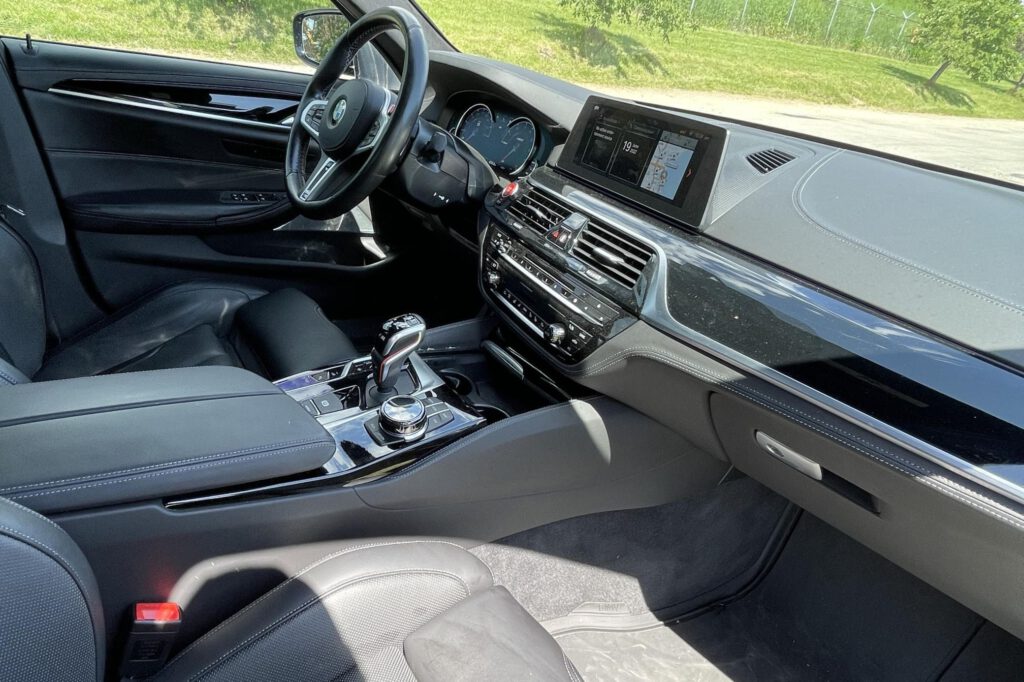
Blame the fickle performance sedan market, plug-in hybrid powertrain anxiety, or BMW’s constant model churning. Like dating profiles after bad angles, M5s get swiped left.
13. Mercedes-Benz S-Class (Exterior)
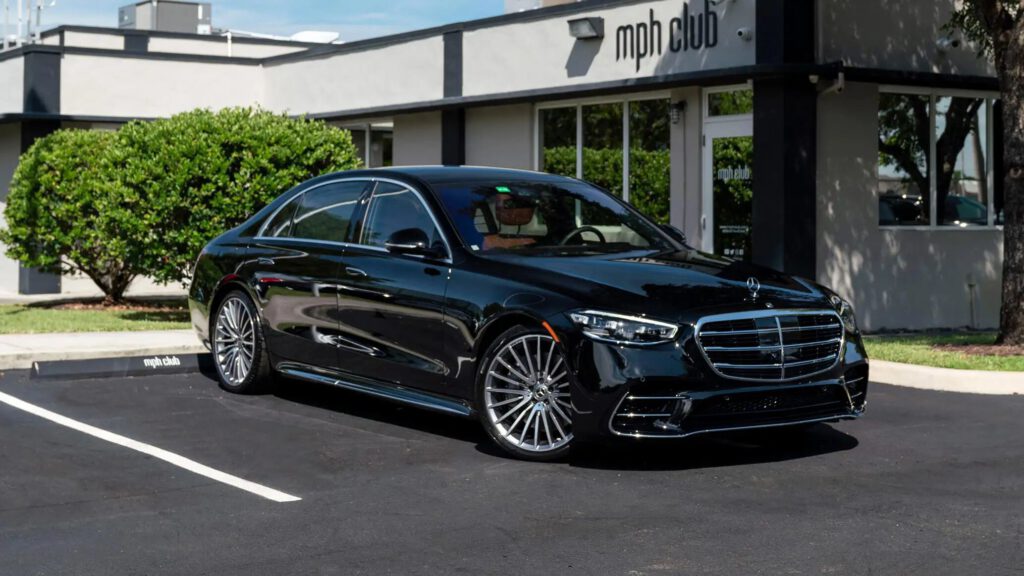
First-class cabin becomes Spirit Airlines.
Dropping 60.7% after five years stings considering the S-Class’s original sticker price. Cutting-edge driver assistance, massage seats, ambient lighting, and gesture controls feel revolutionary until three-year technology obsolescence hits.
Mercedes-Benz S-Class (Interior)
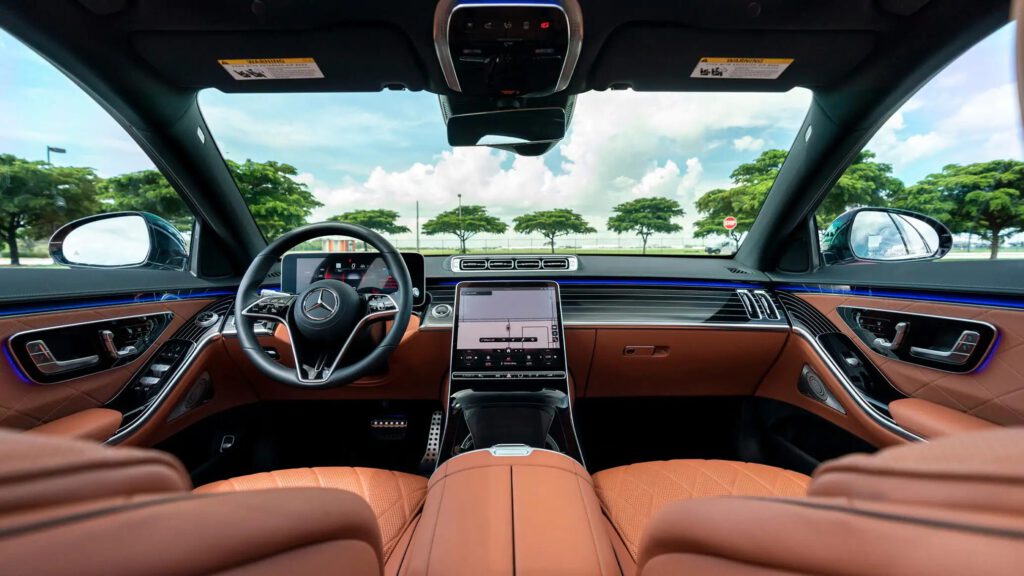
Complex German engineering meets luxury buyers chasing the next big thing, creating depreciation steeper than San Francisco streets.
14. Lincoln Navigator (Exterior)
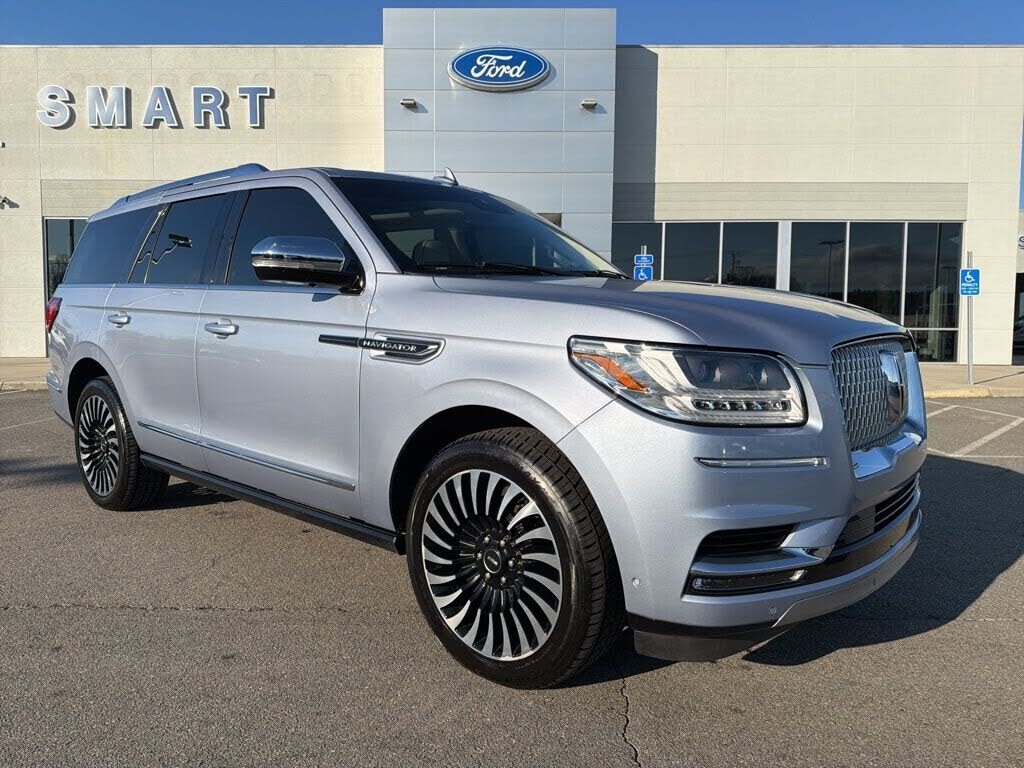
Luxury badge can’t hide Ford bones.
The Lincoln Navigator loses considerable value faster than tech stocks after bad tweets. Used buyers see through the Lincoln badge, recognizing the mechanically similar Ford Expedition underneath despite twin-turbo V6 engines and luxury aspirations.
Lincoln Navigator (Interior)
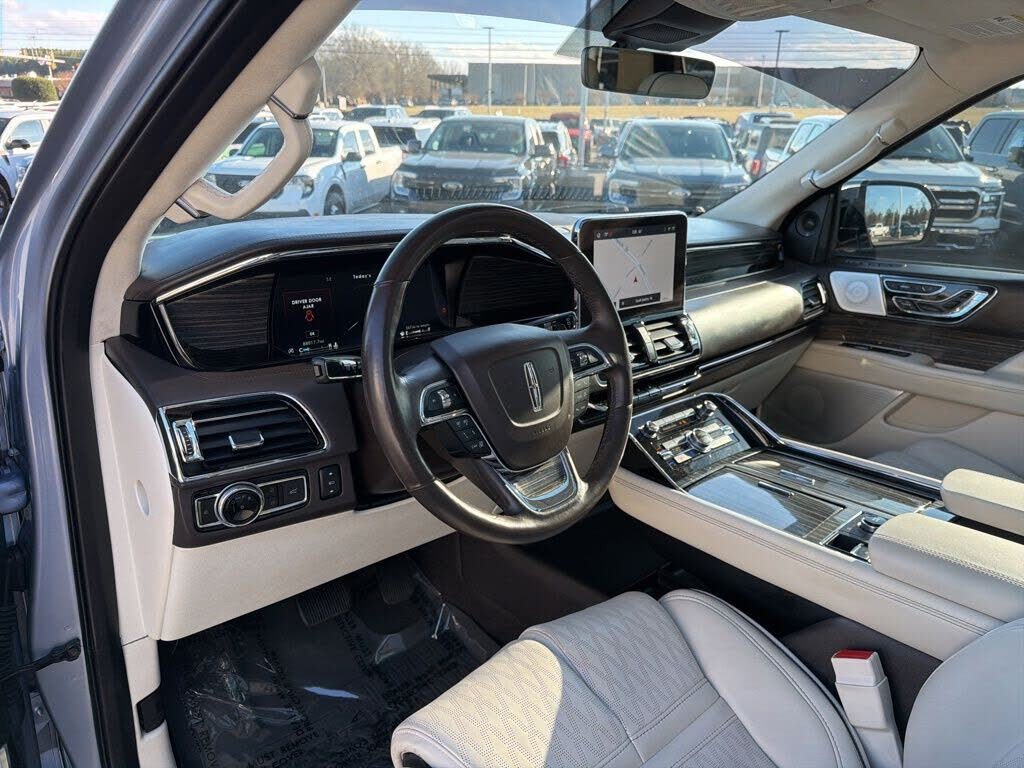
Playing second fiddle to Cadillac Escalade while commanding premium prices over Expeditions creates resale value echoing “Nah, fam.”
15. Hyundai Ioniq 5 (Exterior)
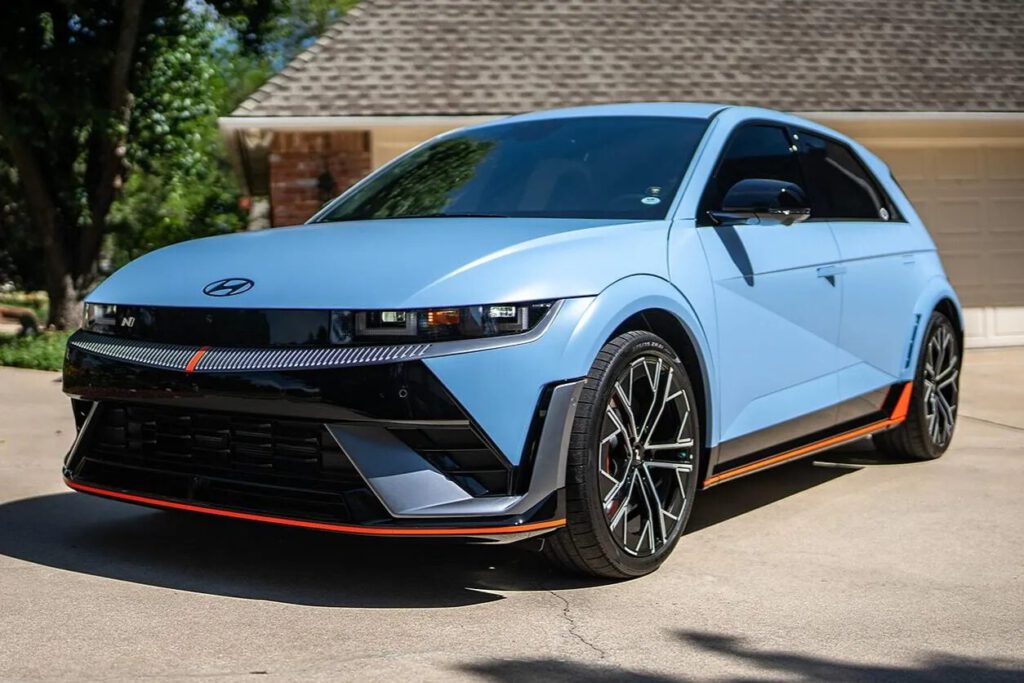
Retro-futuristic styling meets rapid obsolescence.
The Ioniq 5’s retro-futuristic swagger and sliding center console drop about 50% of value faster than TikTok trends cycle out. That 800-volt charging architecture adding 200 miles in 18 minutes impresses until newer, shinier EVs with better range and lower prices arrive.
Hyundai Ioniq 5 (Interior)
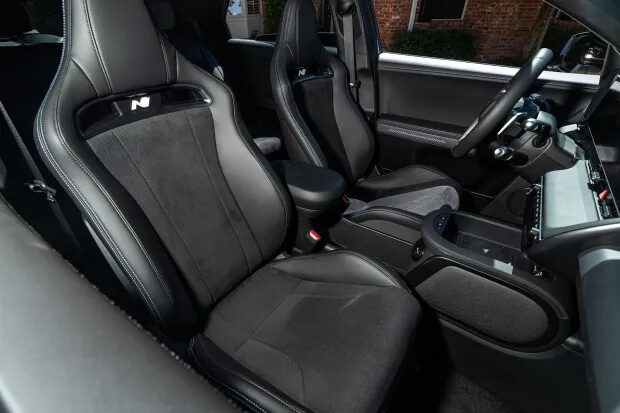
Federal tax credits only apply to new vehicles, creating price gaps making new purchases seem rational. Lease and swap beats owning depreciating tech.
16. Volvo XC90 (Exterior)
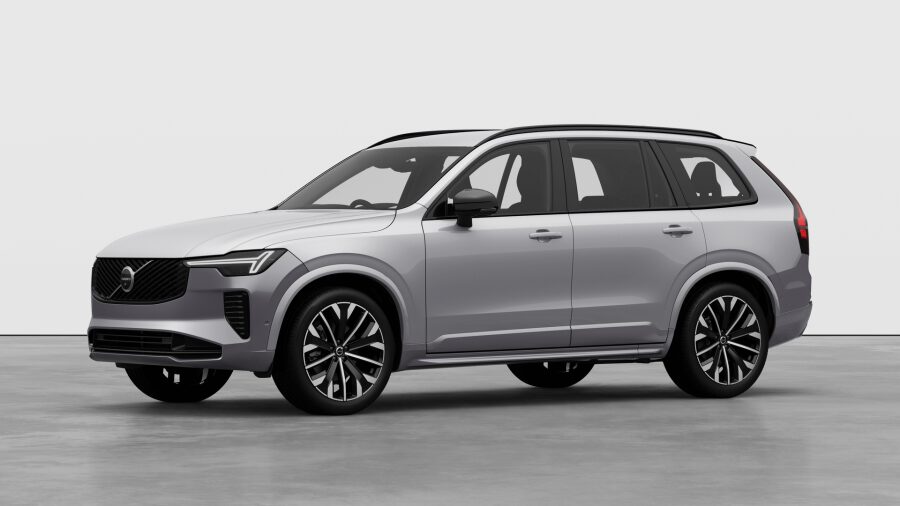
Flagship status doesn’t guarantee value retention.
Minimalist Scandinavian interiors and advanced safety systems can’t prevent substantial value loss. Despite recent refreshes aimed at boosting appeal, good chunks vanish faster than free Comic-Con samples.
Volvo XC90 (Interior)
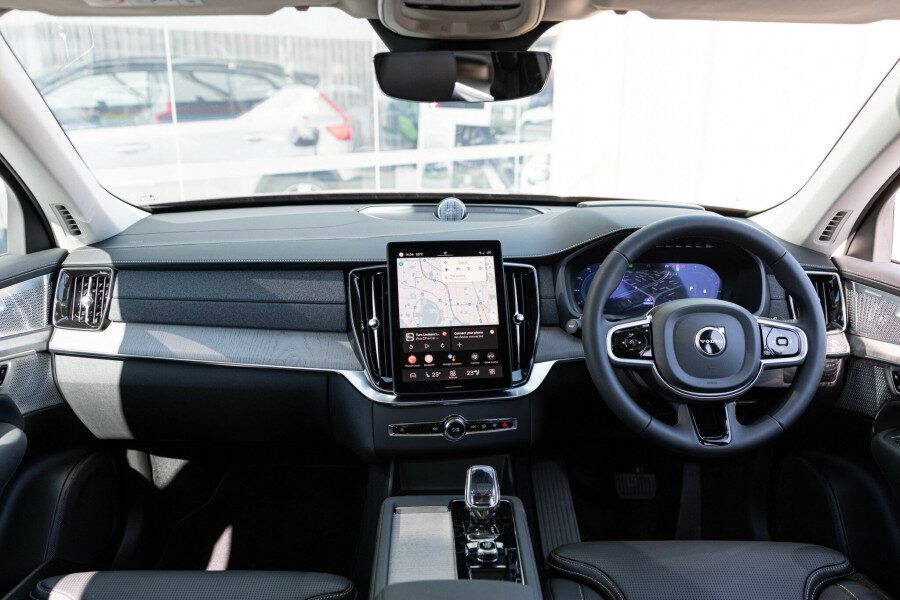
Brand perception issues, turbocharged and supercharged engine complexity with air suspension, and electronic driver aids requiring extensive diagnostics create expensive repair scenarios.
17. Volvo XC60 (Exterior)
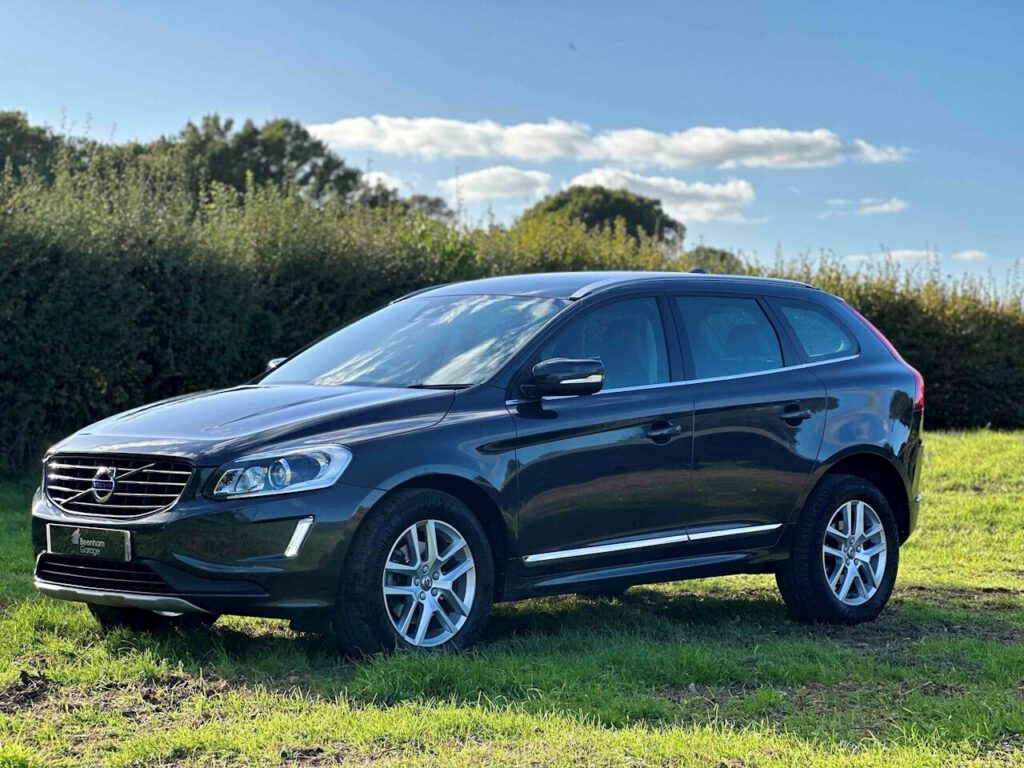
Scandinavian design meets luxury SUV reality.
The XC60 loses substantial initial value within five years despite tank-like construction. Built better than some German competitors but lacking BMW‘s performance cache, Mercedes status, or Lexus’s bulletproof reputation.
Volvo XC60 (Interior)
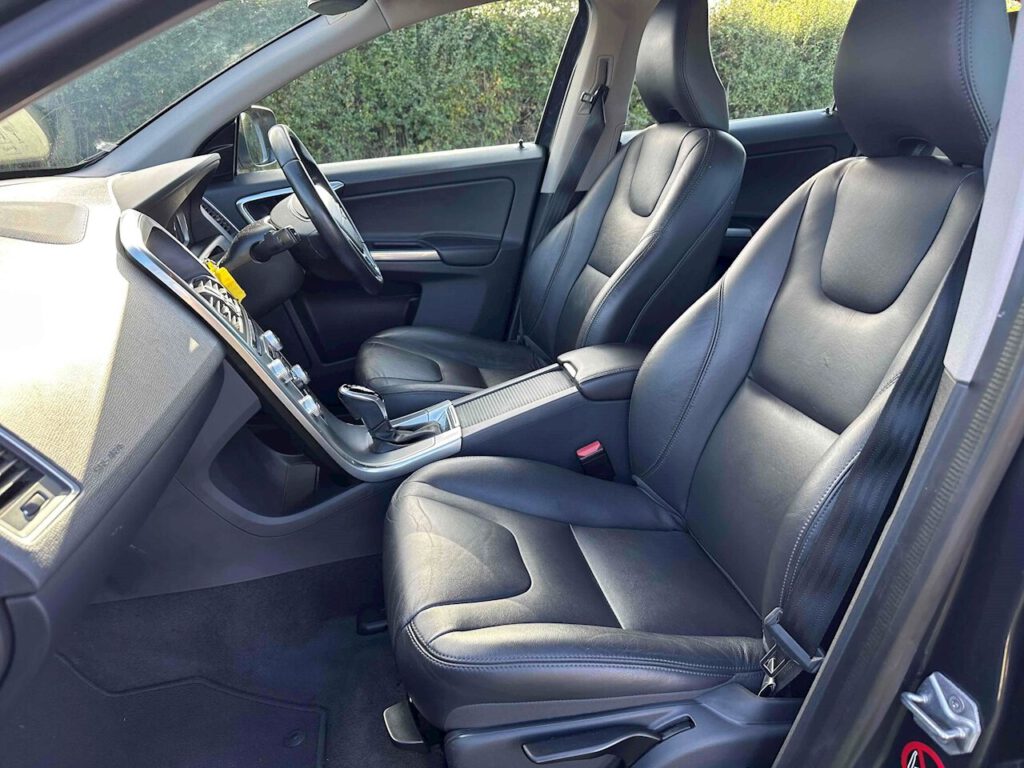
T6 turbocharged and T8 plug-in hybrid powertrains add complexity without adding resale appeal. It’s luxury SUV meme stock in a world where brand names are currency.
18. Ford Edge (Exterior)
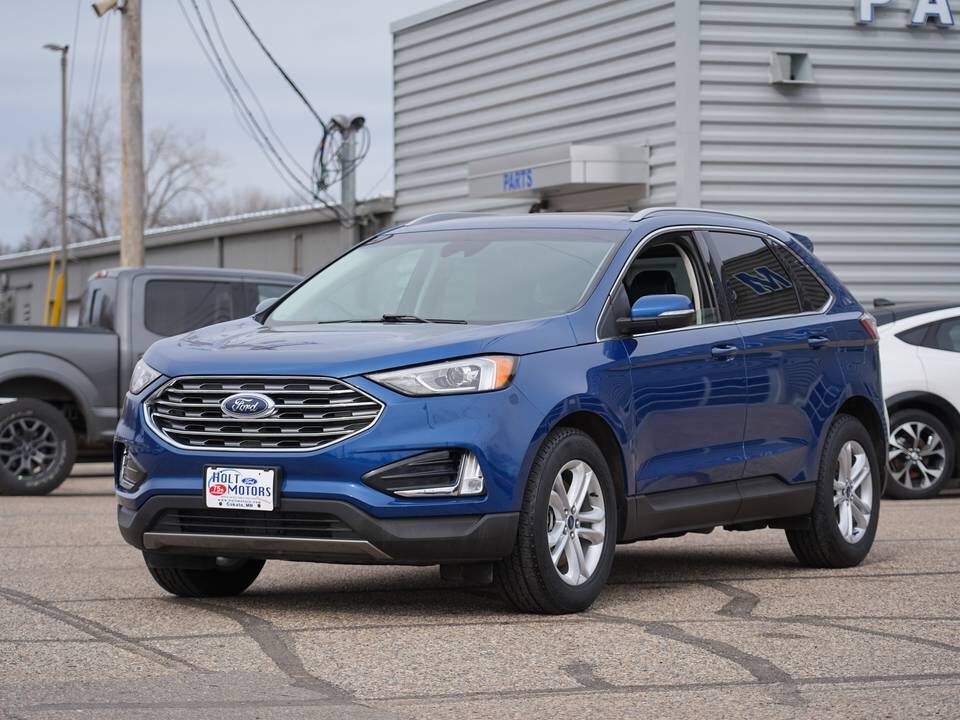
Midsize crossover meets discontinued destiny.
Shedding approximately 41.82% after three years doesn’t scream “keeper,” especially with 2025 discontinuation announcements tanking used values faster than crypto portfolios after SEC tweets. Never bad, just aggressively mediocre.
Ford Edge (Exterior)
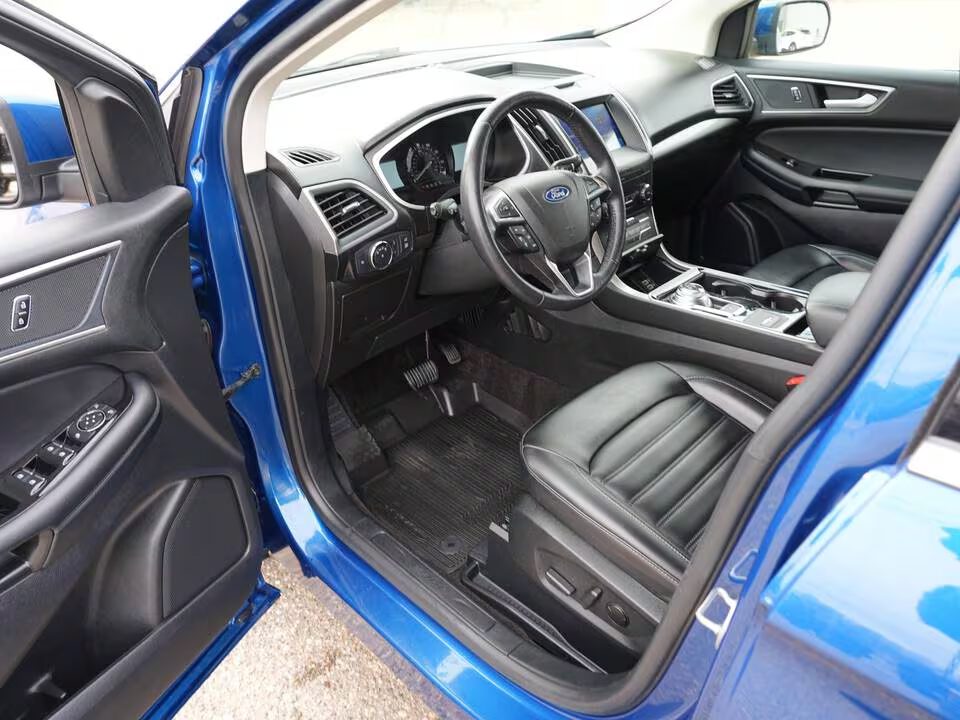
Even the ST trim’s 2.7L twin-turbo V6 making 335 horsepower couldn’t outrun inevitable obsolescence. It’s paying for surprise parties that turn out just okay.