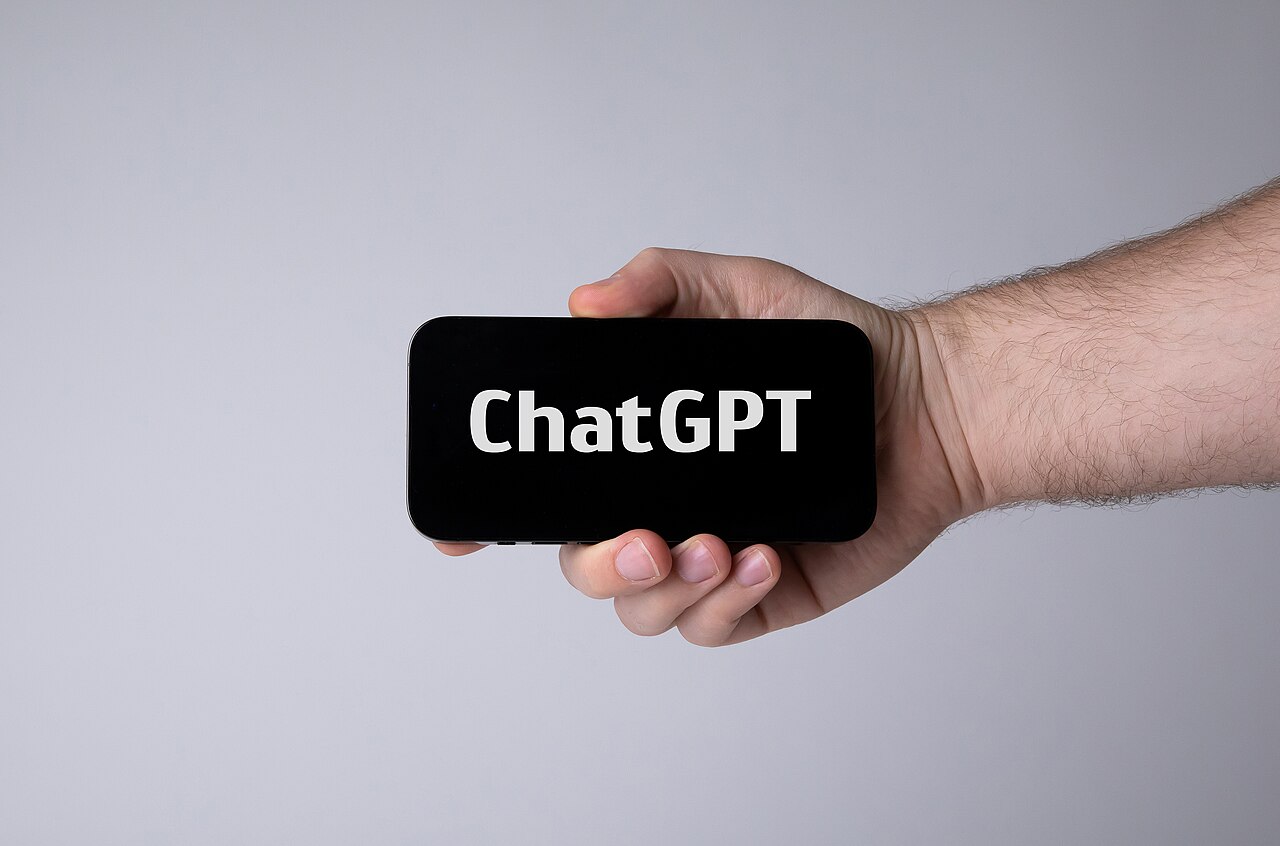
Your casual question about weekend dinner ideas might now come with a gentle nudge toward HelloFresh. That philosophy discussion could surface an ad for MasterClass. OpenAI’s decision to introduce advertising to ChatGPT‘s free and budget tiers marks the end of AI’s brief honeymoon with pure, unmonetized conversation. If you’re using the free version or paying $8 monthly for ChatGPT Go, sponsored content now appears below responses—clearly labeled but impossible to ignore.
The advertising integration follows familiar patterns from the internet’s commercial evolution.
The mechanics feel familiar if you’ve survived the internet’s advertising evolution. Ads target based on your prompts, browsing history, and past interactions, though OpenAI restricts placement in sensitive categories like health and politics. You retain meaningful control:
- Delete ad data with one click
- Opt out of personalization
- Dismiss individual promotions
Don’t like the commercial intrusion? Upgrade to Plus or accept fewer daily free messages for an ad-free experience.
This shift wasn’t inevitable—it was economically necessary.
Rising infrastructure costs drive OpenAI’s monetization strategy amid intense AI competition.
Running advanced AI infrastructure costs real money, and OpenAI’s computational expenses have reached unsustainable levels without diversified revenue. The company frames advertising as essential for maintaining global access to ChatGPT, though critics note this conveniently aligns with pressure to demonstrate monetization ahead of their anticipated public offering. Meanwhile, competitor Anthropic explicitly markets Claude as advertisement-free, creating a clear philosophical divide in conversational AI.
Early results from Criteo, OpenAI’s first advertising partner, suggest this gamble might pay off. Users referred from AI platforms convert 1.5 times faster than traditional channels—validating the high-intent nature of conversational discovery. Major agencies have already committed minimum spends ranging from $50,000 to $200,000, signaling advertiser confidence in this emerging channel.
Your relationship with AI just became transactional in ways you’ll barely notice—until you do. The question isn’t whether other AI companies will follow OpenAI’s lead, but how quickly they’ll need to choose between advertising revenue and the increasingly expensive promise of neutrality.