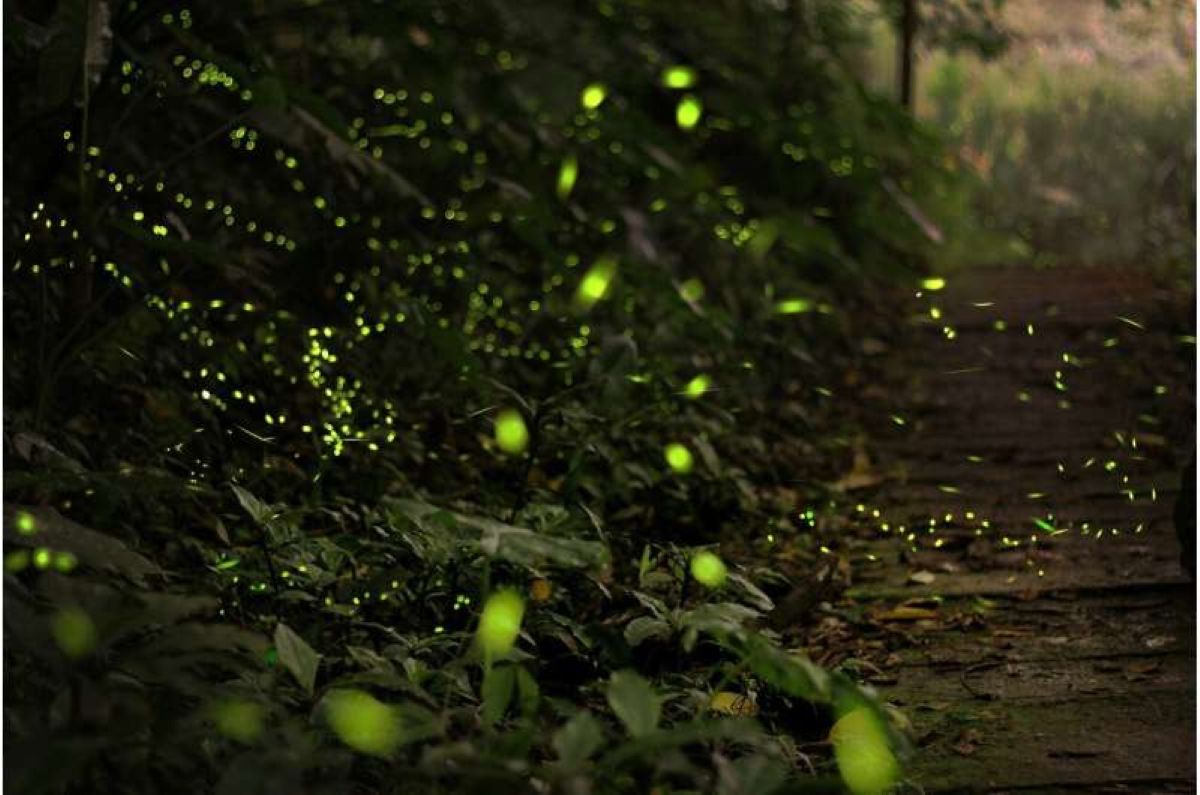
Remember chasing fireflies on summer nights, mason jar in hand, the yard flickering like broken Christmas lights? That magical scene grows rarer each year, but the viral claim that “we are the last generation to see fireflies” oversells the crisis. A 2024 study analyzing 24,000 citizen science surveys confirms firefly populations are dropping rapidly across North America—yet extinction isn’t imminent.
The Viral Claim vs. Scientific Reality
The “last generation” narrative lacks scientific backing, according to University of Georgia extension experts. While firefly numbers have declined significantly since the 1900s, one-third of species face risk—not total disappearance. Darin McNeil from the University of Kentucky puts it plainly: “Weather and climate appear to be the most important variables for predicting firefly abundance.” Some regions even saw population upticks in 2025 thanks to favorable wet conditions.
This isn’t your typical environmental doomsday scenario where everything vanishes overnight. Research indicates 14-33% of firefly species face potential extinction, but that leaves two-thirds of species adapting to changing conditions. The dramatic TikTok-worthy claims spread faster than accurate science.
Your Smart Home Might Be Part of the Problem
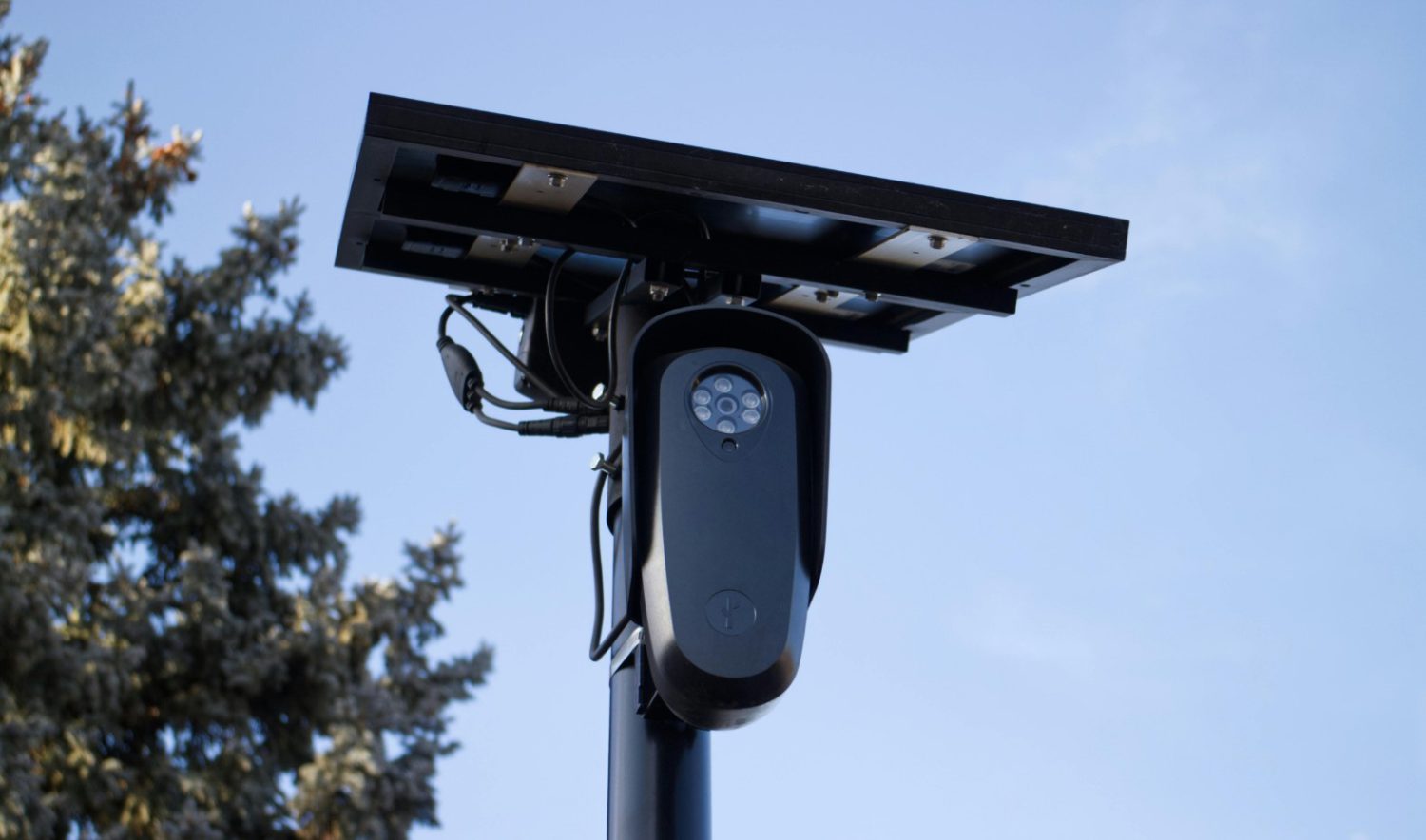
Light pollution reduces firefly reproductive success by up to 50% in affected areas. Those motion-sensor floodlights and always-on smart doorbell cameras? They interfere with the bioluminescent mating signals fireflies have used for millions of years. It’s like trying to have a conversation at a rave—the background noise drowns out everything important.
The irony hits hard: our quest for safer, smarter homes creates hostile environments for creatures that evolved perfect biological lighting systems. Every porch light and landscape LED adds to the glow that confuses firefly courtship rituals.
Climate Change Scrambles Nature’s Schedule
Firefly larvae need wet, warm summers and cold winters to thrive. Climate change delivers erratic weather patterns that throw off this delicate timing. Southern regions see the steepest declines, while northern areas might actually gain firefly populations as temperatures warm. Meanwhile, urban development fragments the moist grasslands these insects require—Missouri has lost over 99% of its original grassland habitat.
Pesticides and herbicides compound the problem by eliminating the snails, slugs, and earthworms that firefly larvae hunt. Without proper prey, larvae can’t survive to become the glowing adults we remember.
Small Changes, Big Impact
You can help without revolutionizing your lifestyle:
- Reduce outdoor lighting during summer evenings
- Choose warm-colored LED bulbs over harsh white ones
- Support local grassland preservation
The Xerces Society and Firefly Conservation and Research organizations track these efforts. Unlike the TikTok-worthy doom predictions suggest, targeted conservation can stabilize populations before they reach crisis levels.