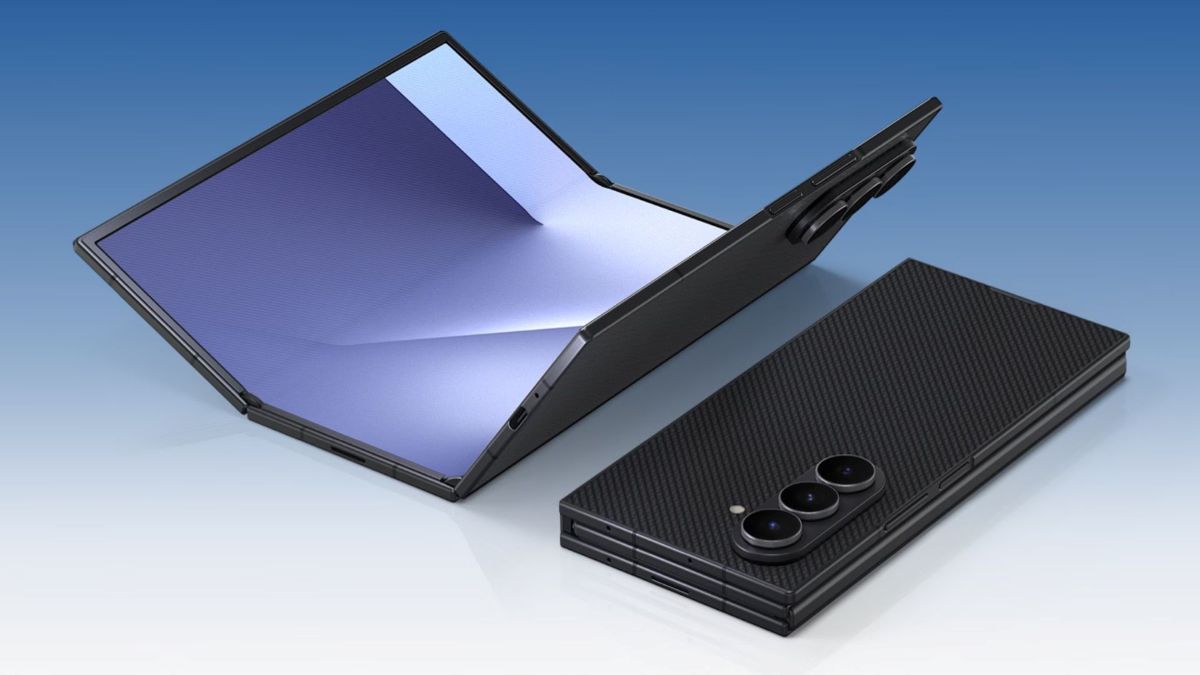
Strong demand couldn’t save Samsung’s experimental triple-folding smartphone from manufacturing reality. The Galaxy S25—which sold out every limited restock in minutes—will end sales in South Korea around March 17, just four months after its December debut.
The Hype-Death Cycle Accelerates
Your typical product discontinuation happens after poor sales drag on for quarters. Not here. Samsung’s TriFold created artificial scarcity that would make Supreme jealous, with each 3,000-unit Korean batch vanishing faster than concert tickets.
Resale prices hit nearly triple the $2,899 retail cost, turning early adopters into accidental crypto traders. US inventory continues until current stock depletes, but don’t expect restocks.
When Experiments Cost Real Money
Samsung positioned the TriFold as a “technology demonstrator”—corporate speak for “we’re not sure this works yet.” No review units went to press. No traditional marketing campaigns.
The company collected user feedback on triple-fold mechanics while customers paid nearly three grand for the privilege of debugging. That’s a bold business model, even for Samsung.
The Economics Don’t Fold
Triple-hinge systems aren’t just mechanically challenging—they’re financially brutal. Rising DRAM and NAND prices squeezed margins while sophisticated folding mechanisms demanded premium materials. Even at $2,899, Samsung reportedly struggled with profitability.
The 10-inch Dynamic AMOLED display and Snapdragon 8 Elite processor add capability, but manufacturing complexity scales exponentially with each fold.
Lessons from the Foldable Frontier
Huawei’s Mate XT Ultimate Design—lighter at 298g, thinner at 3.6mm unfolded, with faster 66W wired charging—maintains broader availability despite similar complexity. Different engineering priorities, perhaps, or different tolerance for experimental losses. Samsung’s approach treats cutting-edge buyers as focus groups with deep pockets.
The TriFold’s death spiral reveals experimental tech’s harsh reality. You’re not just buying a device—you’re funding R&D with your own money, hoping the experiment succeeds long enough to matter. Sometimes innovation costs more than even early adopters can sustain.