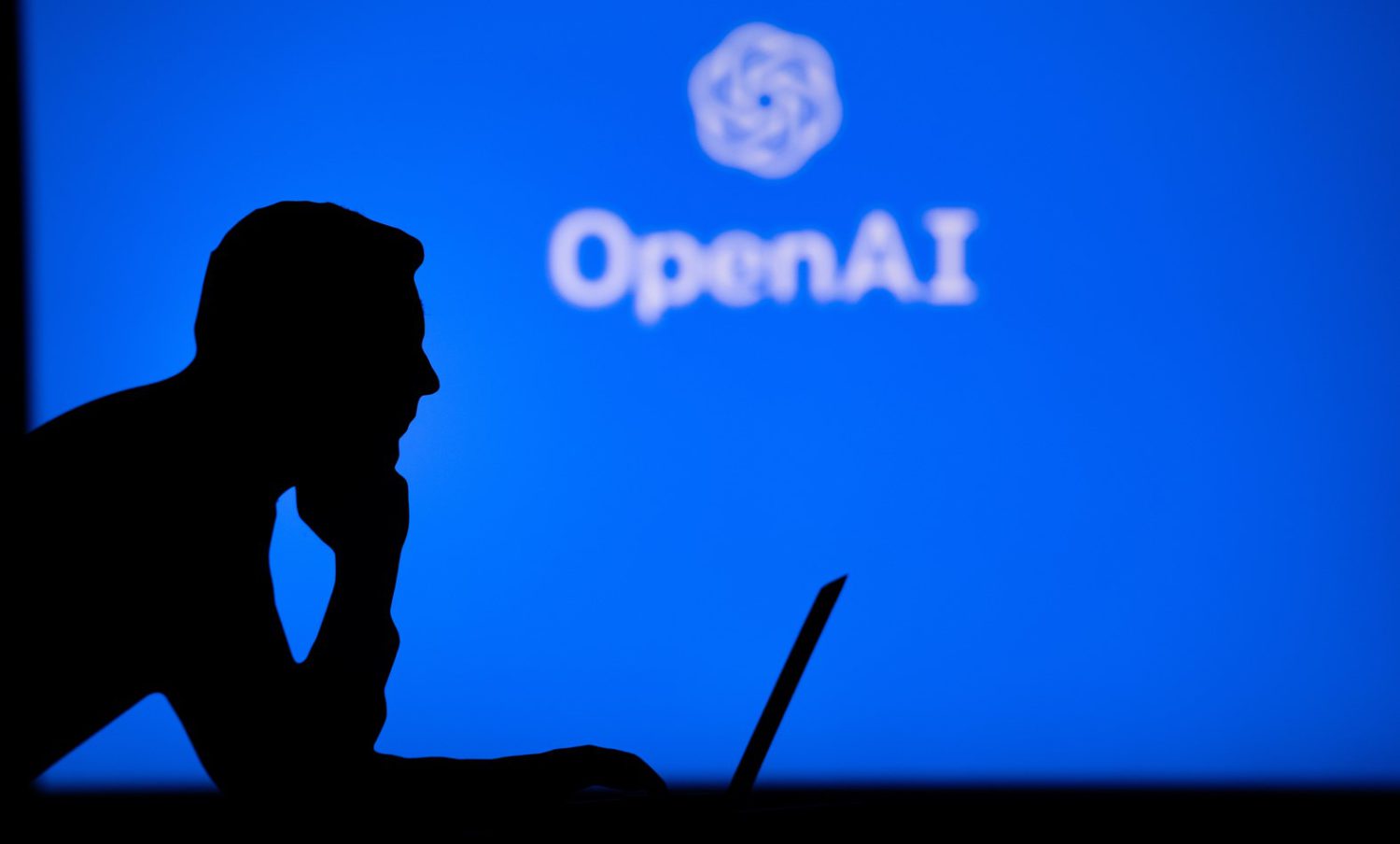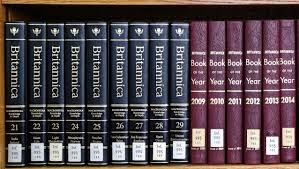
Dead encyclopedias weren’t supposed to fight back, but Britannica’s federal lawsuit against OpenAI proves that even legacy reference giants have teeth. The 258-year-old publisher filed suit in Manhattan federal court this March, alleging OpenAI systematically copied nearly 100,000 Britannica articles to train ChatGPT without permission or payment.
The allegations read like a digital heist story. Britannica claims OpenAI scraped its content through direct crawling and website scraping, then used this material to train GPT models that now produce “full or partial verbatim reproductions” of copyrighted articles. When you ask ChatGPT about historical events or scientific concepts, you might be getting Britannica’s carefully researched work—just without the subscription fee or proper attribution.
The Market Cannibalization Problem
ChatGPT now directly competes with the sources it allegedly copied from.
Here’s where the lawsuit gets interesting beyond standard copyright disputes. Britannica argues that ChatGPT‘s encyclopedia-style responses directly substitute for visits to Britannica’s own websites, allegedly devastating the company’s advertising revenue and subscriber base. It’s like Netflix training its recommendation algorithm on every movie review ever written, then generating summaries so good that nobody visits film criticism sites anymore.
The trademark violations add another layer of injury. According to the complaint, ChatGPT generates “hallucinations”—fabricated content falsely attributed to Britannica—potentially damaging the publisher’s reputation for accuracy built over centuries.
Fair Use vs. Market Theft
OpenAI claims transformation while Britannica documents wholesale copying.
OpenAI’s defense centers on familiar territory: “Our models empower innovation, and are trained on publicly available data and grounded in fair use.” The company argues that training AI constitutes transformative use protected by copyright law. Britannica counters that near-verbatim outputs and direct market competition prove this isn’t transformation—it’s substitution.
This legal showdown joins a broader wave of copyright litigation targeting AI companies, with publishers from Dow Jones to individual authors challenging training practices in Manhattan federal court. Britannica previously sued AI startup Perplexity over similar allegations, suggesting this strategy extends beyond OpenAI.
The outcome could reshape how AI companies acquire training data. Victory for Britannica might force licensing agreements that fundamentally change AI economics. An OpenAI win would validate the “scrape everything” approach that built today’s AI systems.
For you as an information consumer, this case determines whether authoritative sources survive the AI revolution—or whether ChatGPT becomes the only encyclopedia you’ll ever need.