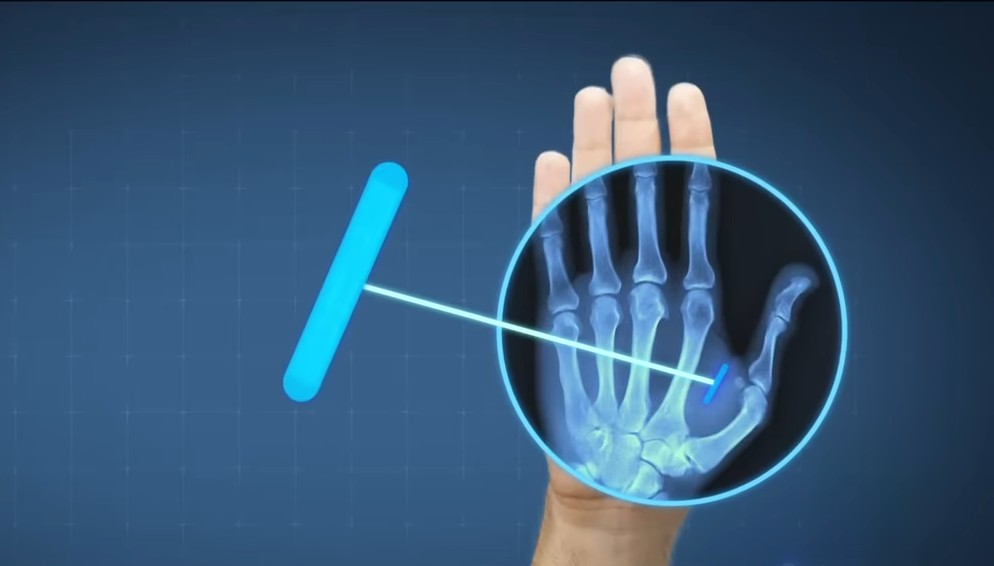
Your boss can’t force you to get a tracking chip implanted under your skin. That might sound obvious, but Washington lawmakers just made it law anyway.
House Bill 2303 sailed through the state legislature with an 87-6 vote, establishing penalties for employers who request, require, or coerce workers into microchip implantation. The measure now awaits final Senate approval after advancing through committee—where senators reportedly “laughed about it briefly” before passing it along.
Hefty Penalties for Hypothetical Violations
The legislation hits violators with serious financial consequences:
- $10,000 for first offenses
- $20,000 for subsequent violations
- Plus attorneys’ fees
Medical implants remain explicitly protected—the bill targets surveillance, not therapeutic devices storing patient data for emergencies. Currently, no known U.S. companies mandate employee microchipping, making this purely preventive policy.
Power Dynamics Drive Preemptive Strike
Representative Brianna Thomas, the bill’s primary sponsor, frames this as future-proofing worker rights. “Because of the power dynamic, true employee consent for these programs is impossible,” Thomas stated. “We don’t want to have to try to clean up an impossible mess after it’s too late. So we are getting ahead of the problem.” The Seattle-area Democrat previously organized the nation’s first $15 minimum wage campaign, bringing labor advocacy experience to emerging tech concerns.
Opposition Cites Government Overreach Concerns
Representative Joel McEntire cast a rare dissenting vote, arguing the bill goes too far. “Then what right do I have, even as a lawmaker, to come into the workplace and say that this novel technology cannot be even discussed or requested by the employer to the employee?” McEntire asked. His concern centers on whether government should preemptively limit workplace conversations about emerging technologies.
International Precedent Sparked Legislative Action
While no mandatory programs exist domestically, international examples provided the legislative blueprint. Swedish firm Biohax partnered with U.S. company Three Square Market in 2017 to offer voluntary employee implants, primarily for security access rather than surveillance. UK-based BioTeq reported installing roughly 150 implants by 2018, enabling keyless entry and vehicle operation.
The bill’s bipartisan support suggests other states may follow Washington’s lead, establishing worker privacy boundaries before workplace safety creep reaches subdermal solutions.