Your smart TV’s late-night activity isn’t just software updates—it might be crawling the web for AI companies while you sleep. Bright SDK offers streaming apps an alternative to traditional advertising: let your device join a massive residential proxy network, and you get ad-free viewing. It sounds like a fair trade until you realize you have no idea what your TV is actually doing or when it’s doing it. This invisible monetization model transforms your living room centerpiece into a worker bee for tech giants seeking training data.
The Scope of Silent Operation
150 million devices worldwide participate in this distributed web-crawling network.
When you opt into a Bright SDK-enabled app, your TV becomes one node in a network spanning 150 million devices globally. Each device downloads roughly 50 MB of publicly available web data daily—think website pages, audio clips, and video content—then ships it to clients, including AI companies, researchers, and cybersecurity firms. The kicker? On some platforms, this activity continues running in the background even after you close the app. Your TV essentially moonlights as a data harvester whenever it’s connected to WiFi.
The Platform Exodus
Major streaming platforms are rejecting this monetization model amid growing security concerns.
- Roku, Amazon Fire TV, and Google’s Android TV have all banned proxy SDKs from their platforms
- Samsung’s Tizen and LG’s webOS remain as the remaining holdouts
- LG distances itself, stating that Bright SDK “is not officially supported” and its operation “is not guaranteed.”
This platform abandonment follows January’s revelation that IPIDEA—another massive proxy network—was allegedly renting device resources to state-sponsored hacking groups. The industry’s reputation took a beating that extends beyond the bad actors.
The Transparency Problem
Users cannot verify when or what data their devices are collecting in real time.
Bright Data claims its operations are “completely anonymous” and “seamless,” but that invisibility cuts both ways. You can’t independently confirm when your TV is downloading data or verify that it’s only accessing public websites. While the company has pursued third-party audits and made some code open-source, the fundamental asymmetry remains: your device works for someone else’s profit while you get minimal visibility into the arrangement. It’s like having a roommate who works from your apartment but won’t tell you their schedule.
What This Means for Your TV
Check your installed apps and consider whether the trade-off aligns with your comfort level.
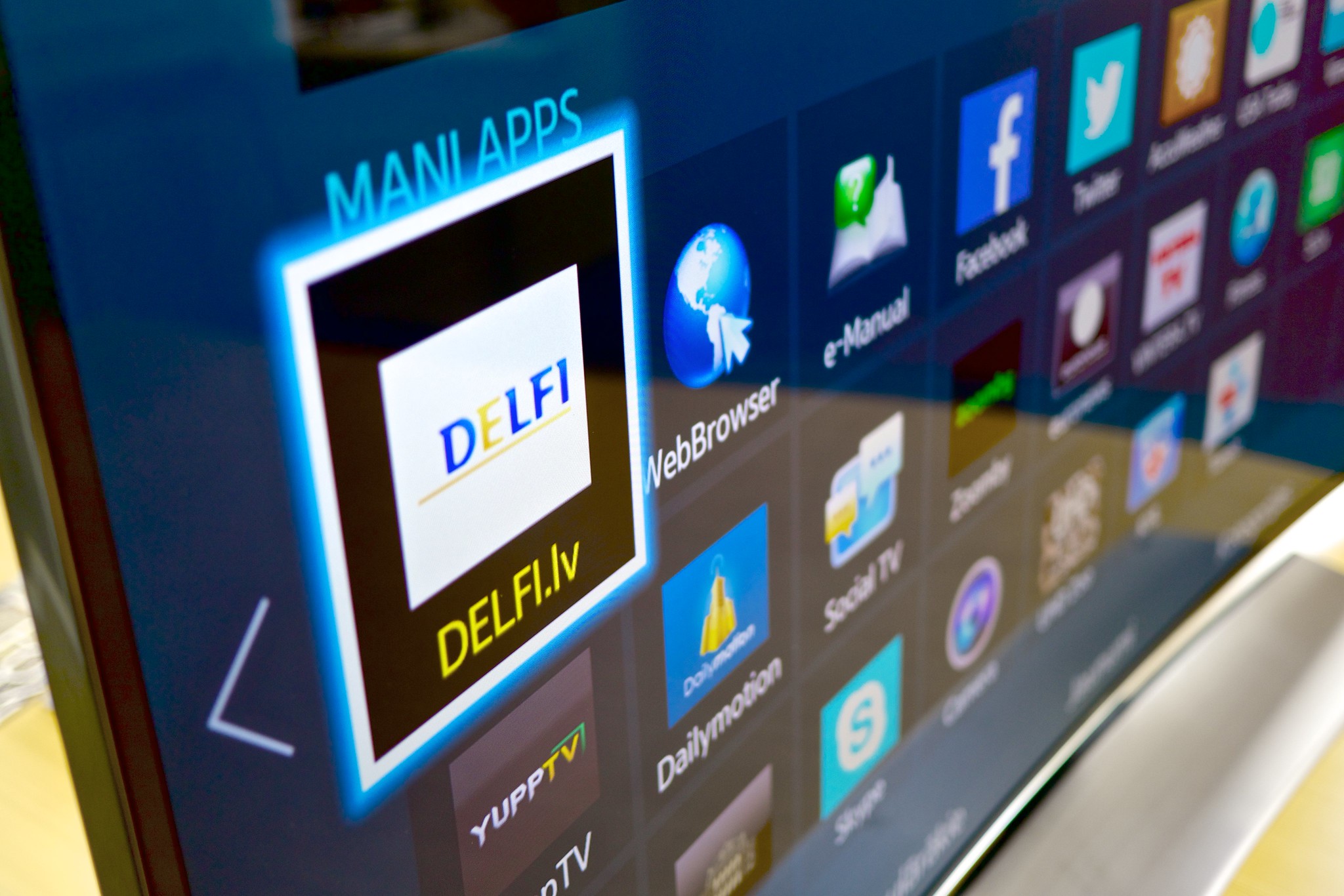
If you own a Samsung or LG smart TV, scroll through your installed apps and read those opt-in screens more carefully. The “occasionally use your device’s free resources” language isn’t just legalese—it’s describing actual network activity happening on your home internet. Whether this bothers you depends on your tolerance for invisible device monetization. The bigger question isn’t whether Bright Data operates ethically, but whether normalizing background resource sharing opens doors for less scrupulous operators.