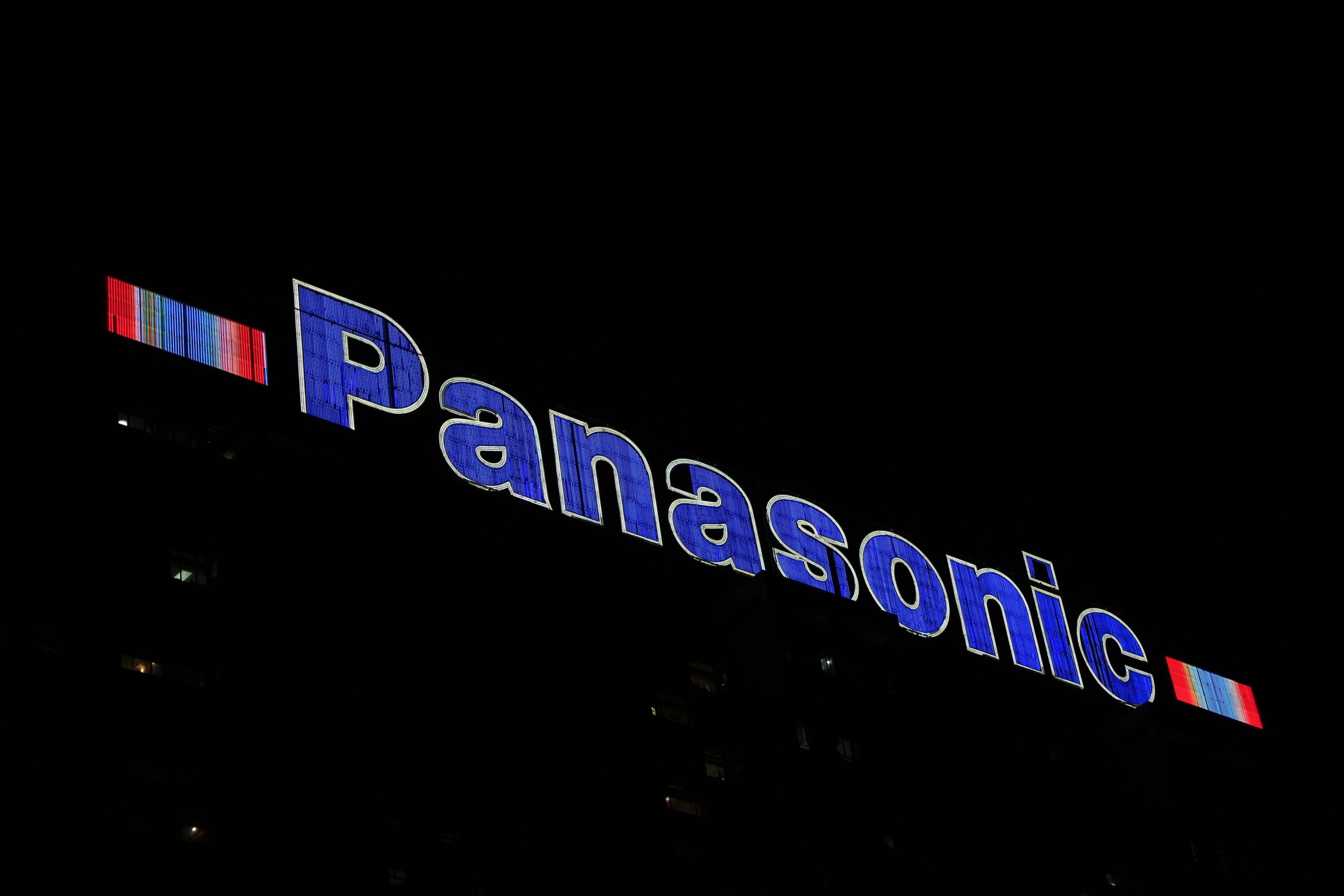
The era of “Made in Japan” televisions just flatlined. Panasonic, once the plasma king who ruled living rooms when your first HDTV cost more than your car, has officially thrown in the towel on manufacturing. Starting April 1, 2026, China’s Skyworth will handle everything from assembly to sales for Panasonic-branded TVs in North America and Europe, while the Japanese giant retreats to a design consultant role.
The Handover
Manufacturing, sales, and logistics transfer to the Chinese partner while Panasonic keeps trademark rights.
Skyworth assumes complete operational control—manufacturing, R&D, sales, marketing, and logistics for Panasonic’s OLED, Mini LED, and QLED lineup. Panasonic retains trademark ownership, product development input, and quality assurance responsibilities. Think of it like Netflix licensing content: the brand stays, but someone else runs the show.
Panasonic will still provide technical support for TVs purchased before March 2026, then that responsibility shifts too.
The Desperation Play
Years of market losses and failed comebacks led to manufacturing outsourcing as a survival strategy.
This isn’t strategy—it’s surrender wrapped in corporate speak. Panasonic exited the US TV market in 2016, shuttered its legendary plasma division in 2014, and has been bleeding market share to Samsung, TCL, and Hisense ever since.
The company once commanded 40% of the global plasma market before the 2008 financial crisis killed that technology and nearly took Panasonic with it. Skyworth’s scale advantage is undeniable: they pump out over 36 million TVs annually and operate factories across China, Indonesia, and Mexico.
What This Means for Your Living Room
Quality questions emerge as cost efficiency becomes the priority over premium engineering.
Here’s the uncomfortable truth: Skyworth excels at affordable manufacturing, not premium innovation. They’ve licensed Toshiba and Philips TV brands with mixed results—decent displays at Walmart prices, but lacking the obsessive picture quality that made Panasonic’s professional monitors legendary.
According to Chuángwéi RGB CEO Peter Zhang, products will “stay true to Panasonic TVs,” but that promise sounds hollow when the same company prioritizes volume over the meticulous color calibration Panasonic was known for.
The Pattern Emerges
Panasonic joins Sony, Sharp, and Toshiba in outsourcing production to Chinese manufacturers.
Japanese TV manufacturing is officially extinct. Sharp surrendered to Foxconn, Toshiba handed operations to Hisense, and Sony took a stake in TCL. Chinese firms dominate through government backing, massive scale, and razor-thin margins that Japanese companies can’t match.
The brands survive, but the craftsmanship philosophy that made Japanese electronics synonymous with quality has been cost-optimized into irrelevance.
Your next Panasonic TV might carry the name, but it’ll speak fluent Mandarin where it matters most: the factory floor.