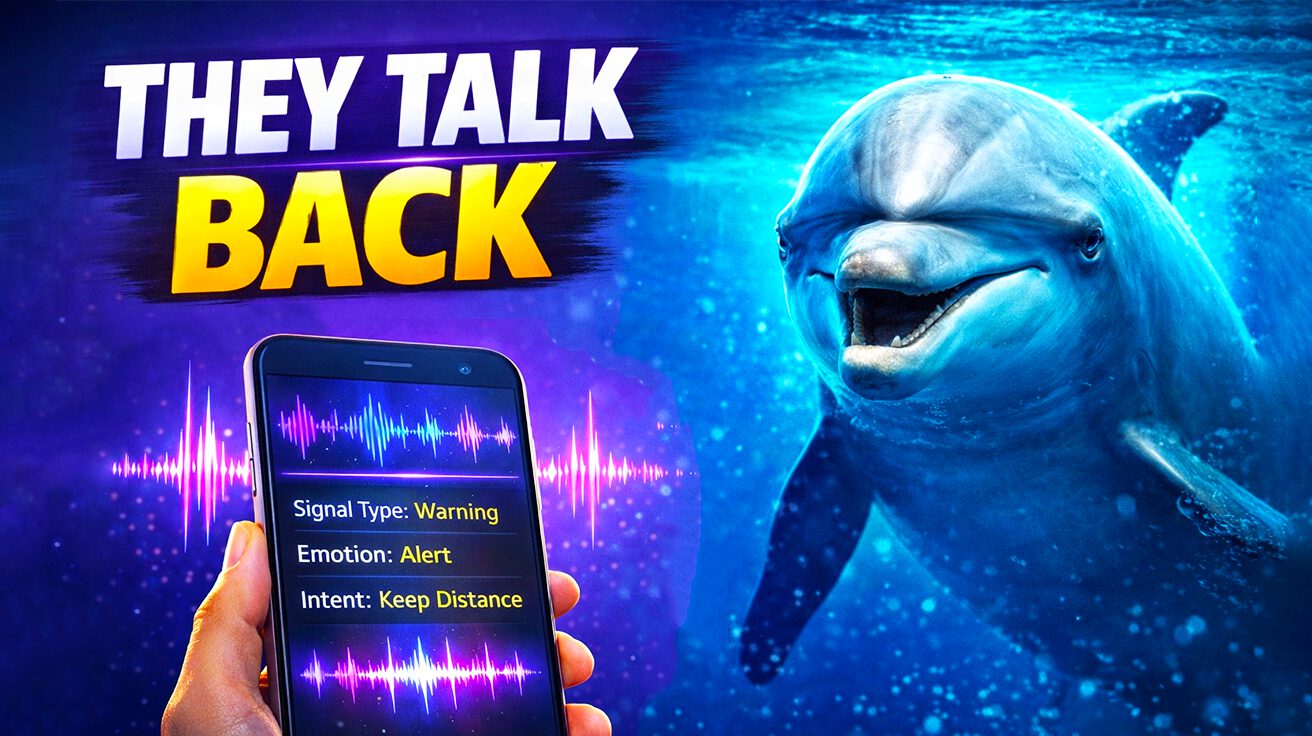
According to recent research, scientists are decoding animal vocalizations across species—from sperm whale codas to Egyptian fruit bat squeaks. Think of it as Google Translate for the animal kingdom, except your translation app might finally explain why dolphins seem to be laughing at tourists. Projects like CETI, Earth Species Project, and initiatives backed by the Coller-Dolittle Prize are throwing serious computing power at bioacoustics to crack open two-way conversations with critters.
4. Sperm Whale Codas
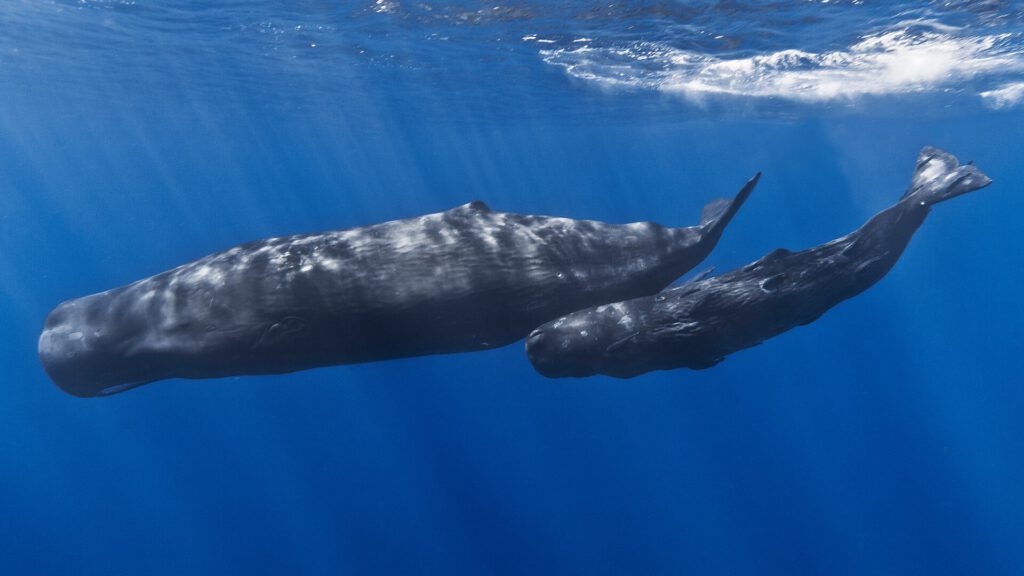
Project CETI uses machine learning to decode whale clicks with 72% behavioral prediction accuracy.
Ever wonder what whales are discussing in those deep-sea group chats? Project CETI (Cetacean Translation Initiative) is deciphering sperm whale codas—those rhythmic clicks that sound like underwater Morse code. They’ve achieved 72% accuracy in predicting whale behavior and 86% for future actions. Marine biologists collaborating with AI specialists discovered sophisticated structures beyond the original count of 21 Caribbean clan codas.
Machine learning crunches rhythms and patterns landlubbers never noticed. The research reveals context-specific communication that suggests meaningful dialogue happening beneath the waves. One day, whale-watching tours might include real-time translations where guests understand cetacean commentary: “Did you see that tourist in the yellow jacket? Total plankton brain!”
3. Earth Species Project’s NatureLM-Audio Model
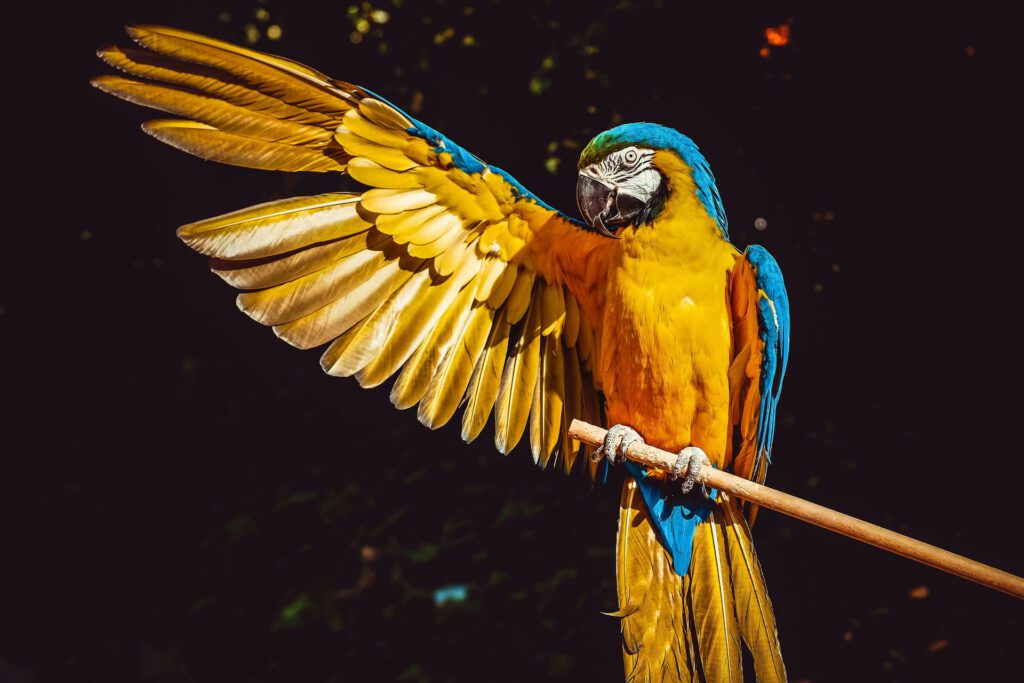
This AI model trains on human language and music to identify animal species from vocalizations.
Earth Species Project’s NatureLM-Audio model operates like universal wildlife translator software. The system trained on human language and music—essentially teaching a digital parrot Beethoven—to identify animal species from vocalizations and predict their responses. ESP emphasizes data scale for translation breakthroughs.
Instead of just recognizing what a bird sounds like, the technology aims to decode what it means. The challenge involves filtering environmental noise while maintaining ethical boundaries. Anyone who’s tried understanding their cat’s 3 AM demands knows this could revolutionize pet ownership. Finally, an app that translates meows into actual grocery lists.
2. Dolphin Whistle Analysis
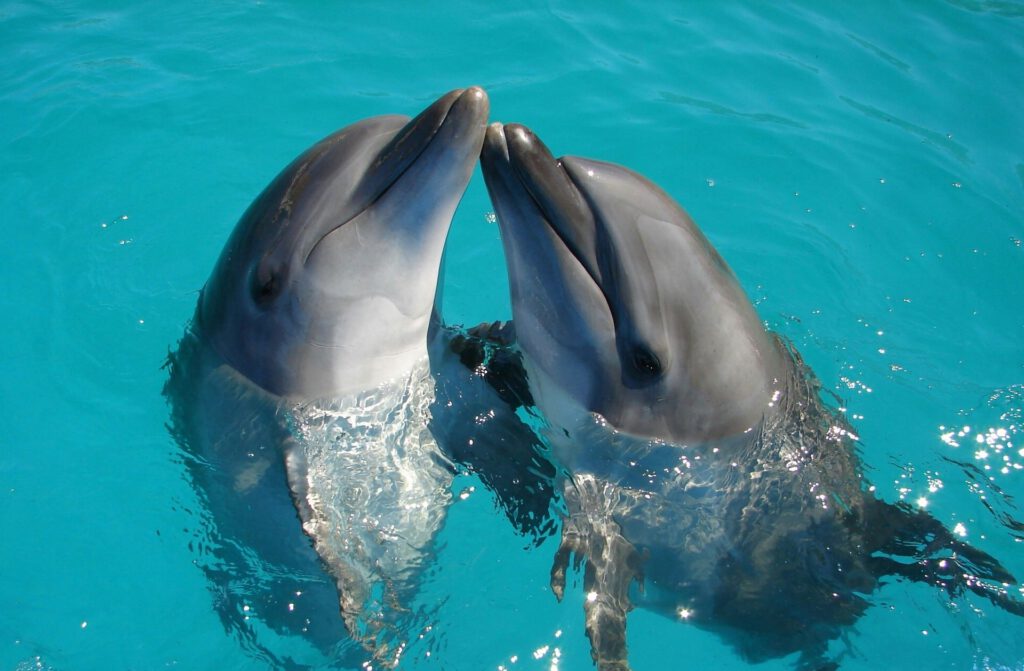
Researchers identify word-like functions in dolphin communication patterns.
Marine biologist Dr. Sayigh received $100,000 from the Coller-Dolittle Prize in May 2025 for whistle analysis revealing word-like functions in dolphin communication. Her research suggests these marine mammals use sophisticated vocal patterns beyond simple calls. The findings indicate dolphins operate closer to conversational communication than previously understood.
The real prize? A $500,000 challenge awaits any AI system enabling undetected human-animal communication. Whale-watching tours could evolve with real-time translation capabilities, like having Babel Fish for dolphins. This technology could transform how people understand, respect, and protect these intelligent marine creatures during eco-tourism experiences.
1. Ethical Framework PEPP
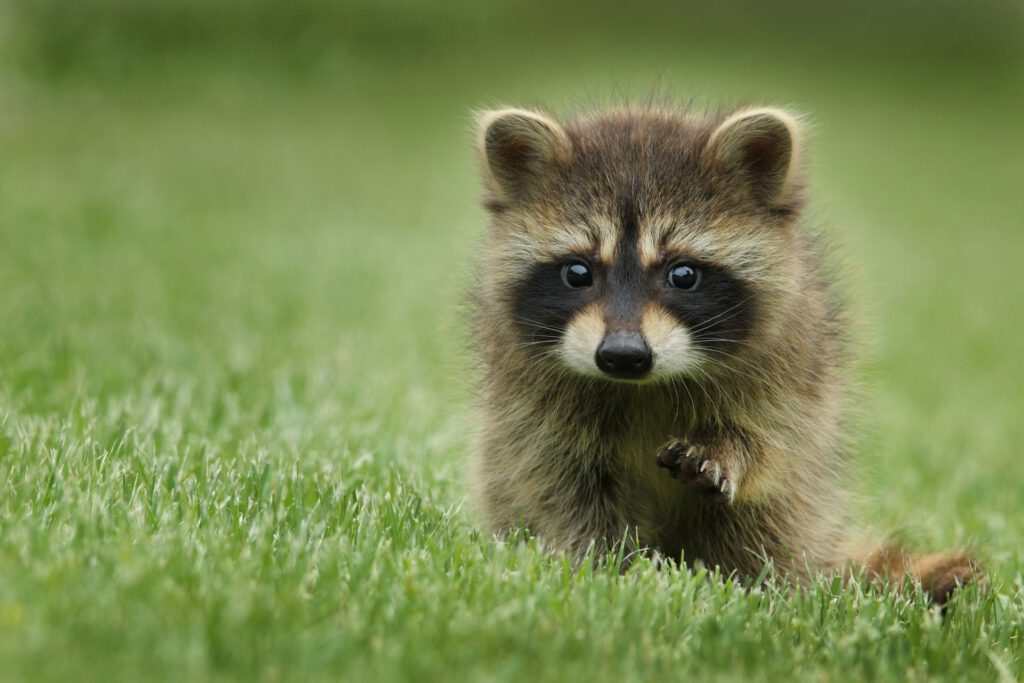
Scientists establish guidelines to prevent AI research from disrupting animal social structures.
Policymakers debate boundaries for AI integration with wildlife communication. The PEPP framework—Prepare, Engage, Prevent, Protect—regulates research like ethical bouncers at an interspecies conference. These guidelines ensure scientists don’t accidentally become Dr. Dolittle with unlimited data access.
The framework prevents disrupting animal social structures through technological interference. If AI starts manipulating bat conversations or elephant family discussions, ecosystems could face unintended consequences. PEPP acts as the responsible chaperone, ensuring research advances understanding without turning wildlife habitats into uncontrolled communication experiments that nobody signed up for.