Spending hours trying to generate the perfect AI image only to end up with something that looks like abstract art gone wrong? The landscape has changed dramatically. Free AI image generators in 2026 deliver photorealistic results that rival expensive premium tools. These platforms have cracked the code on creating visuals that don’t immediately scream “artificial intelligence.” Anyone who’s wrestled with clunky interfaces and disappointing outputs knows the frustration of subpar tools promising the moon but delivering crayon sketches.
5. DALL-E 3 (Free Tier via Microsoft Copilot)
Access OpenAI’s flagship model without paying premium subscription fees.
Microsoft’s integration of DALL-E 3 into Copilot gives you direct access to one of the most sophisticated image generators available. The free tier includes 15 boosts per day, which translates to roughly 100 image generations. Think of it as having a professional photographer’s eye combined with a digital artist’s precision—except this photographer never gets tired and doesn’t charge by the hour.
The interface feels intuitive enough that even your technologically-challenged uncle could navigate it. Prompts like “realistic portrait of a businesswoman in a modern office” produce results that could easily pass for stock photography. The detail rendering particularly shines with human faces and natural lighting scenarios.
4. Leonardo AI (Free Plan)
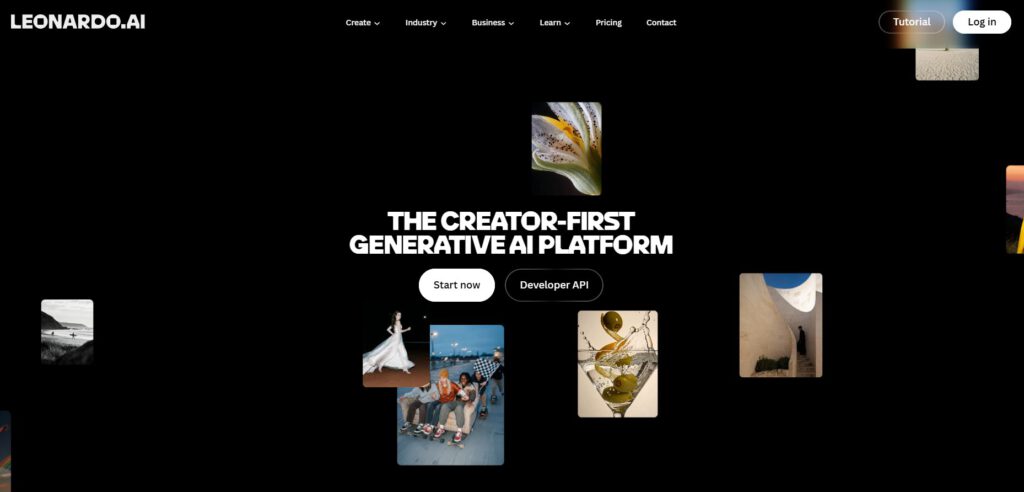
Daily token system provides substantial creative freedom for regular users.
Leonardo AI‘s free plan allocates 150 tokens daily, enough for approximately 30-40 high-quality generations depending on your settings. The platform excels at maintaining consistency across similar prompts, making it perfect for anyone building cohesive visual content. Their fine-tuned models specifically target photorealism, and the results often require a double-take to distinguish from actual photographs.
The community-driven aspect sets Leonardo apart—browse thousands of user-created images with visible prompts, essentially giving you a masterclass in effective AI prompting. It’s like having access to a photography studio where every successful shoot comes with behind-the-scenes notes.
3. Playground AI (Free Tier)
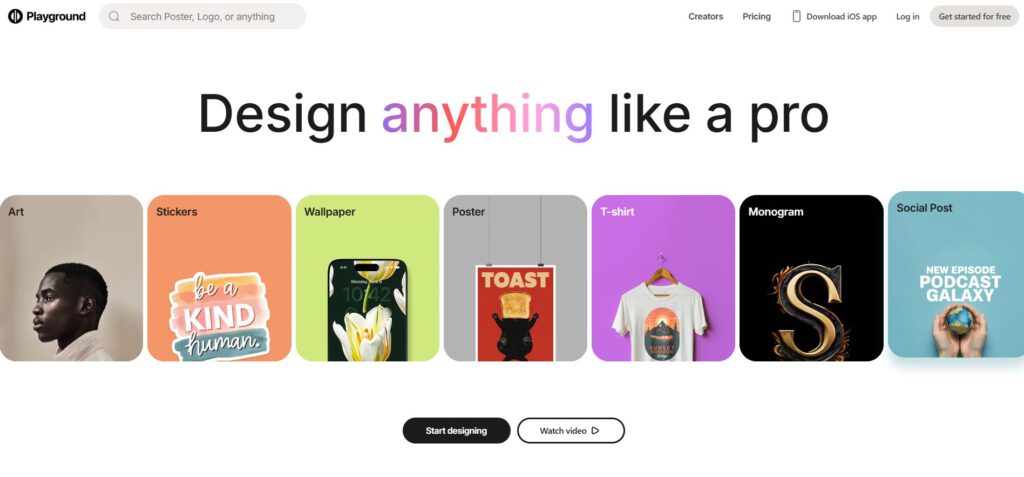
Generous daily limits make experimentation affordable for creative projects.
Playground AI‘s free tier offers 500 images per day, making it the most generous allocation on this list. The platform balances ease of use with advanced customization options, letting you dial in everything from aspect ratios to style preferences. Their SDXL model produces particularly impressive results for lifestyle and product photography scenarios.
The batch generation feature saves considerable time when you need multiple variations of similar concepts. Upload a reference image, adjust your prompt, and generate several versions simultaneously—like having multiple camera angles of the same scene without the expensive equipment rental.
2. Ideogram (Free Access)

Text rendering capabilities surpass most competitors in the free tier category.
Ideogram‘s standout feature lies in its ability to generate readable text within images—something most AI tools still struggle with significantly. Need a realistic storefront sign or product packaging mockup? This platform handles typography integration better than tools costing hundreds per month. The free tier includes 25 slow generations daily, plus 5 priority fast generations.
Recent updates have dramatically improved photorealism, particularly for architectural and interior design visuals. The platform feels like having a graphic designer who specializes in creating mockups that look authentic enough for client presentations.
1. Tensor.Art (Community Access)

Access premium models through community sharing without subscription costs.
Tensor.Art operates on a unique community-driven model where users share custom-trained models optimized for specific styles and subjects. The free tier provides daily credits for generations, and the variety of available models rivals paid platforms. Think of it as a neighborhood tool library, except instead of borrowing lawn equipment, you’re accessing specialized AI models.
The platform particularly excels at niche applications—whether you need hyper-realistic portraits, architectural renderings, or product photography styles. Many community models are fine-tuned for specific use cases, often producing better results than generic all-purpose generators.
Quality varies depending on which models you choose, but the best community contributions often surpass what you’d get from mainstream platforms. The learning curve is steeper, but the payoff in customization and results makes it worthwhile for anyone serious about AI image generation.