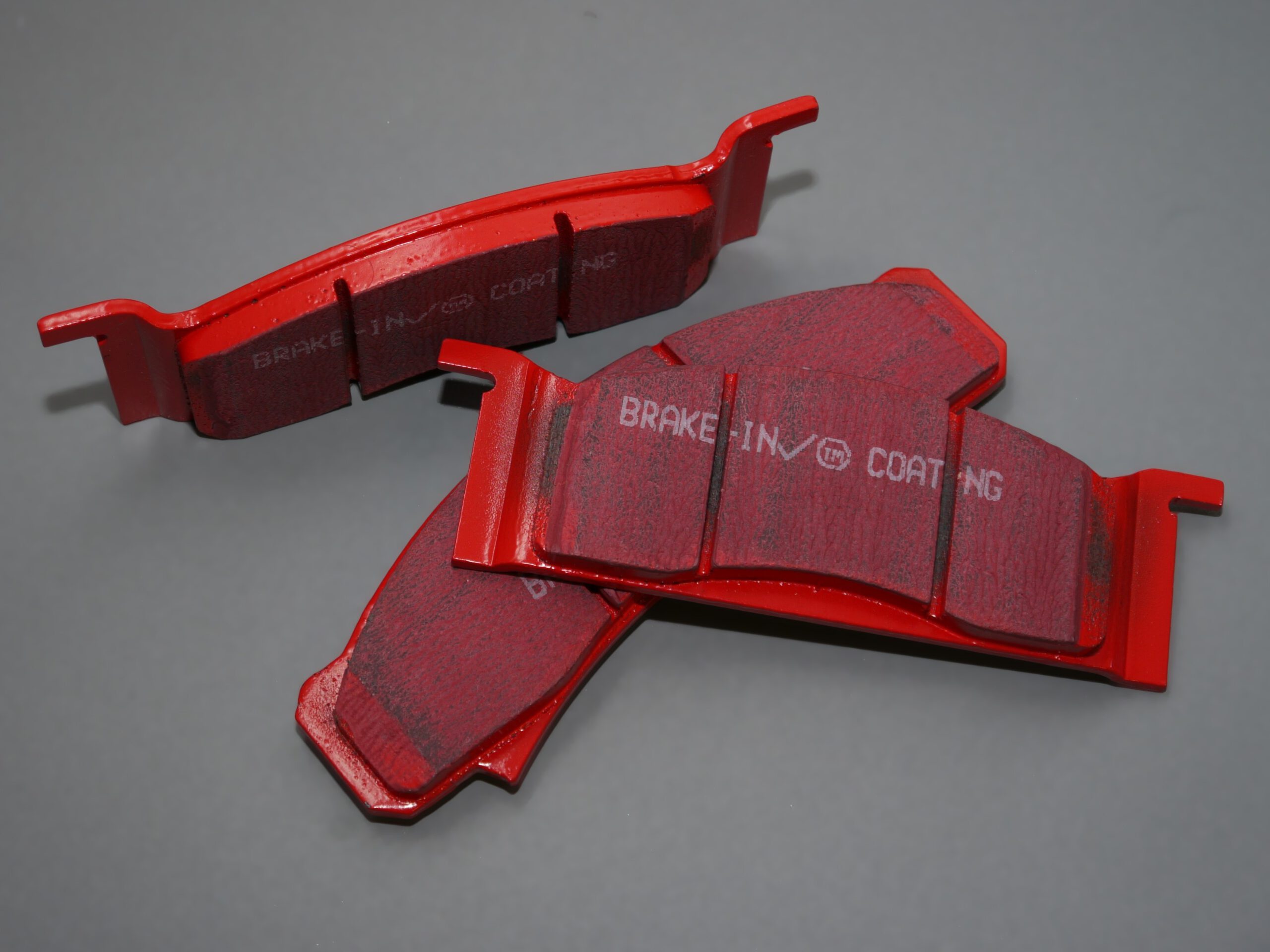
Somewhere between Reddit threads and RockAuto reviews, a persistent myth took hold: ceramic brake pads die 30% faster than semi-metallics. Pure nonsense. According to actual 2025 testing data from Frenobrake and other industry sources, ceramic pads consistently outlast semi-metallic alternatives by 23-50% in daily driving conditions. Your ceramic pads will cruise past 60,000 miles while semi-metallics tap out around 40,000-50,000. That “shorter life” claim? Someone mixed up their spreadsheets.
The math works like TikTok’s algorithm—backwards from reality. Ceramics use ceramic fibers and alumina compounds that wear slower and gentler on rotors. Semi-metallics pack steel and iron fibers that grip harder but chew through material faster. Physics doesn’t lie, even when internet forums do.
When Each Type Actually Dominates Your Driving
Ceramics crush commuting while semi-metallics excel under extreme conditions.
Ceramics rule the grocery store parking lot game. Low dust, whisper-quiet operation, and minimal rotor wear make them perfect for your Honda Civic’s daily grind. They’ll keep your wheels clean and your ears happy during stop-and-go traffic torture.
But hook up a boat trailer or attack mountain passes regularly? Semi-metallics deliver superior bite and fade resistance when temperatures climb. Their metal composition handles heat better than ceramics, which can lose grip under extreme loads.
The “Quiet Ceramic” Marketing Trap
Mismatched pads cause squealing regardless of material promises.
Dealers love pushing “quiet ceramics” for clean wheels and peaceful mornings. Fair enough—ceramics do produce less dust and noise. But that 60% driver preference for “quiet” options often backfires when pads don’t match rotor specifications.
Mismatched ceramics squeal just as obnoxiously after 20,000 miles, turning your smooth operator into a school bus orchestra. The silence depends more on proper pad-to-rotor compatibility than ceramic fairy dust.
Your Wallet’s Real Enemy
Higher upfront costs deliver better long-term value despite dealer markup fears.
Yes, ceramics cost $100+ per set versus cheaper semi-metallics. But that sticker shock masks superior cost-per-mile performance. Lasting 50% longer while preserving rotors translates to fewer replacements and lower total ownership costs.
The real wallet drain comes from choosing wrong, not choosing expensive. Skip the dealer’s $400 markup anxiety—buy direct from JEGS or similar retailers and install matched components. Your bank account will thank you in 60,000 miles.