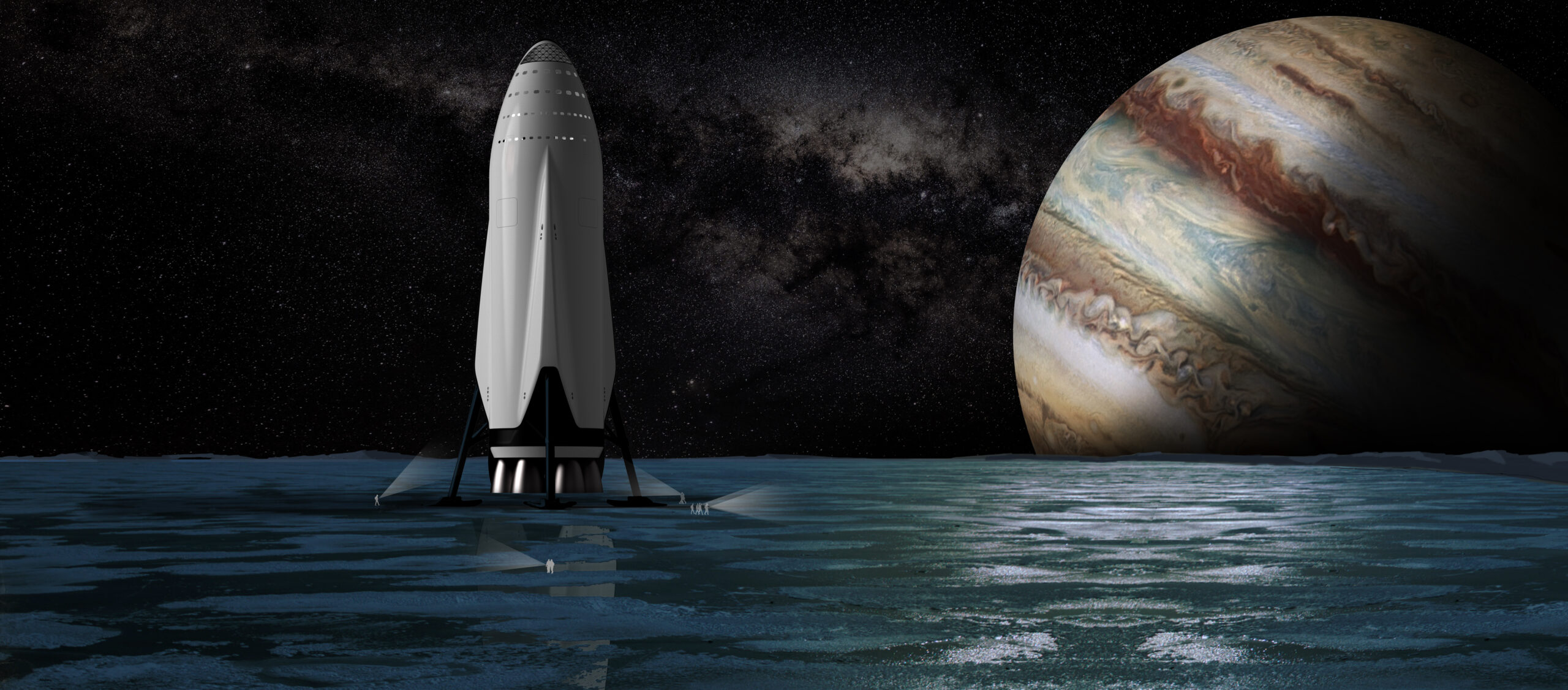
The ultimate tech rivalry just shifted gears. Elon Musk’s bombshell announcement about building a “self-growing Moon city” in under 10 years isn’t just another social media post—it’s a strategic pivot that completely rewrites the space race playbook. While Blue Origin’s Jeff Bezos has been steadily plotting lunar dominance for years, Musk just crashed the party with Starship’s massive payload capacity and his trademark impatience.
The Great Pivot Changes Everything
Mars colonization suddenly feels so 2023. Musk’s decision to prioritize Moon infrastructure over his beloved red planet reflects cold business reality—Mars has those inconvenient 26-month transfer windows, while the Moon sits just three days away. This shift aligns perfectly with NASA’s 2027-2028 Artemis landing goals and SpaceX’s planned 2026 IPO. Your future satellite internet costs might depend on which billionaire builds the better lunar launchpad first.
David vs. Goliath, Space Edition
Picture the classic tortoise and hare fable, but with 50-meter rockets. SpaceX’s Starship HLS promises to haul 150 tons of cargo per trip—enough to build entire lunar factories in a few missions. Meanwhile, Blue Origin’s Blue Moon landers focus on reliability over raw power, with their Mk1 variant potentially landing by 2026 and the crew-rated Mk2 securing a $3.4 billion NASA contract. Bezos even posted a tortoise image after Musk’s announcement, leaning into the metaphor both companies now embrace.
The Numbers Tell the Story
SpaceX completed 165 launches last year while Blue Origin has managed a fraction since 2000. Yet that tortoise strategy might pay off—Blue Origin suspended New Shepard operations to focus entirely on lunar priorities. Both companies are pitching NASA on acceleration proposals as China’s advancing space timeline creates urgency. The winner likely determines whether your future lunar-based AI data centers run on SpaceX or Blue Origin infrastructure.
Your Tech Future Hangs in the Balance
This isn’t just billionaire bragging rights—it’s about who controls the ultimate high ground for your digital life. Lunar-based manufacturing could slash satellite deployment costs, while space-based data centers offer unprecedented computing power without earthbound energy constraints. NASA Administrator Jared Isaacman noted that “capabilities by SpaceX and Blue Origin” remain “essential for Moon landing” success. The real question isn’t whether humans return to the Moon, but which tech ecosystem gets there first.